1. Specifications Comparison
| Feature | Category | Nothing Phone (2) | Google Pixel 9 | Practical Impact |
|---|---|---|---|---|
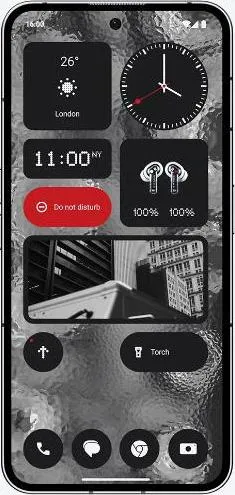
| Dimensions | Design | 162.1 x 76.4 x 8.6 mm | 152.8 x 72 x 8.5 mm | Pixel 9 is noticeably smaller and slightly thinner, making it easier for one-handed use and pocket portability. |
| Weight | Design | 201.2 g | 198 g | The weight difference is negligible in real-world usage. |
| Display Size | Display | 6.7" | 6.3" | Nothing Phone (2) offers a larger screen for more immersive media consumption, while Pixel 9's smaller size improves one-handed usability. |
| Display Type | Display | LTPO OLED, 1B colors, 120Hz, HDR10+ | OLED, 120Hz, HDR10+ | Both offer smooth scrolling and vivid colors. The LTPO display on the Nothing Phone (2) allows for more granular refresh rate control potentially saving battery. We lack information on color depth for the Pixel 9 to compare color accuracy. |
| Peak Brightness | Display | 1600 nits | 2700 nits | Pixel 9's significantly higher peak brightness ensures better visibility in direct sunlight. |
| Resolution | Display | 1080 x 2412 | 1080 x 2424 | Virtually identical resolutions; sharpness will be indistinguishable to the naked eye on both devices. |
| PPI Density | Display | 394 | 422 | Pixel 9 has a slightly sharper display due to the smaller size and higher resolution, though the difference is minimal in practical use. |
| Chipset | Performance | Snapdragon 8+ Gen 1 | Google Tensor G4 | While both are powerful, Snapdragon 8+ Gen 1 generally benchmarks higher in raw performance. Tensor G4 prioritizes AI and machine learning tasks, potentially offering a smoother user experience and specialized features. |
| CPU | Performance | Octa-core (1x3.0 GHz Cortex-X2 & 3x2.5 GHz Cortex-A710 & 4x1.80 GHz Cortex-A510) | Octa-core (1x3.1 GHz Cortex-X4 & 3x2.6 GHz Cortex-A720 & 4x1.92 GHz Cortex-A520) | Pixel 9 boasts a newer CPU architecture with potentially improved performance and efficiency. Real-world difference will depend on optimization. |
| GPU | Performance | Adreno 730 | Mali-G715 MC7 | Adreno 730 generally offers stronger gaming performance. However, Mali-G715 MC7 might be better optimized for specific tasks on the Pixel 9. |
| RAM | Performance | 12GB | 12GB | Both phones have ample RAM for multitasking and smooth performance. |
| Storage | Performance | 256GB/512GB | 256GB | Nothing Phone (2) offers a 512GB option for users needing more storage space. |
| Battery Capacity | Battery | 4700 mAh | 4700 mAh | Identical battery capacities; real-world battery life will depend on software optimization and user behavior. |
| OS | Software | Android 13 | Android 14 | Pixel 9 launches with the latest Android version, offering newer features and longer software support. |
| Video Capabilities | Camera | Up to 4K@60fps | Up to 4K@60fps, 1080p@240fps | Both offer excellent video recording capabilities. Pixel 9 adds higher frame rate slow-motion recording at 1080p. More detailed camera specifications (sensor size, aperture) are needed for a comprehensive comparison. |
2. Key Differences Analysis
Nothing Phone (2) Advantages:
- Larger Display: More immersive for media consumption.
- Storage Options: Offers a 512GB variant for users needing more space.
- Potentially Better Gaming Performance: Due to the Adreno 730 GPU.
Google Pixel 9 Advantages:
- More Compact Form Factor: Easier for one-handed use and pocketability.
- Brighter Display: Superior outdoor visibility.
- Newer CPU Architecture: Potential for better performance and efficiency.
- Latest Android Version: Access to new features and longer software updates.
- More Comprehensive Slow-Motion Video: Captures smoother slow-motion footage.
3. User Profiles & Recommendations
Nothing Phone (2): Ideal for users who prioritize a large display for media consumption, gaming, and multitasking. The 512GB storage option caters to those who store a lot of media or files.
Google Pixel 9: Suited for users who prefer a compact and easily manageable phone with a bright display for outdoor use. The focus on AI-powered features and guaranteed software updates makes it a good choice for those who value a smooth, up-to-date experience.
4. Decision Framework
Key Questions for Buyers:
- Do you prioritize a large screen for media or a compact phone for one-handed use?
- How important is having the latest Android features and long-term software updates?
- Is raw performance for gaming crucial, or do you value a smooth, AI-enhanced user experience more?
My Choice: Google Pixel 9
While the Nothing Phone (2) has a larger display and more storage options, the Pixel 9's compact form factor, significantly brighter display, newer CPU architecture, latest Android version with longer support, and superior slow-motion video capabilities make it a more compelling overall package for me. I prioritize a phone that is easy to handle, performs well in various conditions (especially outdoors), and receives timely software updates. The Pixel's emphasis on AI and software experience aligns more with my personal preferences. While benchmark numbers favor the Snapdragon 8+ Gen 1, Google's Tensor G4 is no slouch and its focus on AI and ML for a smoother and more intuitive user experience appeals to me more.
