1. Specifications Comparison
| Feature | Category | Nothing Phone (2) | Google Pixel 8a | Practical Impact |
|---|---|---|---|---|
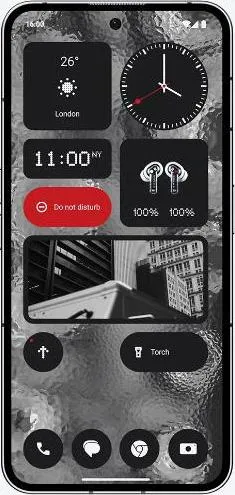
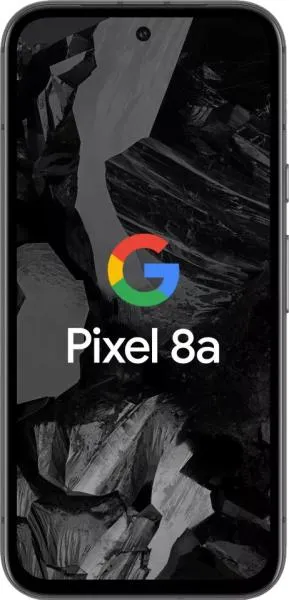
| Dimensions | Design | 162.1 x 76.4 x 8.6 mm | 152.1 x 72.7 x 8.9 mm | Pixel 8a is noticeably smaller and might be more comfortable for one-handed use. |
| Weight | Design | 201.2 g | 188 g | Pixel 8a is lighter, reducing hand fatigue during extended use. |
| Build | Design | Glass front/back, aluminum frame | Missing Information | Build material impacts durability and premium feel. We can't compare without Pixel 8a's build details. |
| Display Size | Display | 6.7" | 6.1" | Nothing Phone (2) offers a larger screen for more immersive media consumption. |
| Display Type | Display | LTPO OLED, 1B colors, 120Hz, HDR10+ | OLED, HDR, 120Hz | Both offer smooth scrolling and vibrant colors. LTPO on Nothing Phone (2) allows for more granular refresh rate control, potentially saving battery. |
| Peak Brightness | Display | 1600 nits (typical), 1600nits (peak) | 2000 nits (peak) | Pixel 8a's higher peak brightness ensures better visibility in direct sunlight. |
| Resolution | Display | 1080 x 2412 | 1080 x 2400 | Virtually identical pixel density, resulting in similar sharpness. |
| Chipset | Performance | Snapdragon 8+ Gen 1 | Google Tensor G3 | Both are high-end chipsets, but Tensor G3 is newer and likely optimized for AI and machine learning tasks. Snapdragon 8+ Gen 1 is generally known for strong overall performance. |
| CPU | Performance | Octa-core (1x3.0 GHz Cortex-X2 & 3x2.5 GHz Cortex-A710 & 4x1.80 GHz Cortex-A510) | Nona-core (1x3.0 GHz Cortex-X3 & 4x2.45 GHz Cortex-A715 & 4x2.15 GHz Cortex-A510) | Tensor G3 features a newer Cortex-X3 core, potentially offering a slight performance advantage in demanding tasks. |
| GPU | Performance | Adreno 730 | Immortalis-G715s MC10 | Difficult to compare without benchmarks. Both should handle demanding games, but real-world performance might vary. |
| RAM | Performance | 12GB | 8GB | Nothing Phone (2) having more RAM can improve multitasking and reduce app closures in the background. |
| Storage | Performance | 256/512GB | 256GB | Nothing Phone (2) offers a 512GB option for users needing more storage. |
| Main Camera | Camera | Missing Information | Missing Information | Camera performance cannot be compared without sensor details, aperture, and other specifications. |
| Video Capabilities | Camera | Up to 4K@60fps with OIS/EIS | Up to 4K@60fps with OIS, up to 1080p@240fps with OIS | Pixel 8a offers higher slow-motion video recording capabilities. |
| Battery Capacity | Battery | 4700 mAh | 4492 mAh | Nothing Phone (2) has a slightly larger battery, but real-world battery life depends on optimization and usage patterns. |
| OS | Software | Android 13 | Android 14 | Pixel 8a ships with the newer Android version and will likely receive longer software updates directly from Google. |
2. Key Differences Analysis
Nothing Phone (2) Advantages:
- Larger Display: More immersive for media consumption and gaming.
- More RAM: Better multitasking and performance.
- Potentially Longer Battery Life: Larger battery capacity.
- More Storage Options: Up to 512GB available.
Google Pixel 8a Advantages:
- Smaller and Lighter: Easier to handle and carry.
- Newer Chipset & OS: Potential performance and AI advantages, longer software support.
- Brighter Display: Better outdoor visibility.
- Superior Slow-Motion Video: More creative options for video recording.
Trade-offs:
- Size and Weight: Larger screen of Nothing Phone (2) comes at the cost of portability.
- Performance vs. AI: Snapdragon 8+ Gen 1 might offer better general performance, while Tensor G3 excels in AI tasks.
- Battery Life vs. Software Updates: While Nothing Phone (2) has a slightly larger battery, Pixel 8a benefits from newer, more power-efficient software and longer update support.
3. User Profiles & Recommendations
Nothing Phone (2): Users who prioritize a large, immersive display, strong performance, and more RAM for multitasking. Suitable for media consumption, gaming, and demanding applications.
Google Pixel 8a: Users who prefer a compact, lightweight phone with the latest Android features, long software support, and excellent camera capabilities (assuming Pixel's traditional camera strength). Suitable for everyday use, photography, and AI-powered applications.
4. Decision Framework
Key Questions for Buyers:
- What screen size do you prefer? Larger screen for media or smaller for one-handed use?
- How important is software update longevity? Pixel phones typically receive longer support.
- Do you prioritize raw performance or AI capabilities? Consider your typical usage patterns.
Scenario-Based Recommendations:
- Heavy Media Consumer: Nothing Phone (2) for its larger display.
- Frequent Traveler: Pixel 8a for its portability and potentially longer battery life.
- Photography Enthusiast: Pixel 8a (assuming Pixel's traditional camera strength).
- Latest Technology Seeker: Pixel 8a for its newer chipset and OS.
My Choice: Google Pixel 8a
While the Nothing Phone (2) offers a compelling package with its large display and strong performance, I would choose the Google Pixel 8a. The deciding factors for me are:
- Software Updates: Google's commitment to long-term software updates ensures security and access to the latest features for a longer period. This is crucial for long-term device satisfaction.
- Compact Form Factor: I prefer a smaller, lighter phone that is easier to handle and carry.
- Newer Chipset and AI Focus: The Tensor G3, while potentially not as strong in raw benchmarks as the Snapdragon 8+ Gen 1, is likely optimized for AI tasks which are becoming increasingly important in the mobile experience. The newer Cortex-X3 core should also provide ample performance for demanding applications.
- Expected Camera Performance: Pixel phones have a consistently strong reputation for camera quality. Assuming the Pixel 8a follows this trend, it likely outperforms the Nothing Phone (2) in photography, especially considering the superior slow-motion video capabilities.
While the larger battery and extra RAM of the Nothing Phone (2) are tempting, the long-term benefits of software updates, the compact form factor, and the potential camera advantage of the Pixel 8a outweigh those benefits for my personal needs and preferences.
