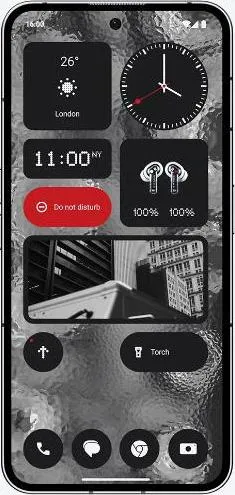
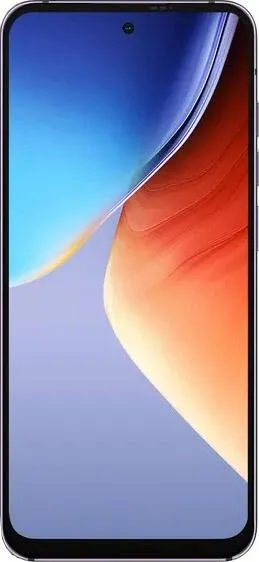
1. Specifications Comparison
| Feature | Nothing Phone (2) | Blackview A96 | Practical Impact |
|---|---|---|---|
| Design | |||
| Dimensions | 162.1 x 76.4 x 8.6 mm | 161.8 x 74.2 x 8.6 mm | Virtually identical in size and thickness. |
| Weight | 201.2 g | 193.9g | Blackview A96 is slightly lighter, but the difference (7.3g) is negligible in real-world usage. |
| Build Materials | Glass front (Gorilla Glass), aluminum frame | Not specified | Durability and premium feel may differ, but without Blackview's material specs, a direct comparison is impossible. |
| Fingerprint | Under display | Side-mounted | Personal preference; under-display is often perceived as more modern, side-mounted can be quicker to access in some situations. |
| Display | |||
| Type | LTPO OLED, 1B colors, 120Hz, HDR10+ | IPS LCD, 120Hz | Nothing Phone (2) offers significantly better contrast, color accuracy, and power efficiency due to OLED technology. |
| Size | 6.7 inches | 6.5 inches | Negligible difference in screen real estate. |
| Resolution | 1080 x 2412 pixels | 1080 x 2400 pixels | Virtually identical pixel density, resulting in similar sharpness. |
| Peak Brightness | 1600 nits | Not specified | Nothing Phone (2) will be significantly brighter and more readable in direct sunlight. This is a major advantage. |
| Performance | |||
| Chipset | Snapdragon 8+ Gen 1 (4 nm) | MediaTek Helio G99 (6 nm) | Significant performance difference. Nothing Phone (2) will handle demanding tasks and gaming much better. |
| CPU | Octa-core (1x3.0 GHz Cortex-X2 & ...) | Octa-core (2x2.2 GHz & ...) | Snapdragon 8+ Gen 1 provides significantly faster processing speeds. |
| GPU | Adreno 730 | Mali-G57 MC2 | Adreno 730 is considerably more powerful, resulting in superior gaming and graphics performance. |
| RAM | 12GB | 8GB or 12GB depending on the variant | More RAM can improve multitasking but the impact depends on the user's workflow. |
| Storage | 256GB, 512GB | 256GB | Nothing Phone (2) offers a 512GB option for users needing more storage. |
| Camera | |||
| Video Capabilities | 4K@30/60fps (HDR, OIS, EIS), 1080p@30/60fps... | 1440p@30fps, 1080p@30fps | Nothing Phone (2) offers more versatile video recording options with higher resolution, frame rates, and stabilization. |
| Battery | |||
| Capacity | 4700 mAh | 4380 mAh | Slightly larger battery in the Nothing Phone (2), but real-world battery life depends on various factors including the display. |
2. Key Differences Analysis
Nothing Phone (2) Advantages:
- Superior Display: OLED with HDR10+ and significantly higher peak brightness delivers vibrant colors, deeper blacks, and excellent outdoor visibility.
- Flagship Performance: Snapdragon 8+ Gen 1 provides a significant performance advantage for demanding tasks and gaming.
- More Versatile Camera: Offers higher resolution and frame rate video recording options with OIS and EIS.
Blackview A96 Advantages:
- Potentially Lower Price: While both are in the "medium price" range, the Blackview A96 might be more budget-friendly. Specific pricing is needed for a definitive comparison.
- Slightly Lighter: The weight difference is minimal but might be a factor for some users.
3. User Profiles & Recommendations
Nothing Phone (2): Ideal for users who prioritize performance, a premium display, and a versatile camera. Suitable for demanding tasks, gaming, and content consumption.
Blackview A96: Suitable for users on a tighter budget who prioritize basic smartphone functionality and don't require top-tier performance or display quality. Best for everyday tasks like calling, texting, browsing, and light media consumption.
4. Decision Framework
Key Questions:
- What is your budget? The Blackview A96 is likely more affordable.
- What are your performance needs? For demanding tasks and gaming, the Nothing Phone (2) is significantly better.
- How important is display quality? The Nothing Phone (2)'s OLED display is far superior.
My Choice: Nothing Phone (2)
While lacking specific pricing information, the Nothing Phone (2) is the clear winner for me. The significantly superior display, vastly improved performance offered by the Snapdragon 8+ Gen 1, more versatile camera, and larger battery are compelling advantages. Even if the Blackview A96 is cheaper, the difference in core experience would be substantial. The improved brightness alone would make a huge difference in daily usability outdoors. The performance gap between the Snapdragon 8+ Gen 1 and the Helio G99 is vast, making the Nothing Phone (2) a much more future-proof device. The Blackview A96 might be a decent budget option, but the Nothing Phone (2) provides a significantly better overall user experience.
