1. Specifications Comparison
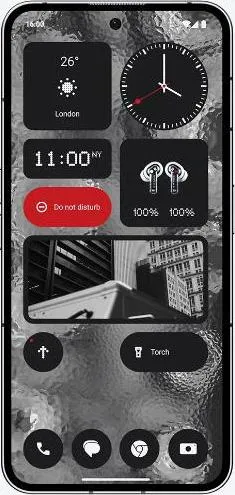
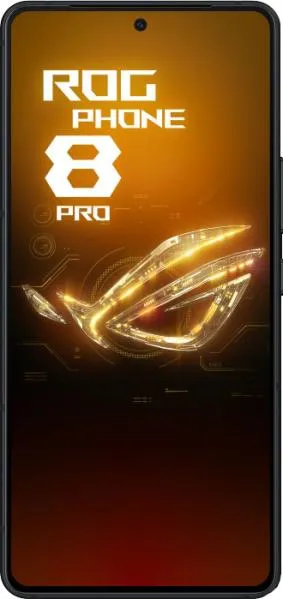
| Feature | Nothing Phone (2) | Asus ROG Phone 8 Pro | Practical Impact |
|---|---|---|---|
| Design | |||
| Dimensions | 162.1 x 76.4 x 8.6 mm | 163.8 x 76.8 x 8.9 mm | ROG Phone 8 Pro is slightly larger and thicker. |
| Weight | 201.2 g | 225 g | ROG Phone 8 Pro is noticeably heavier. Can impact one-handed use and portability. |
| Display | |||
| Size | 6.7" | 6.78" | Negligible difference in screen real estate. |
| Type | LTPO OLED | LTPO AMOLED | Both offer high-quality displays with similar benefits like power efficiency and deep blacks. |
| Refresh Rate | 120Hz | 165Hz | ROG Phone 8 Pro offers smoother scrolling and animations, especially beneficial for gaming. |
| Peak Brightness | 1600 nits | 2500 nits | ROG Phone 8 Pro provides superior outdoor visibility in direct sunlight. |
| Resolution | 1080 x 2412 | 1080 x 2400 | Virtually identical pixel density, resulting in similar sharpness. |
| Performance | |||
| Chipset | Snapdragon 8+ Gen 1 | Snapdragon 8 Gen 3 | ROG Phone 8 Pro features a newer, more powerful chip, resulting in significant performance gains in demanding tasks and gaming. |
| CPU | Octa-core (1x3.0 GHz Cortex-X2 & 3x2.5 GHz Cortex-A710 & 4x1.80 GHz Cortex-A510) | Octa-core (1x3.3 GHz Cortex-X4 & 3x3.2 GHz Cortex-A720 & 2x3.0 GHz Cortex-A720 & 2x2.3 GHz Cortex-A520) | ROG Phone 8 Pro's CPU offers faster clock speeds and architectural improvements for significant performance improvements. |
| GPU | Adreno 730 | Adreno 750 | ROG Phone 8 Pro boasts a more powerful GPU, leading to significantly improved graphics performance in games and other graphically intensive applications. |
| RAM | 12GB | 24GB | ROG Phone 8 Pro offers double the RAM, enabling superior multitasking and smoother performance with memory-intensive applications and games. |
| Storage | 256GB/512GB | 1000GB | ROG Phone 8 Pro offers significantly more storage for large files, apps, and games. |
| Battery | |||
| Capacity | 4700 mAh | 5500 mAh | ROG Phone 8 Pro likely offers longer battery life due to the larger capacity. |
| Camera | |||
| Video Capabilities | Up to 4K@60fps | Up to 8K@24fps and slow-motion up to 480fps | ROG Phone 8 Pro offers higher resolution video recording and more advanced slow-motion capabilities. No information on still image capabilities for comparison. |
2. Key Differences Analysis
Nothing Phone (2) Advantages:
- Lighter and more compact: Easier for one-handed use and carrying.
- Potentially lower price: "Medium price range" may indicate a more affordable option compared to the ROG Phone 8 Pro.
Asus ROG Phone 8 Pro Advantages:
- Significantly more powerful: Superior CPU, GPU, and RAM for demanding tasks and gaming.
- Higher refresh rate display: Smoother visuals, especially noticeable in gaming.
- Brighter display: Better outdoor visibility.
- Larger battery: Potentially longer battery life.
- More storage: Ample space for apps, games, and files.
- More advanced video recording capabilities: Higher resolution and frame rates.
Trade-offs:
- The ROG Phone 8 Pro's superior performance and features come at the cost of increased size, weight, and likely a higher price.
3. User Profiles & Recommendations
Nothing Phone (2): Users who prioritize a lighter, more compact phone with good overall performance and a clean Android experience. Suitable for everyday tasks, social media, and moderate gaming.
Asus ROG Phone 8 Pro: Power users and mobile gamers who demand the highest performance, a top-tier display, and ample storage. Ideal for heavy gaming, content creation, and multitasking.
4. Decision Framework
Key Questions for Buyers:
- What is your budget? The ROG Phone 8 Pro likely commands a higher price.
- What are your primary use cases? Gaming, content creation, or everyday tasks?
- Do you prioritize portability and one-handed use? The Nothing Phone (2) is lighter and more compact.
Scenario-Based Recommendations:
- Casual User: Nothing Phone (2) offers a good balance of performance and portability.
- Hardcore Gamer: ROG Phone 8 Pro provides the ultimate mobile gaming experience.
- Power User: ROG Phone 8 Pro is ideal for demanding tasks and multitasking.
My Choice: Asus ROG Phone 8 Pro
While the Nothing Phone (2) is a compelling option for everyday users, I would choose the Asus ROG Phone 8 Pro. The significant performance advantages offered by the Snapdragon 8 Gen 3, coupled with the higher refresh rate display, larger battery, and vast storage, make it a clear winner for my needs. I prioritize performance and future-proofing, and the ROG Phone 8 Pro is better equipped for demanding tasks and gaming, which are important to me. The extra weight is a manageable trade-off for the significant power increase.
