1. Specifications Comparison
| Feature | Category | Nothing Phone (2) | Apple iPhone 16 Plus | Practical Impact |
|---|---|---|---|---|
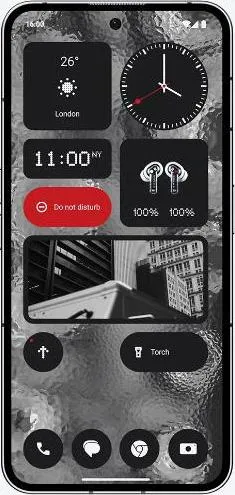
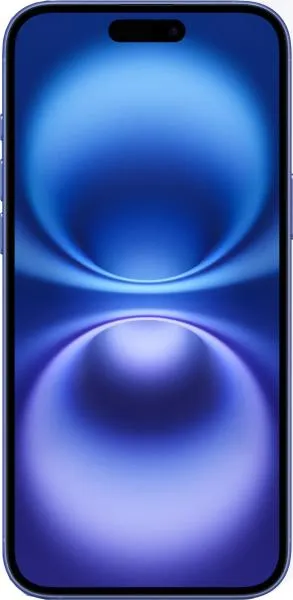
| Dimensions | Design | 162.1 x 76.4 x 8.6 mm | 160.9 x 77.8 x 7.8 mm | iPhone 16 Plus is slightly shorter, narrower, and thinner, potentially making it more pocketable. |
| Weight | Design | 201.2 g | 199 g | Negligible weight difference in practical use. |
| Build Materials | Design | Missing information prevents comparison. | ||
| Display Type | Display | LTPO OLED | Super Retina XDR OLED | Both are high-quality OLED displays with excellent color accuracy and contrast. LTPO allows for dynamic refresh rate adjustment, potentially saving battery on the Nothing Phone (2). |
| Display Size | Display | 6.7" | 6.7" | Identical screen sizes offer the same media consumption experience. |
| Resolution | Display | 1080 x 2412 | 1290 x 2796 | The iPhone 16 Plus boasts a sharper display with higher pixel density (460 ppi vs 394 ppi), resulting in crisper text and images. |
| Refresh Rate | Display | 120Hz | Not specified | 120Hz on the Nothing Phone (2) delivers smoother animations and scrolling compared to a standard 60Hz display (assuming iPhone 16 Plus is 60Hz). A higher refresh rate on the iPhone, if present, would equalize this. |
| Peak Brightness | Display | 1600 nits | 2000 nits (HBM) | The iPhone 16 Plus can achieve higher peak brightness, improving outdoor visibility in direct sunlight. |
| Chipset | Performance | Snapdragon 8+ Gen 1 | Apple A18 | Both are flagship chipsets from their respective release years, promising excellent performance. A18, being newer, is likely more powerful and efficient. |
| CPU | Performance | Octa-core (1x3.0 GHz Cortex-X2 & 3x2.5 GHz Cortex-A710 & 4x1.80 GHz Cortex-A510) | Hexa-core (2x4.04 GHz + 4x2.20 GHz) | Core configuration differences are less relevant for practical user experience than overall chipset performance benchmarks, which are missing. |
| GPU | Performance | Adreno 730 | Apple GPU (5-core graphics) | Similar to CPU, real-world gaming and graphics performance depend on benchmarks and optimization, not solely on core count. |
| RAM | Performance | 12GB | 8GB | 12GB RAM on the Nothing Phone (2) could offer better multitasking and app switching performance, but iOS optimization might mitigate this advantage for the iPhone 16 Plus. |
| Storage | Performance | 256GB, 512GB | 256GB, 512GB | Both offer similar storage options. |
| Battery Capacity | Battery | 4700 mAh | 4674 mAh | Negligible difference in battery capacity. Real-world battery life depends on software optimization and usage patterns. |
| Operating System | Software | Android 13 | iOS 18 | OS preference is subjective. Android offers more customization, while iOS is known for its simplicity and tighter ecosystem. |
| Main Camera | Camera | Missing Information | Missing Information | Cannot compare camera quality without sensor details, aperture, and other specifications. |
| Video Capabilities | Camera | Up to 4K@60fps | Up to 4K@60fps, 1080p@240fps | iPhone offers more frame rate options, including 1080p slow motion at 240fps. |
2. Key Differences Analysis
Nothing Phone (2) Advantages:
- 120Hz Display: Smoother scrolling and animations.
- Potentially Longer Battery Life: LTPO display and slightly larger battery capacity.
- More RAM: Potentially better multitasking. More open and customizable operating system.
iPhone 16 Plus Advantages:
- Sharper Display: Higher resolution and pixel density.
- Brighter Display: Better outdoor visibility.
- Newer, More Powerful Chipset: Likely better performance and efficiency. More video recording options. Generally considered to have better longevity of software updates.
3. User Profiles & Recommendations
Nothing Phone (2): Users who prioritize a smooth display, value customization in Android, and are sensitive to price differences.
iPhone 16 Plus: Users prioritizing performance, a vibrant and sharp display, prefer the Apple ecosystem, and value consistent software updates.
4. Decision Framework
Key Questions:
- Which operating system do you prefer? Android or iOS?
- Is display sharpness and brightness a top priority?
- How important is long-term software support and consistent updates?
Scenario-Based Recommendations:
- Power User: iPhone 16 Plus for its expected performance advantage.
- Media Consumer: iPhone 16 Plus for its superior display.
- Budget-Conscious User: Nothing Phone (2) as it likely will be more affordable.
My Choice: iPhone 16 Plus
While the Nothing Phone (2) offers a compelling package with its 120Hz display and potentially longer battery life, the iPhone 16 Plus's sharper and brighter display, newer and likely more powerful processor (A18), and the promise of longer-term software updates from Apple make it the more compelling choice for me. The slightly improved form factor is a bonus. I prioritize performance, display quality, and software updates, and I am willing to pay a premium for those features. The difference in RAM is less of a concern given Apple's history of software optimization. However, a full comparison would necessitate benchmarks and real-world battery life tests to solidify this choice.
