1. Specifications Comparison
| Feature | Category | Nothing Phone (2) | Apple iPhone 16 | Practical Impact |
|---|---|---|---|---|
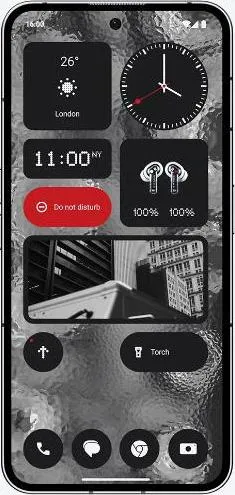
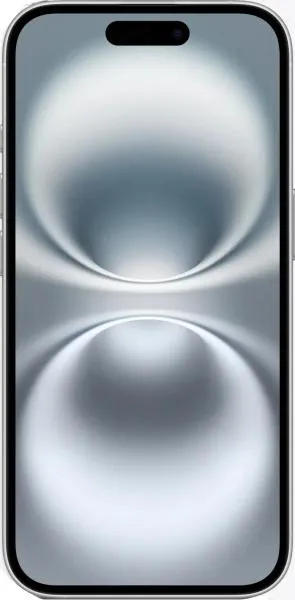
| Dimensions | Design | 162.1 x 76.4 x 8.6 mm | 147.6 x 71.6 x 7.8 mm | iPhone 16 is noticeably smaller and thinner, making it more pocketable and easier to handle for one-handed use. |
| Weight | Design | 201.2 g | 170 g | The iPhone 16 is significantly lighter, reducing hand fatigue during extended use. |
| Display Size | Display | 6.7 inches | 6.1 inches | Nothing Phone (2) offers a larger screen for more immersive media consumption and multitasking, while the iPhone 16 prioritizes portability. |
| Display Type | Display | LTPO OLED | Super Retina XDR OLED | Both are high-quality OLED displays with excellent color accuracy and contrast. LTPO allows for dynamic refresh rate adjustment, potentially saving battery on the Nothing Phone (2). |
| Resolution | Display | 1080 x 2412 | 1179 x 2556 | iPhone 16 boasts a sharper display with higher pixel density (460 ppi vs 394 ppi), resulting in crisper text and images. |
| Refresh Rate | Display | 120Hz | Not specified | A 120Hz refresh rate on the Nothing Phone (2) provides smoother scrolling and animations compared to a standard 60Hz display (assuming iPhone 16 is 60Hz as not specified). |
| Peak Brightness | Display | 1600 nits | Not specified | While both likely offer excellent outdoor visibility, without the peak brightness for the iPhone 16 a direct comparison cannot be made. |
| Chipset | Performance | Snapdragon 8+ Gen 1 | Apple A18 | Both are flagship chipsets promising top-tier performance. Apple's A-series chips generally lead in benchmarks, but real-world performance differences might be subtle for average users. |
| CPU | Performance | Octa-core (1x3.0 GHz Cortex-X2 & 3x2.5 GHz Cortex-A710 & 4x1.80 GHz Cortex-A510) | Hexa-core (2x4.04 GHz + 4x2.20 GHz) | Core configuration differences are less relevant for practical usage. Both CPUs will handle demanding tasks efficiently. |
| RAM | Performance | 12GB | 8GB | While 12GB RAM might offer slightly better multitasking performance on the Nothing Phone (2), iOS's memory management often compensates for lower RAM capacities. |
| Battery Capacity | Battery | 4700 mAh | 3561 mAh | The Nothing Phone (2) has a significantly larger battery, likely translating to longer battery life. Real-world usage will vary depending on individual usage patterns. |
| OS | Software | Android 13 | iOS 18 | OS preference is subjective. Android offers more customization, while iOS is known for its simplicity and tighter ecosystem integration. |
| Video Capabilities | Camera | 4K@30/60fps (HDR, OIS, EIS), 1080p@30/60fps (HDR, OIS, EIS) | 4K@24/25/30/60fps (HDR), 1080p@25/30/60/120/240fps (HDR) | The iPhone 16 provides more frame rate options for video recording, including slow-motion capabilities at 1080p@240fps. Specific sensor and image processing details are needed for a comprehensive camera comparison. |
2. Key Differences Analysis
Nothing Phone (2) Advantages:
- Larger display for immersive content.
- Potentially longer battery life due to larger capacity and LTPO display.
- Higher RAM for robust multitasking.
- More customizable Android OS.
iPhone 16 Advantages:
- More compact and lightweight design.
- Sharper display with higher pixel density.
- Potentially superior processing power with the A18 chip.
- More video recording frame rate options.
- Seamless integration with the Apple ecosystem.
Trade-offs:
- Size and Battery: The Nothing Phone (2) prioritizes a large display and battery at the cost of portability. The iPhone 16 opts for a smaller, lighter form factor but potentially compromises battery life.
- OS: Android offers customization, while iOS prioritizes simplicity and ecosystem integration.
3. User Profiles & Recommendations
Nothing Phone (2): Ideal for users who prioritize a large screen for media consumption, gaming, and multitasking. Heavy users who need long battery life will also appreciate the larger battery capacity. Android enthusiasts who value customization will prefer the flexibility of the Nothing OS.
iPhone 16: Suitable for users who value a compact and lightweight phone for easy one-handed use and portability. Users invested in the Apple ecosystem will appreciate the seamless integration with other Apple devices. Those prioritizing a sharp display and potentially faster performance will lean towards the iPhone.
4. Decision Framework
Key Questions for Buyers:
- What screen size and portability balance do you prefer?
- How important is battery life to your daily usage?
- Which operating system (Android or iOS) aligns with your needs and preferences?
Scenario-Based Recommendations:
- Heavy media consumer: Nothing Phone (2) for its larger display and battery.
- One-handed use and portability: iPhone 16 for its compact design.
- Apple ecosystem user: iPhone 16 for seamless integration.
My Choice: iPhone 16
While the Nothing Phone (2) boasts a larger battery and display, I prioritize the compact form factor, lighter weight, and sharper display of the iPhone 16. The expected performance advantages of the A18 chip and the richer video recording capabilities further solidify my choice. As someone already invested in the Apple ecosystem, the seamless integration with other Apple devices is a significant benefit. While battery life is a concern, I'm willing to compromise for the overall superior user experience that the iPhone 16 promises, especially regarding portability and ease of use. The lack of specific brightness and refresh rate information for the iPhone 16 does introduce some uncertainty, but based on Apple's track record, I anticipate these aspects to be competitive.
