1. Specifications Comparison
| Feature | Category | Nothing Phone (2) | Apple iPhone 15 Pro | Practical Impact |
|---|---|---|---|---|
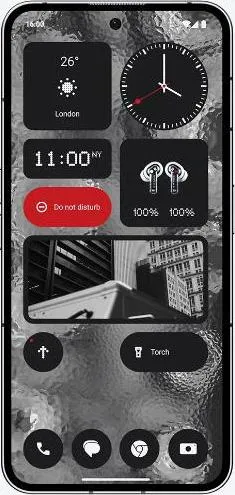
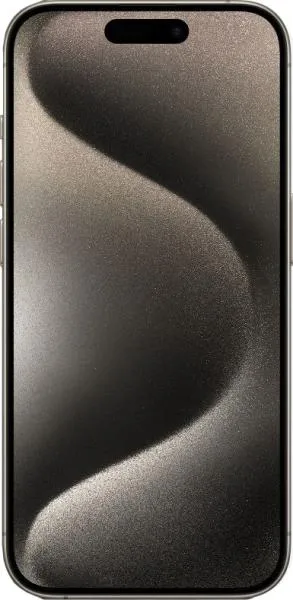
| Dimensions | Design | 162.1 x 76.4 x 8.6 mm | 146.6 x 70.6 x 8.3 mm | iPhone 15 Pro is noticeably smaller and might be more comfortable for one-handed use. |
| Weight | Design | 201.2 g | 187 g | iPhone 15 Pro is lighter, reducing hand fatigue during extended use. |
| Build | Design | Glass front & back, aluminum frame | Glass front, titanium frame | Titanium frame on the iPhone 15 Pro offers superior durability and scratch resistance. |
| Display Size | Display | 6.7" | 6.1" | Nothing Phone (2) offers a larger screen for more immersive content consumption. |
| Display Type | Display | LTPO OLED, 1B colors, 120Hz | LTPO Super Retina XDR OLED, 120Hz | Both offer excellent displays with smooth scrolling and vibrant colors. iPhone boasts Dolby Vision support for enhanced HDR content. |
| Resolution | Display | 1080 x 2412 | 1179 x 2556 | iPhone 15 Pro has a sharper display with higher pixel density (461 ppi vs 394 ppi). |
| Peak Brightness | Display | 1600 nits | 2000 nits (HBM) | iPhone 15 Pro can achieve higher peak brightness, improving outdoor visibility. |
| Chipset | Performance | Snapdragon 8+ Gen 1 (4 nm) | Apple A17 Pro (3 nm) | A17 Pro is expected to offer significantly better performance and efficiency due to its newer architecture and manufacturing process. |
| CPU | Performance | Octa-core (1x3.0 GHz Cortex-X2 & 3x2.5 GHz Cortex-A710 & 4x1.80 GHz Cortex-A510) | Hexa-core (2x3.78 GHz + 4x2.11 GHz) | Apple's custom core design often results in superior single-core and multi-core performance compared to Android counterparts. |
| GPU | Performance | Adreno 730 | Apple GPU (6-core) | Apple's GPUs are generally known for their strong performance in gaming and graphics-intensive tasks. Specific benchmarks are needed for a definitive comparison. |
| RAM | Performance | 12GB | 8GB | While Nothing Phone (2) has more RAM, iOS's memory management often allows it to perform efficiently with less RAM than Android. |
| Battery Capacity | Battery | 4700 mAh | 3274 mAh | Nothing Phone (2) has a significantly larger battery capacity, potentially leading to longer battery life. However, real-world usage will depend on optimization. |
| OS | Software | Android 13 | iOS 17 | OS preference is subjective. Android offers more customization, while iOS is known for its simplicity and tight integration. |
| USB | Connectivity | USB Type-C 2.0, OTG | USB Type-C 3.2 Gen 2, DisplayPort | iPhone 15 Pro offers faster data transfer speeds and DisplayPort functionality for connecting to external displays. |
2. Key Differences Analysis
Nothing Phone (2) Advantages:
- Larger Display: More immersive experience for media consumption.
- Larger Battery: Potentially longer battery life.
- Lower Price: Offers competitive features at a more affordable price point.
Apple iPhone 15 Pro Advantages:
- Superior Performance: A17 Pro chip offers significant performance gains.
- More Durable Build: Titanium frame provides better protection.
- Sharper Display: Higher resolution and peak brightness for a better visual experience.
- Faster Data Transfer: USB 3.2 Gen 2 enables quicker file transfers.
- Ecosystem Integration: Seamless integration with other Apple devices and services.
3. User Profiles & Recommendations
Nothing Phone (2): Ideal for users seeking a large display, long battery life, and a customizable Android experience at a mid-range price. Suitable for media consumption, gaming, and general everyday use.
Apple iPhone 15 Pro: Ideal for users who prioritize performance, premium build quality, a seamless user experience, and are invested in the Apple ecosystem. Best suited for demanding tasks, professional content creation, and users seeking the latest technology.
4. Decision Framework
Key Questions for Buyers:
- What is your budget? The iPhone 15 Pro commands a significantly higher price.
- What is your priority: performance or battery life? The iPhone 15 Pro excels in performance, while the Nothing Phone (2) likely offers longer battery life.
- Which operating system do you prefer? Android offers customization, while iOS prioritizes simplicity and a unified ecosystem.
My Choice: Apple iPhone 15 Pro
While the Nothing Phone (2) offers a compelling package for its price, the iPhone 15 Pro's superior performance, more durable build, brighter and sharper display, and faster data transfer capabilities make it the better choice for me. The A17 Pro chip's expected performance gains and the advantages of the iOS ecosystem are significant factors in my decision. I prioritize a smooth and responsive user experience, and the iPhone 15 Pro is more likely to deliver that in the long run. Although the higher price is a consideration, the overall package offered by the iPhone 15 Pro justifies the premium for my needs. The smaller battery is a slight concern, but I am willing to compromise on battery life for the significant performance and feature upgrades.
