1. Specifications Comparison
| Feature | Category | Nothing Phone (2) | Apple iPhone 15 Plus | Practical Impact |
|---|---|---|---|---|
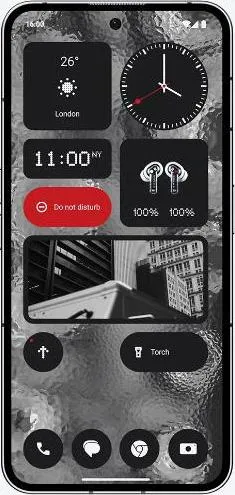
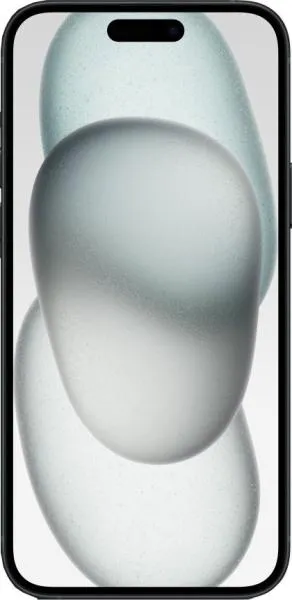
| Dimensions | Design | 162.1 x 76.4 x 8.6 mm | 160.9 x 77.8 x 7.8 mm | iPhone 15 Plus is slightly shorter, narrower, and thinner. Negligible difference in hand feel for most users. |
| Weight | Design | 201.2 g | 201 g | Virtually identical weight, no noticeable difference in usage. |
| Build | Design | Glass front & back, aluminum frame | Glass front, aluminum frame | No significant practical difference in durability or feel. Missing back material specification for iPhone. |
| Display Type | Display | LTPO OLED, 1B colors, 120Hz | Super Retina XDR OLED, HDR10, Dolby Vision | Both offer excellent displays with vibrant colors. LTPO allows for dynamic refresh rate adjustment on the Nothing Phone (2), potentially saving battery. |
| Display Size | Display | 6.7" | 6.7" | Identical screen sizes. |
| Resolution | Display | 1080 x 2412 | 1290 x 2796 | iPhone 15 Plus has a sharper display with higher pixel density (460 ppi vs 394 ppi), resulting in crisper text and images. |
| Refresh Rate | Display | 120Hz | Not specified | 120Hz provides smoother scrolling and animations on the Nothing Phone (2). Lack of information for iPhone prevents comparison. |
| Peak Brightness | Display | 1600 nits (HBM), 1600 nits (peak) | 1000 nits (HBM), 2000 nits (peak) | iPhone 15 Plus has a higher peak brightness, potentially improving outdoor visibility. |
| Chipset | Performance | Snapdragon 8+ Gen 1 | A16 Bionic | Both are high-performance chipsets, but A16 is generally considered more powerful and efficient. |
| CPU | Performance | Octa-core (1x3.0 GHz Cortex-X2 & 3x2.5 GHz Cortex-A710 & 4x1.80 GHz Cortex-A510) | Hexa-core (2x3.46 GHz Everest + 4x2.02 GHz Sawtooth) | Both offer top-tier CPU performance. Architectural differences make direct clock speed comparison less meaningful. |
| GPU | Performance | Adreno 730 | Apple GPU (5-core graphics) | Apple's GPU generally performs better in benchmarks and gaming. |
| RAM | Performance | 12GB | 6GB | Nothing Phone (2) has double the RAM. May improve multitasking and app switching performance. However, iOS RAM management differs from Android, making direct comparison less straightforward. |
| Battery Capacity | Battery | 4700 mAh | 4383 mAh | Nothing Phone (2) has a larger battery, potentially offering longer battery life. Real-world usage will depend on software optimization and user habits. |
| OS | Software | Android 13 | iOS 17 | Different operating systems cater to different user preferences. Android offers more customization, while iOS is known for its simplicity and tighter ecosystem. |
| Video Capabilities | Camera | 4K@30/60fps (HDR, OIS, EIS), 1080p@30/60fps (HDR, OIS, EIS) | 4K@24/25/30/60fps (HDR), 1080p@25/30/60/120/240fps (HDR) | iPhone offers a wider range of video recording options, including higher frame rates for slow-motion. Specific camera sensor details are missing for both, hindering a complete comparison. |
2. Key Differences Analysis
Nothing Phone (2) Advantages:
- Higher RAM: Potentially better multitasking.
- Larger Battery: Potential for longer battery life.
- 120Hz Display: Smoother scrolling and animations.
- More Affordable: Typically priced lower than the iPhone 15 Plus.
iPhone 15 Plus Advantages:
- More Powerful Chipset & GPU: Better overall performance, especially for demanding tasks and gaming.
- Sharper Display: Higher resolution for crisper visuals.
- Higher Peak Brightness: Enhanced outdoor visibility.
- More Video Recording Options: Broader range of frame rates and resolutions.
- Longer Software Support: Apple typically provides longer OS updates than Android manufacturers.
Trade-offs:
- Price vs. Performance: iPhone 15 Plus offers more performance but at a higher price.
- Customization vs. Simplicity: Android offers more customization options, while iOS prioritizes ease of use and a streamlined experience.
- Battery Life vs. Performance: While the Nothing Phone (2) has a larger battery, the A16 Bionic's efficiency could result in comparable or even better battery life in real-world usage.
3. User Profiles & Recommendations
Nothing Phone (2): Ideal for users who value affordability, a smooth display, customizable software, and potentially longer battery life. Strong contender for users who prioritize multitasking and value RAM.
iPhone 15 Plus: Best suited for users who demand top-tier performance, a sharp display with excellent brightness, and prioritize a seamless user experience within the Apple ecosystem. Excellent for users who value video recording capabilities and long-term software support.
4. Decision Framework
Key Questions for Buyers:
- Budget: How much are you willing to spend?
- Performance Needs: Do you require the absolute best performance for gaming or demanding tasks?
- Ecosystem Preference: Are you invested in the Apple or Google ecosystem?
Scenario-Based Recommendations:
- Gamer on a Budget: Nothing Phone (2) offers a good balance of performance and affordability.
- Power User: iPhone 15 Plus for its superior processing power.
- Casual User: Either phone would suffice, with the choice depending on budget and OS preference.
My Choice: Apple iPhone 15 Plus
While the Nothing Phone (2) offers a compelling package with its unique design and competitive specifications, I would choose the Apple iPhone 15 Plus. The A16 Bionic's superior performance and efficiency, combined with the sharper display and longer software support, are crucial factors for me. While the higher price is a consideration, the overall user experience and longevity offered by the iPhone 15 Plus make it the more compelling choice in my opinion. The broader range of video recording options and brighter display further solidify my preference. I prioritize long-term value and a smooth, powerful user experience, which the iPhone 15 Plus is more likely to deliver.
