1. Specifications Comparison
| Feature | Category | Nothing Phone (2) | Apple iPhone 15 | Practical Impact |
|---|---|---|---|---|
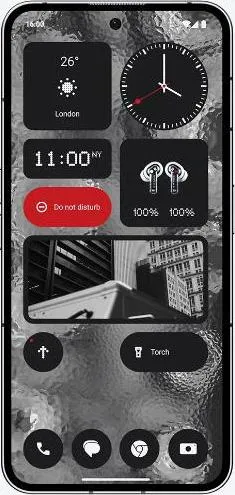
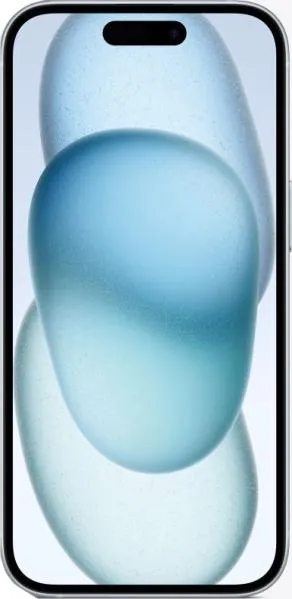
| Dimensions | Design | 162.1 x 76.4 x 8.6 mm | 147.6 x 71.6 x 7.8 mm | iPhone 15 is noticeably smaller and lighter, making it more pocketable and comfortable for one-handed use. |
| Weight | Design | 201.2 g | 171 g | Significant weight difference; iPhone 15 will feel less bulky. |
| Display Size | Display | 6.7" | 6.1" | Nothing Phone (2) offers a larger screen for more immersive content consumption, while the iPhone 15 is more compact. |
| Display Type | Display | LTPO OLED, 1B colors, 120Hz | Super Retina XDR OLED, HDR10, Dolby Vision | Both are high-quality OLED displays. LTPO on the Nothing Phone (2) allows for dynamic refresh rate adjustment, potentially saving battery. Dolby Vision support on iPhone 15 might offer slightly better HDR performance. |
| Resolution | Display | 1080 x 2412 | 1179 x 2556 | iPhone 15 has a sharper display due to higher pixel density (461 ppi vs 394 ppi). |
| Peak Brightness | Display | 1600 nits | 2000 nits | iPhone 15's higher peak brightness ensures better visibility in direct sunlight. |
| Refresh Rate | Display | 120Hz | Not specified | 120Hz on Nothing Phone (2) delivers smoother scrolling and animations. Lack of information on iPhone 15 refresh rate hinders comparison. |
| Chipset | Performance | Snapdragon 8+ Gen 1 | Apple A16 Bionic | Both are flagship-level chipsets from the previous generation, promising excellent performance. A16 generally benchmarks higher in raw performance. |
| CPU | Performance | Octa-core (1x3.0 GHz Cortex-X2 & 3x2.5 GHz Cortex-A710 & 4x1.80 GHz Cortex-A510) | Hexa-core (2x3.46 GHz Everest + 4x2.02 GHz Sawtooth) | Core configurations differ, but both offer top-tier performance. Real-world differences likely negligible for average users. |
| GPU | Performance | Adreno 730 | Apple GPU (5-core graphics) | Both GPUs handle demanding games and tasks well. Apple's GPU generally performs better in benchmarks. |
| RAM | Performance | 12GB | 6GB | Nothing Phone (2) has significantly more RAM, potentially benefiting multitasking and demanding applications. |
| Battery Capacity | Battery | 4700 mAh | 3349 mAh | Nothing Phone (2) has a much larger battery, likely leading to significantly longer battery life. |
| OS | Software | Android 13 | iOS 17 | Different operating systems cater to different preferences. Android offers more customization, while iOS is known for its simplicity and tighter ecosystem. |
| Video Capabilities | Camera | 4K@30/60fps (HDR, OIS, EIS) | Up to 4K@60fps (HDR), 1080p@240fps (HDR) | Both offer high-quality video recording. iPhone 15 boasts more frame rate options, including 1080p@240fps slow-motion. Specific sensor details are missing for comprehensive camera comparison. |
2. Key Differences Analysis
Nothing Phone (2) Advantages:
- Larger Display: More immersive for media consumption.
- Higher Battery Capacity: Potentially significantly longer battery life.
- More RAM: Better multitasking and future-proofing.
- Higher Refresh Rate (Potentially): Smoother user interface.
iPhone 15 Advantages:
- Smaller and Lighter: More comfortable for one-handed use and portability.
- Sharper Display: More detailed visuals due to higher pixel density.
- Higher Peak Brightness: Better outdoor visibility.
- More Video Recording Options: Greater flexibility for content creation.
- Generally Higher Benchmark Performance (CPU/GPU): More headroom for demanding tasks.
Trade-offs:
- Larger Battery vs. Portability: Nothing Phone (2) prioritizes battery life over compactness.
- Performance vs. Efficiency: While benchmarks favor the iPhone 15, real-world usage and battery efficiency can vary.
3. User Profiles & Recommendations
Nothing Phone (2): Ideal for users who prioritize battery life, a large display for media consumption, and multitasking capabilities. Heavy users, gamers, and those who dislike frequent charging would benefit.
iPhone 15: Suited for users who value a compact and lightweight phone with a sharp display, excellent performance, and a user-friendly operating system. Users prioritizing portability, one-handed use, and integration within the Apple ecosystem would prefer this.
4. Decision Framework
Key Questions:
- How important is battery life to you?
- Do you prefer a large screen for media or a compact phone for one-handed use?
- Which operating system (Android or iOS) do you prefer?
Scenario-based recommendations
- User prioritizing battery life: Choose Nothing Phone(2).
- User in the Apple ecosystem: Choose iPhone 15.
- User prioritizing compact design: Choose iPhone 15.
My Choice
I would choose the iPhone 15. While the Nothing Phone (2) offers a compelling package with its larger battery and display, I prioritize the iPhone 15's more compact form factor, lighter weight, sharper screen, and the seamless integration within the Apple ecosystem (which I am already invested in). The performance difference, although measurable in benchmarks, likely won't be noticeable in day-to-day tasks. I am willing to compromise on some battery life for a more pocketable and comfortable phone that fits my usage patterns. The lack of precise refresh rate information for the iPhone 15 is a concern, but I am confident that Apple delivers a smooth user experience. Ultimately, the iPhone 15 aligns better with my personal preferences and priorities.
