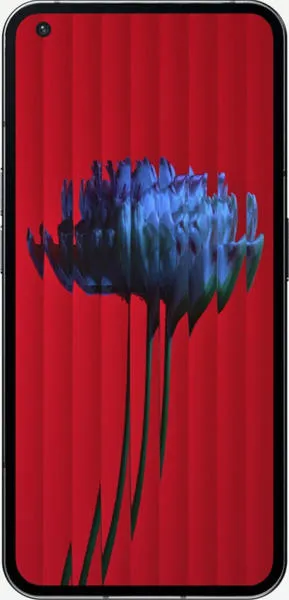
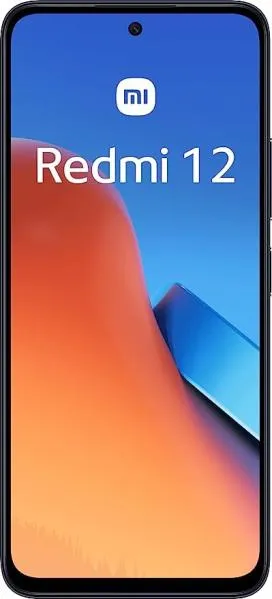
Nothing Phone (1) vs. Xiaomi Redmi 12: A Deep Dive
Let's dissect the Nothing Phone (1) and the Xiaomi Redmi 12, going beyond the spec sheets to uncover what these devices truly offer in real-world usage.
1. Specifications Breakdown
| Feature | Nothing Phone (1) | Xiaomi Redmi 12 | Real-World Implications |
|---|---|---|---|
| Design | |||
| Dimensions | 159.2 x 75.8 x 8.3 mm, 193.5g | 168.6 x 76.3 x 8.2 mm, 198.5g | Nothing Phone (1) is more compact and slightly lighter, improving one-handed usability. |
| Build Materials | Glass front & back, aluminum frame | Glass front, plastic frame & back | Nothing Phone (1) feels more premium due to its glass back and aluminum frame, offering better durability. |
| Display | |||
| Type | OLED, 120Hz, HDR10+ | IPS LCD, 90Hz | Nothing Phone (1)'s OLED delivers deeper blacks, vibrant colors, and better power efficiency due to individual pixel illumination. |
| Size | 6.55" | 6.79" | Redmi 12 offers a larger screen for media consumption but may be less comfortable for one-handed use. |
| Resolution | 1080 x 2400 pixels | 1080 x 2460 pixels | Both offer sharp visuals, though Redmi 12 has a slightly taller aspect ratio. |
| Performance | |||
| Chipset | Snapdragon 778G+ 5G (6nm) | Helio G88 (12nm) | Nothing Phone (1) boasts significantly better CPU and GPU performance, resulting in smoother multitasking and gaming. |
| RAM | 8GB/12GB | 4GB/6GB/8GB | More RAM in Nothing Phone (1), especially the 12GB variant, enables seamless app switching and demanding tasks. |
| Storage | 128GB/256GB | 128GB/256GB | Comparable storage options on both devices. |
| Camera | |||
| Main Camera | 50MP (Sony IMX766) | 50MP (Samsung S5KJN1) | Both use a 50MP primary sensor, but image quality will depend on processing algorithms. Real-world testing is needed. |
| Ultrawide | 50MP (Samsung S5KJN1) | 8MP | Nothing Phone (1)'s higher resolution ultrawide offers significantly more detail and flexibility. |
| Macro | N/A | 2MP | Redmi 12 includes a dedicated macro lens, although its low resolution might limit practical use. |
| Battery Life | |||
| Capacity | 4500 mAh | 5000 mAh | Redmi 12 has a larger battery, potentially offering longer usage time. |
| Charging | 33W wired, 15W wireless | 18W wired | Nothing Phone (1) supports faster wired and wireless charging, reducing downtime. |
2. Key Insights
Performance: The Snapdragon 778G+ in the Nothing Phone (1) is a clear winner, providing a substantially smoother and more responsive experience compared to the Redmi 12's Helio G88. This difference will be noticeable in demanding games, multitasking, and overall system fluidity.
Display: While the Redmi 12 offers a slightly larger display, the Nothing Phone (1)'s OLED technology provides a superior visual experience with richer colors, deeper blacks, and true HDR support. The 120Hz refresh rate on the Nothing Phone (1) also contributes to a smoother, more fluid user interface.
Camera: On paper, both phones boast a 50MP primary camera. However, real-world image quality hinges on factors beyond megapixels, such as image processing and sensor quality. The Nothing Phone (1) stands out with its high-resolution 50MP ultrawide lens, offering a significant advantage over the Redmi 12's 8MP ultrawide.
Battery: The Redmi 12 packs a larger 5000mAh battery compared to the Nothing Phone (1)'s 4500mAh. However, the Nothing Phone (1)'s more efficient OLED display and faster charging speeds might offset this difference in practical usage.
3. User Profiles and Recommendations
Nothing Phone (1): Ideal for users who prioritize performance, a premium display, and faster charging. Gamers, content creators, and those who demand a smooth, responsive experience will appreciate the Snapdragon 778G+ and the 120Hz OLED display.
Xiaomi Redmi 12: Suitable for budget-conscious users who prioritize battery life and a large screen for media consumption. Casual users who primarily use their phones for browsing, social media, and light gaming will find the Redmi 12 a decent option.
4. Buying Decision Framework
- What is your budget? The Redmi 12 is significantly more affordable.
- What are your performance expectations? For demanding tasks, the Nothing Phone (1) is the clear choice.
- How important is display quality? The Nothing Phone (1)'s OLED offers a superior visual experience.
My Choice: The Nothing Phone (1)
While the Redmi 12 offers tempting value for its price, I'd choose the Nothing Phone (1). The superior performance provided by the Snapdragon 778G+, coupled with the vibrant OLED display and faster charging, significantly enhances the daily user experience. The more compact form factor and premium build also appeal to me. While the Redmi 12 boasts a larger battery, I'm willing to trade a slight decrease in battery life for the significant gains in performance, display quality, and overall user experience offered by the Nothing Phone (1). The price difference is justifiable for the tangible benefits it brings.
