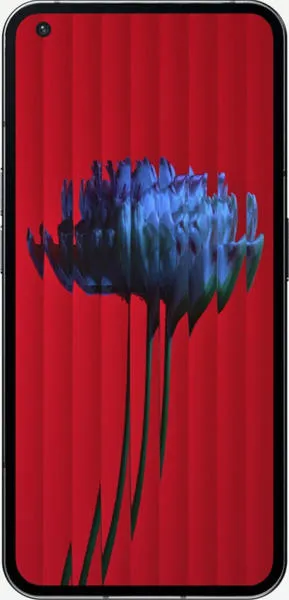
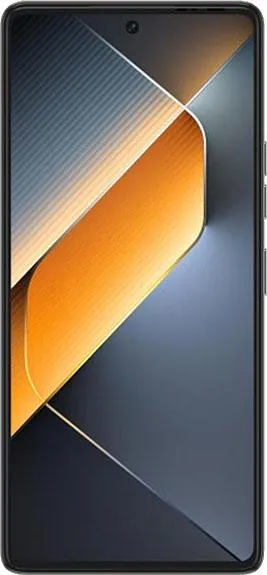
Nothing Phone (1) vs. Tecno Pova 6 Pro: A Deep Dive
Let's dissect the Nothing Phone (1) and Tecno Pova 6 Pro, two intriguing mid-range contenders, to see how they stack up in the real world.
1. Specifications Breakdown
| Feature | Nothing Phone (1) | Tecno Pova 6 Pro | Real-World Implications |
|---|---|---|---|
| Design | |||
| Dimensions (mm) | 159.2 x 75.8 x 8.3 | 165.5 x 76.1 x 7.9 | Pova 6 Pro is slightly larger and heavier. |
| Weight (g) | 193.5 | 198 | Negligible difference in hand feel. |
| Display | |||
| Type | OLED | AMOLED | Both offer vibrant colors and deep blacks. AMOLED might be slightly more power efficient. |
| Size | 6.55" | 6.78" | Pova 6 Pro has a larger screen for more immersive content. |
| Resolution | 1080 x 2400 | 1080 x 2460 | Similar sharpness; Pova 6 Pro slightly denser due to larger size. |
| Refresh Rate | 120Hz | 120Hz | Both offer smooth scrolling and animations. |
| Peak Brightness | 1200 nits | 1300 nits | Pova 6 Pro might be slightly more visible in direct sunlight. |
| Performance | |||
| Chipset | Snapdragon 778G+ | Dimensity 6080 | 778G+ generally offers better performance in benchmarks and gaming. |
| CPU | Octa-core (2.5 GHz) | Octa-core (2.4 GHz) | 778G+ has a slight edge in CPU performance. |
| GPU | Adreno 642L | Mali-G57 MC2 | Adreno 642L provides a more powerful graphics processing experience. |
| RAM | 8GB/12GB | 12GB | Both configurations offer ample RAM for multitasking. 8GB on Nothing Phone might be limiting for power users |
| Camera | |||
| Main Sensor | 50MP (Sony IMX766) | 108MP | Higher megapixel count on Pova 6 Pro doesn't guarantee better image quality; IMX766 is a known high-quality sensor. |
| Ultrawide | 50MP | N/A | Nothing Phone (1) offers a dedicated ultrawide lens. |
| Video | 4K@30fps | 1440p@30fps | Comparable video recording capabilities. |
| Battery Life | |||
| Capacity | 4500 mAh | 6000 mAh | Pova 6 Pro offers significantly longer battery life. |
| Fast Charging | 33W | 70W | Pova 6 Pro charges much faster. |
| Other | |||
| OS | Android 12 (up to 15) | Android 14 | Nothing Phone (1) has a confirmed longer software update cycle. |
| Price | Mid-range | Mid-range | Pricing can vary by region; generally comparable. |
2. Key Insights
- Performance: The Nothing Phone (1), with its Snapdragon 778G+, holds a clear performance advantage, particularly in gaming and demanding tasks.
- Camera: While the Pova 6 Pro boasts a 108MP main sensor, the Nothing Phone (1)'s 50MP Sony IMX766 sensor, coupled with a dedicated ultrawide lens, is likely to produce superior overall image quality and versatility.
- Battery: The Pova 6 Pro's massive 6000 mAh battery and 70W fast charging provide unmatched endurance and quick top-ups.
- Software: Nothing Phone (1)'s commitment to longer software updates offers peace of mind and access to newer features.
- Unique Features: The Nothing Phone (1)'s Glyph Interface, a unique lighting system on the back, adds a distinctive visual element.
3. User Profiles and Recommendations
- Nothing Phone (1): Best suited for users prioritizing performance, a polished software experience with guaranteed future updates, a unique design, and a versatile camera system. Ideal for gamers, photography enthusiasts, and those seeking a distinct aesthetic.
- Tecno Pova 6 Pro: An excellent choice for users who value long battery life above all else. Perfect for heavy media consumers, travelers, and those who dislike frequent charging.
4. Buying Decision Framework
- What matters most? Performance, camera versatility, and software updates vs. exceptional battery life.
- What's your budget? Consider the different RAM and storage options available for both phones.
- What's your usage pattern? Heavy gaming and multitasking vs. extended use without charging access.
My Choice: I would choose the Nothing Phone (1). While the Pova 6 Pro's battery is tempting, the superior performance, versatile camera system with an ultrawide lens, and the promise of longer software updates are more compelling to me. The unique Glyph Interface is a bonus that aligns with my appreciation for innovative design. I prioritize a smooth, future-proof experience and am willing to compromise slightly on battery life to achieve that. The stronger processor and GPU of the Nothing Phone (1) would be more valuable to me in the long run.
