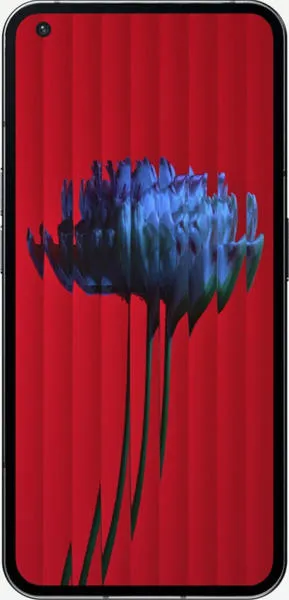

Nothing Phone (1) vs. Sony Xperia 5 V: A Deep Dive
Let's dissect the Nothing Phone (1) and the Sony Xperia 5 V, two compelling smartphones with distinct personalities. We'll go beyond the spec sheet to uncover what these devices offer in real-world scenarios.
1. Specifications Breakdown
| Feature | Nothing Phone (1) | Sony Xperia 5 V | Real-World Implications |
|---|---|---|---|
| Design | |||
| Dimensions (mm) | 159.2 x 75.8 x 8.3 | 154 x 68 x 8.6 | Xperia 5 V is more compact and pocketable. |
| Weight (g) | 193.5 | 182 | Xperia 5 V is noticeably lighter, reducing hand fatigue. |
| Display | |||
| Size (inches) | 6.55 | 6.1 | Nothing Phone (1) offers a larger screen for media consumption; Xperia 5 V prioritizes one-handed usability. |
| Resolution | 1080 x 2400 | 1080 x 2520 | Xperia 5 V has a slightly higher pixel density (449 vs 402 PPI), resulting in marginally sharper text and images. |
| Refresh Rate (Hz) | 120 | 120 | Both offer smooth scrolling and animations. |
| Display Type | OLED | OLED | Both deliver vibrant colors, deep blacks, and excellent contrast. |
| Performance | |||
| Chipset | Snapdragon 778G+ | Snapdragon 8 Gen 2 | Xperia 5 V boasts significantly faster processing power for demanding tasks and gaming due to the flagship 8 Gen 2 chip. |
| CPU | Octa-core | Octa-core | Xperia 5 V's Cortex-X3 core ensures superior single-core performance, while its overall architecture delivers a substantial speed advantage. |
| GPU | Adreno 642L | Adreno 740 | Xperia 5 V offers significantly improved graphics performance, enabling smoother gameplay at higher settings. |
| RAM (GB) | 8/12 | 8 | Both offer ample RAM for multitasking, though the Nothing Phone (1)'s 12GB option provides additional headroom. |
| Camera | |||
| Main Sensor (MP) | 50 | 48 | Both use high-quality Sony sensors. Real-world image quality will depend on processing. Xperia 5V has a larger sensor (1/1.4" vs 1/1.56") |
| Battery Life | |||
| Capacity (mAh) | 4500 | 5000 | Xperia 5 V likely offers longer battery life due to its larger capacity and more power-efficient chip. |
2. Key Insights
The Nothing Phone (1) stands out with its unique Glyph Interface, a customizable LED lighting system on the back. While visually appealing, its practical use is debatable. It offers a good display and decent performance for everyday tasks but falls behind the Xperia in raw power.
The Sony Xperia 5 V is a powerhouse. Its Snapdragon 8 Gen 2 chip provides flagship-level performance, making it ideal for demanding users and mobile gamers. The compact form factor, improved camera system with a larger sensor, and larger battery are significant advantages.
3. User Profiles and Recommendations
Nothing Phone (1): Best suited for style-conscious users who prioritize a unique design and solid mid-range performance. Ideal for social media, web browsing, and casual photography.
Sony Xperia 5 V: Perfect for power users, mobile gamers, and photography enthusiasts. Its compact size also appeals to those who prefer one-handed usability. The superior performance justifies the higher price for users who demand the best.
4. Buying Decision Framework
- What is your budget? The Nothing Phone (1) is significantly more affordable.
- Do you prioritize performance or style? The Xperia 5 V excels in performance; the Nothing Phone (1) is more distinctive in design.
- What is your typical usage? For casual use, the Nothing Phone (1) suffices; power users will appreciate the Xperia 5 V's capabilities.
My Choice: Sony Xperia 5 V
While the Nothing Phone (1)'s Glyph Interface is intriguing, I prioritize performance and overall refinement. The Sony Xperia 5 V's Snapdragon 8 Gen 2 chip, superior camera system with a larger sensor, compact design, and larger battery are compelling. As someone who uses their phone for demanding tasks, gaming, and photography, the Xperia 5 V is the clear winner for me. Its longer software support lifecycle, thanks to more recent release, further solidifies its value proposition. The price premium is justified by the significant jump in performance and features.
