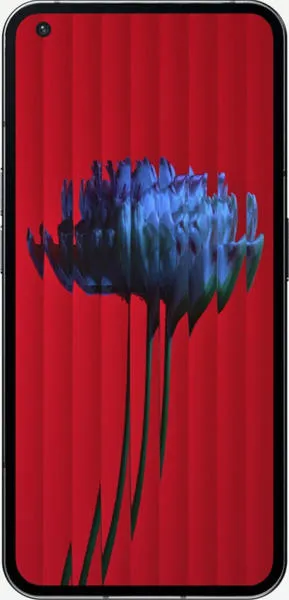
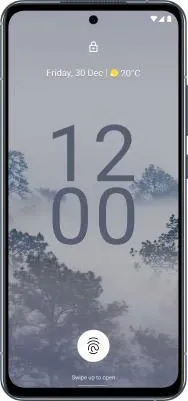
Nothing Phone (1) vs. Nokia X30: A Deep Dive for the Discerning Smartphone User
The mid-range smartphone arena is fiercely competitive, with devices vying for attention through innovative features and compelling price points. Today, we dissect two contenders: the Nothing Phone (1), a newcomer with a unique design language, and the Nokia X30, a device championing sustainability and longevity. Let's delve into the specifications and uncover what truly sets them apart.
1. Specifications Breakdown
| Feature | Nothing Phone (1) | Nokia X30 | Real-World Implications |
|---|---|---|---|
| Design | |||
| Dimensions (mm) | 159.2 x 75.8 x 8.3 | 158.9 x 73.9 x 8 | Nothing is slightly larger; both are relatively slim. Grip and one-handed use may vary slightly. |
| Weight (g) | 193.5 | 185 | Nokia is noticeably lighter, reducing hand fatigue during extended use. |
| Build Materials | Glass front/back, aluminum frame | Aluminum frame | Both offer premium feel; durability differences may exist due to unspecified Nokia back material. |
| Display | |||
| Type | OLED | AMOLED | Both offer vibrant colors and deep blacks; OLED generally consumes less power. |
| Size (inches) | 6.55 | 6.43 | Negligible size difference; both offer ample screen real estate. |
| Resolution (px) | 1080 x 2400 | 1080 x 2400 | Identical resolution; sharpness and clarity should be comparable. |
| Refresh Rate (Hz) | 120 | 90 | Nothing's 120Hz offers smoother scrolling and animations, enhancing perceived performance. |
| Performance | |||
| Chipset | Snapdragon 778G+ 5G (6nm) | Snapdragon 695 5G (6nm) | Nothing's 778G+ provides significantly better CPU and GPU performance, leading to faster app loading, smoother gaming, and enhanced multitasking. |
| CPU | Octa-core (1x2.5 GHz + 3x2.4 GHz + 4x1.9 GHz) | Octa-core (2x2.2 GHz + 6x1.7 GHz) | Nothing's higher clock speeds and more powerful core configuration translates to a noticeable performance advantage in demanding tasks. |
| GPU | Adreno 642L | Adreno 619 | Nothing's GPU offers a substantial gaming and graphics processing advantage. |
| RAM (GB) | 8/12 | 6/8 | More RAM on Nothing enables better multitasking and smoother performance with multiple apps open. |
| Camera | |||
| Rear Camera | 50MP (wide) + 50MP (ultrawide) | 50MP (wide) + 13MP (ultrawide) | Both offer dual camera setups; Nothing boasts a higher resolution ultrawide, potentially capturing more detail. Practical image quality depends on sensor and software processing, which requires further real-world testing. |
| Front Camera | 16MP | 16MP | Similar resolution; selfie quality will depend on software processing and lens quality. |
| Video | 4K@30fps | 1080p@60fps | Nothing offers higher resolution video recording. |
| Battery Life | |||
| Capacity (mAh) | 4500 | 4200 | Slightly larger battery on Nothing suggests potentially longer usage time. |
| Charging | 33W Wired, 15W Wireless | 33W Wired | Identical wired charging speeds; Nothing offers wireless and reverse wireless charging, adding versatility. |
2. Key Insights
The Nothing Phone (1) clearly shines in performance due to its superior Snapdragon 778G+ processor. This translates to a smoother, faster experience across all tasks, especially demanding ones like gaming and content creation. Its higher refresh rate display further enhances this fluidity. The unique Glyph Interface, while subjective, adds a distinctive visual element.
The Nokia X30, while less powerful, focuses on sustainability with its recycled aluminum frame and extended software support (3 years of OS updates and security patches), potentially making it a more environmentally conscious and long-term choice. It's also lighter and potentially more compact depending on the back material which is not specified in the provided data.
3. User Profiles and Recommendations
Nothing Phone (1): Ideal for users who prioritize performance, a smooth display, unique aesthetics, and wireless charging convenience. Gamers, content creators, and tech enthusiasts would appreciate its capabilities.
Nokia X30: Suitable for environmentally conscious users who value software updates and longevity. Those seeking a reliable, lightweight device for everyday tasks like communication, browsing, and light media consumption would find it a good fit.
4. Buying Decision Framework
- What is your performance priority? If speed and smooth operation are paramount, the Nothing Phone (1) is the clear winner. If basic tasks and efficiency are sufficient, the Nokia X30 is a solid option.
- How important is long-term software support? If receiving updates for an extended period is crucial, the Nokia X30's guaranteed 3 years of updates provide peace of mind.
- What is your budget? Considering the price difference (if any) in your region, evaluate if the Nothing Phone (1)'s performance premium justifies the extra cost. Prices can fluctuate, so research current market prices in your area.
My Choice: The Nothing Phone (1)
While I appreciate Nokia's commitment to sustainability, as a tech journalist, I value performance and cutting-edge features. The Nothing Phone (1)'s Snapdragon 778G+, coupled with the 120Hz display, delivers a tangible difference in everyday use. The inclusion of wireless charging, while not a deal-breaker, adds convenience. The Glyph Interface, although potentially gimmicky to some, adds a unique personality to the device. For my needs – which include testing apps, mobile gaming, and content creation – the Nothing Phone (1) offers a superior user experience that justifies the potential price difference. However, if the price gap is significant in your region and your usage is less demanding, the Nokia X30 remains a respectable contender.
