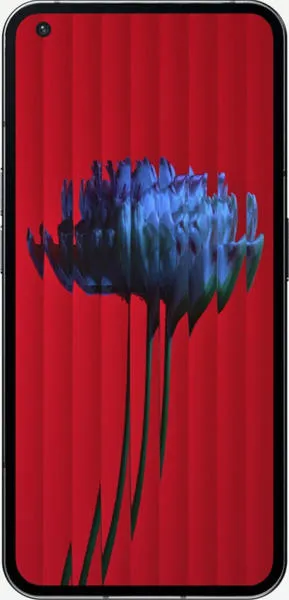
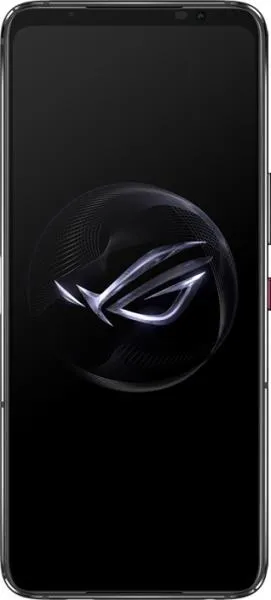
Nothing Phone (1) vs. Asus ROG Phone 7: A Deep Dive
Let's dissect the Nothing Phone (1) and the Asus ROG Phone 7, cutting through the marketing hype to uncover what truly matters: how these devices perform in the real world.
1. Specifications Breakdown
| Feature | Nothing Phone (1) | Asus ROG Phone 7 | Real-World Implications |
|---|---|---|---|
| Design | |||
| Dimensions (mm) | 159.2 x 75.8 x 8.3 | 173 x 77 x 10.3 | ROG Phone 7 is larger and heavier, potentially less comfortable for one-handed use. |
| Weight (g) | 193.5 | 239 | Noticeable difference in weight; Nothing Phone (1) is more pocketable. |
| Display | |||
| Size (inches) | 6.55 | 6.78 | ROG Phone 7 offers a slightly larger screen for more immersive content consumption. |
| Type | OLED | AMOLED | Both offer vibrant colors and deep blacks. AMOLED generally has a slight edge in brightness and power efficiency. |
| Refresh Rate (Hz) | 120 | 165 | ROG Phone 7's higher refresh rate results in smoother animations and scrolling, particularly beneficial for gaming. |
| Performance | |||
| Chipset | Snapdragon 778G+ | Snapdragon 8 Gen 2 | ROG Phone 7 boasts significantly more powerful CPU and GPU, enabling demanding tasks and high-end gaming. |
| RAM (GB) | 8/12 | 12/16 | More RAM on the ROG Phone 7 allows for seamless multitasking and smoother performance with demanding applications. |
| Camera | |||
| Main Sensor | 50MP Sony IMX766 | 50MP Sony IMX766 | Both phones utilize the same main sensor, suggesting comparable image quality in ideal conditions. Real-world testing is needed. |
| Ultrawide | 50MP Samsung | 13MP OmniVision | Nothing Phone (1)'s higher resolution ultrawide offers potentially more detailed shots. |
| Battery Life | |||
| Capacity (mAh) | 4500 | 6000 | ROG Phone 7's larger battery capacity promises significantly longer battery life. |
| Charging | 33W Wired | 65W Wired | ROG Phone 7 charges much faster. |
| Price | Medium | High | Significant price difference; Nothing Phone (1) offers better value for budget-conscious users. |
2. Key Insights
Performance: The ROG Phone 7 is a clear winner in terms of raw power, thanks to the latest Snapdragon 8 Gen 2. The Nothing Phone (1), while not a slouch with its Snapdragon 778G+, is geared towards everyday tasks and moderate gaming. The ROG Phone 7 is designed for extreme performance, making it ideal for demanding mobile gamers and power users.
Display: Both phones offer excellent displays. The ROG Phone 7 edges ahead with its higher 165Hz refresh rate, offering a noticeably smoother experience. While discerning users will appreciate the difference, the Nothing Phone (1)'s 120Hz display is still very smooth.
Battery: The ROG Phone 7 boasts a significantly larger battery and faster charging. For heavy users, this translates to longer usage time and quicker top-ups. The Nothing Phone (1)'s battery life is respectable, but not exceptional.
Camera: On paper, the main camera sensors are identical. However, the Nothing Phone (1) sports a higher resolution ultrawide lens. The ultimate image quality will depend on factors like image processing and software optimization.
Software: The ROG phone comes with a more up to date Android OS. While updates can be provided, the older a phone gets the more likely it is to not receive updates when compared to newer phones.
3. User Profiles and Recommendations
Nothing Phone (1): Best suited for users who prioritize style, value, and a smooth everyday experience without breaking the bank. Excellent for social media, web browsing, casual gaming, and photography.
Asus ROG Phone 7: Ideal for hardcore mobile gamers, power users, and anyone who demands top-tier performance. The larger battery and faster charging are also beneficial for heavy users.
4. Buying Decision Framework
What is your budget? If you're on a tighter budget, the Nothing Phone (1) offers excellent value.
What is your primary use case? For demanding gaming and heavy multitasking, the ROG Phone 7 excels. For everyday tasks, the Nothing Phone (1) is more than sufficient.
How important is battery life to you? The ROG Phone 7's larger battery and faster charging are significant advantages for users who need all-day power.
My Choice: Asus ROG Phone 7
While the Nothing Phone (1) is a compelling device at its price point, I would choose the Asus ROG Phone 7. As a tech enthusiast who enjoys pushing devices to their limits, the raw power of the Snapdragon 8 Gen 2, combined with the blazing-fast 165Hz display, is irresistible. The significantly larger battery and faster charging are also crucial for my usage patterns. Although the price is higher, the ROG Phone 7 offers a premium mobile experience that aligns with my needs. I value future-proofing and sustained performance, and the ROG Phone 7 delivers on both fronts. The additional features geared towards gaming and media consumption, such as the side-mounted USB-C port and accessory connector, further solidify its position as the ultimate mobile powerhouse.
