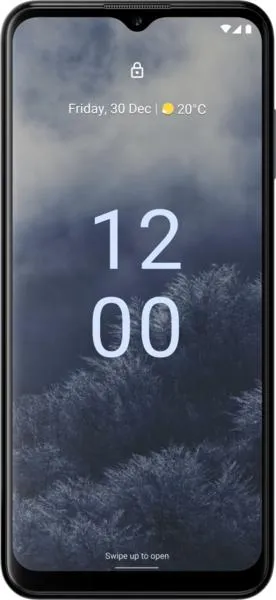
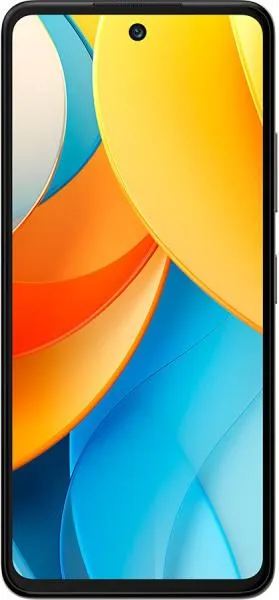
Let's dive into a comparative analysis of the Nokia G60 and the ZTE Blade V60 Design, focusing on how their specifications translate into real-world experiences.
1. Specifications Breakdown
| Feature | Nokia G60 | ZTE Blade V60 Design | Real-World Implications |
|---|---|---|---|
| Design | |||
| Dimensions (mm) | 166 x 75.9 x 8.6 | 164.2 x 75.3 x 8.6 | Nokia G60 slightly taller. Negligible difference in overall feel. |
| Weight (g) | 190 | 198 | ZTE slightly heavier, but unlikely to be noticeable in hand. |
| Build Materials | Not specified (Likely polycarbonate) | Not specified (Likely polycarbonate) | Durability and premium feel will depend on specific materials used, which aren't detailed. |
| Display | |||
| Size (inches) | 6.58 | 6.6 | Virtually identical screen real estate. |
| Resolution | 1080 x 2408 | 720 x 1612 | Nokia G60 significantly sharper (401 ppi vs 267 ppi), resulting in crisper text and images. |
| Refresh Rate | 120Hz | 90Hz | Nokia G60 smoother for scrolling and animations, though both offer above-average refresh rates. |
| Display Type | IPS LCD | IPS LCD | Similar color accuracy and viewing angles expected. |
| Performance | |||
| Chipset | Snapdragon 695 5G (6nm) | Unisoc T606 (12nm) | Nokia G60 boasts a more powerful and efficient processor, leading to better performance and battery life. |
| CPU | Octa-core (2x2.2 GHz & 6x1.7 GHz) | Octa-core (2x1.6 GHz & 6x1.6 GHz) | Nokia G60 offers superior processing power for demanding tasks and multitasking. |
| GPU | Adreno 619 | Mali-G57 MP1 | Nokia G60 likely to have a stronger gaming performance. |
| RAM | 4GB/6GB | 4GB/6GB | RAM options are equal, affecting multitasking capabilities. |
| Camera | |||
| Main Camera | 50MP | 50MP | Megapixel count identical, but image quality will depend on sensor and processing. |
| Other Cameras | 5MP ultrawide, 2MP depth | 2MP depth, 0.3MP (likely macro or AI lens) | Nokia G60 offers a more versatile camera setup with an ultrawide lens. |
| Battery Life | |||
| Capacity | 4500 mAh | 5000 mAh | ZTE Blade V60 Design has a larger battery, potentially lasting longer on a single charge. |
| Charging | 20W fast charging | 22.5W fast charging | ZTE Blade V60 Design charges slightly faster. |
2. Key Insights
- Performance: The Nokia G60 significantly outperforms the ZTE Blade V60 Design due to its more powerful Snapdragon 695 processor. This translates to smoother multitasking, faster app loading, and better gaming capabilities.
- Display: While both phones have large screens, the Nokia G60's higher resolution and refresh rate deliver a noticeably superior visual experience. Sharper details and smoother animations make a difference in daily use.
- Camera: Both have 50MP main cameras, but the Nokia G60's inclusion of an ultrawide lens provides greater versatility for capturing landscapes and group photos.
- Battery: The ZTE Blade V60 Design boasts a larger battery capacity, suggesting longer battery life. However, the Nokia G60's more efficient processor could offset this advantage.
3. User Profiles and Recommendations
- Nokia G60: Suited for users who prioritize performance, a smooth display, and a versatile camera. Ideal for gaming, media consumption, and multitasking. The higher price reflects these premium features.
- ZTE Blade V60 Design: Best for budget-conscious users who prioritize long battery life and basic functionality. Suitable for everyday tasks like calling, texting, browsing, and social media.
4. Buying Decision Framework
- What is your budget? The ZTE Blade V60 Design is significantly more affordable.
- What level of performance do you need? The Nokia G60 offers a considerable performance advantage.
- How important is battery life to you? The ZTE Blade V60 Design likely has a longer lasting battery, but the Nokia G60's efficiency could close the gap.
My Choice: I would choose the Nokia G60. While the ZTE Blade V60 Design offers tempting battery life and a lower price, I value the superior performance, smoother display, and more versatile camera system of the Nokia G60. The difference in user experience offered by the Snapdragon 695, the 120Hz display, and the ultrawide camera would be significant enough for me to justify the higher price. I prioritize a fluid and responsive phone that can handle demanding tasks and capture high-quality photos.
