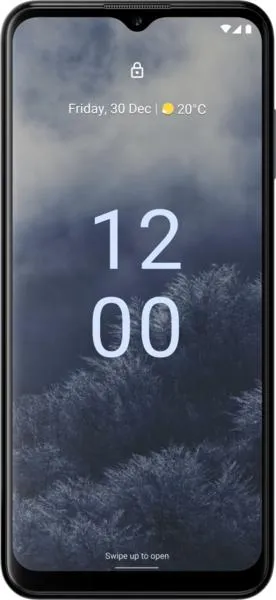
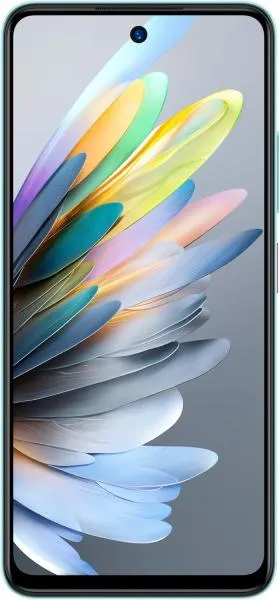
Nokia G60 vs. ZTE Blade A75 4G: A Detailed Comparison
The mid-range smartphone market is fiercely competitive, with manufacturers vying for your attention with a blend of features and affordability. Today, we'll dissect two contenders: the Nokia G60 and the ZTE Blade A75 4G. Let's dive into the specs and uncover what each phone offers in the real world.
1. Specifications Breakdown
| Feature | Nokia G60 | ZTE Blade A75 4G | Real-World Implications |
|---|---|---|---|
| Design | |||
| Dimensions (mm) | 166 x 75.9 x 8.6 | 164.1 x 75.8 x 8.6 | Nokia G60 slightly taller. Negligible difference in hand feel. |
| Weight (g) | 190 | 189 | Virtually identical, both feel substantial. |
| Build Materials | Not specified | Not specified | Durability and premium feel unknown without further information. |
| Display | |||
| Size (inches) | 6.58 | 6.6 | Nearly identical screen real estate. |
| Resolution | 1080 x 2408 | 720 x 1612 | Nokia G60 significantly sharper (401 ppi vs. 267 ppi), impacting clarity and media consumption. |
| Refresh Rate | 120Hz | 90Hz | Nokia G60 smoother scrolling and animations, noticeable in daily use. |
| Display Type | IPS LCD | IPS LCD | Similar color accuracy and viewing angles expected. |
| Performance | |||
| Chipset | Snapdragon 695 5G | Unisoc T606 | Nokia G60's Snapdragon offers better performance and 5G connectivity, critical for future-proofing. |
| CPU | Octa-core (2x2.2 GHz & 6x1.7 GHz) | Octa-core (2x1.6 GHz & 6x1.6 GHz) | Nokia G60 more powerful for demanding tasks and multitasking. |
| RAM | 4GB/6GB | 4GB/8GB | Both offer sufficient RAM for most users; 8GB on the ZTE can be advantageous for heavy multitasking. |
| Storage | 64GB/128GB | 128GB/256GB | ZTE offers larger storage options out of the box, important for media hoarders. |
| Camera | |||
| Rear Camera | 50MP + 5MP + 2MP | 50MP + 0.3MP | Nokia G60's triple camera system more versatile with dedicated wide-angle and depth sensors. ZTE's secondary lens is practically useless. |
| Front Camera | 8MP | 8MP | Similar selfie camera resolution. |
| Battery Life | |||
| Capacity | 4500 mAh | 5000 mAh | ZTE Blade A75 4G likely to offer longer battery life on a single charge. |
| Charging | 20W Fast Charging | 22.5W Fast Charging | ZTE slightly faster charging, but real-world difference likely minimal. |
| Other | |||
| NFC | Yes | Yes | Mobile payments and device pairing supported on both. |
| 5G | Yes | No | Future-proof connectivity on the Nokia G60. Significant advantage in areas with 5G deployment. |
| Price Range | Medium | Low | Nokia G60 expected to be more expensive. |
2. Key Insights
The Nokia G60 positions itself as a future-proof device with 5G connectivity, a sharper display with a higher refresh rate, and a more powerful processor. Its triple-camera system offers greater versatility. However, it comes with a smaller battery and a higher price tag.
The ZTE Blade A75 4G, while lacking 5G and boasting a lower resolution display, counters with a larger battery and a more affordable price. Its larger storage options might appeal to users who prioritize local media storage.
3. User Profiles and Recommendations
Nokia G60: Ideal for users who:
- Prioritize performance and future-proof features like 5G.
- Value a smooth and sharp display for media consumption and gaming.
- Need a versatile camera system.
ZTE Blade A75 4G: Best suited for users who:
- Primarily use their phones for basic tasks like calling, texting, and social media.
- Seek maximum battery life.
- Are on a tight budget and prioritize affordability.
4. Buying Decision Framework
Questions to Ask:
- Is 5G connectivity crucial for you? If yes, the Nokia G60 is the only option.
- What's your budget? The ZTE Blade A75 4G wins on pure affordability.
- What are your primary phone usage patterns? Heavy users will appreciate the Nokia G60's performance; light users might find the ZTE's battery life more compelling.
My Choice: Nokia G60
While the ZTE Blade A75 4G offers tempting value, I would choose the Nokia G60. The superior display, significantly better performance provided by the Snapdragon chipset, 5G future-proofing, and a more versatile camera system outweigh the benefits of a slightly larger battery and lower price for me. In the long run, the G60's performance and features will provide a more satisfying and enjoyable user experience. The faster refresh rate alone dramatically improves daily interactions. Finally, access to 5G ensures the phone remains relevant for longer. While I acknowledge the price difference, the G60 represents a smarter investment for my needs.
