Nokia G60 vs. Xiaomi Redmi Note 13 4G: A Detailed Comparison
Let's dive deep into a comparative analysis of the Nokia G60 and the Xiaomi Redmi Note 13 4G, dissecting their specifications and uncovering what they truly offer in terms of real-world performance.
1. Specifications Breakdown
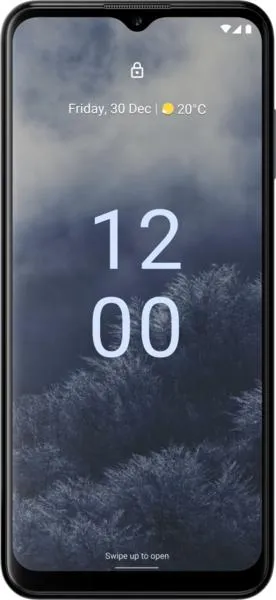
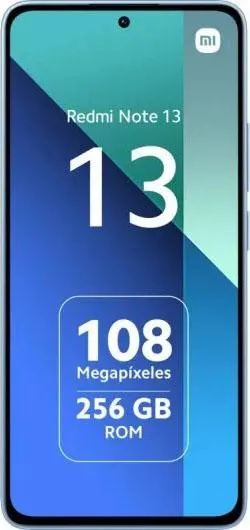
| Feature | Nokia G60 | Xiaomi Redmi Note 13 4G | Real-World Implications |
|---|---|---|---|
| Design | |||
| Dimensions (mm) | 166 x 75.9 x 8.6 | 162.3 x 75.6 x 8 | Note 13 4G is slightly more compact. |
| Weight (g) | 190 | 188.5 | Negligible weight difference. |
| Build Materials | Not specified | Not specified | Durability and premium feel remain unknown. |
| Display | |||
| Type | IPS LCD | AMOLED | Redmi's AMOLED offers potentially deeper blacks and vibrant colors. Nokia's IPS LCD might offer better visibility in sunlight. |
| Size | 6.58" | 6.67" | Redmi provides a slightly larger screen. |
| Resolution | 1080 x 2408 | 1080 x 2400 | Virtually identical sharpness. |
| Refresh Rate | 120Hz | 120Hz | Both offer smooth scrolling and animations. |
| Peak Brightness | Not specified | 1800 nits | Redmi's significantly higher peak brightness ensures excellent outdoor visibility. |
| Performance | |||
| Chipset | Snapdragon 695 5G | Snapdragon 685 4G | Nokia's chip offers 5G connectivity and potentially slightly better CPU performance. Redmi's chip is more power-efficient. |
| CPU | Octa-core (2.2 GHz) | Octa-core (2.8 GHz) | Redmi boasts a higher clock speed, potentially translating to faster app launches and multitasking. |
| GPU | Adreno 619 | Adreno 610 | Nokia might offer a slight edge in graphics-intensive tasks. |
| RAM | 4/6GB | 8GB | Redmi offers more RAM for smoother multitasking. |
| Camera | |||
| Main Camera | 50MP | 108MP | Redmi's higher resolution offers potentially more detail, but real-world performance depends on sensor quality and processing. |
| Selfie Camera | 8MP | 16MP | Redmi's higher resolution selfie camera might produce better self-portraits. |
| Video Recording | 1080p@30fps | 1080p@30fps | Identical video recording capabilities on paper. |
| Battery Life | |||
| Capacity | 4500 mAh | 5000 mAh | Redmi offers a larger battery, likely translating to longer usage time. |
| Charging | 20W Fast Charging | 33W Fast Charging | Redmi supports significantly faster charging. |
2. Key Insights
- Performance: While the Redmi Note 13 4G has a higher clocked CPU, the Nokia G60's Snapdragon 695 boasts 5G connectivity and potentially a slightly more powerful GPU. The 8GB RAM in the Redmi is a significant advantage for multitasking.
- Display: The Redmi Note 13 4G's AMOLED display with 1800 nits peak brightness steals the show, offering vibrant colors and excellent outdoor visibility. While the Nokia G60's 120Hz IPS LCD is no slouch, it can't match the contrast and brilliance of AMOLED.
- Camera: The megapixel count favors the Redmi Note 13 4G, but image quality depends heavily on factors beyond resolution. Real-world testing would be needed to determine the true winner.
- Battery: The Redmi Note 13 4G packs a larger battery and much faster charging, giving it a clear advantage in terms of battery life and convenience.
3. User Profiles and Recommendations
- Nokia G60: Best suited for users prioritizing 5G connectivity and potentially slightly better gaming performance, willing to compromise on display brilliance and battery life.
- Redmi Note 13 4G: Ideal for users who value a vibrant display, long battery life, fast charging, and a high-resolution main camera, and are comfortable without 5G.
4. Buying Decision Framework
- Do you need 5G connectivity? If yes, the Nokia G60 is your only option.
- Is display quality a top priority? If so, the Redmi Note 13 4G's AMOLED screen is the clear winner.
- How important is battery life and charging speed? The Redmi Note 13 4G offers a larger battery and significantly faster charging.
My Choice: Xiaomi Redmi Note 13 4G
While the Nokia G60 offers 5G, the Redmi Note 13 4G's superior display, larger battery with faster charging, and increased RAM make it the more compelling device for me. I prioritize these features for my daily usage, which involves content consumption, multitasking, and photography. The lack of 5G is less of a concern for me personally, given its limited availability and my current usage patterns. The Redmi Note 13 4G strikes a better balance of features and performance for my needs.
