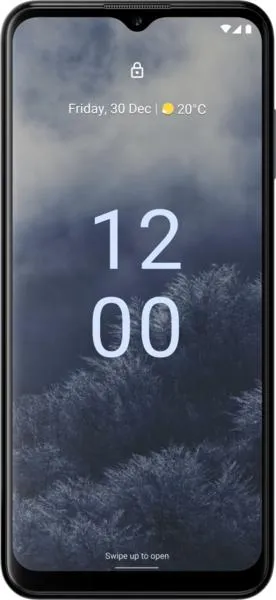
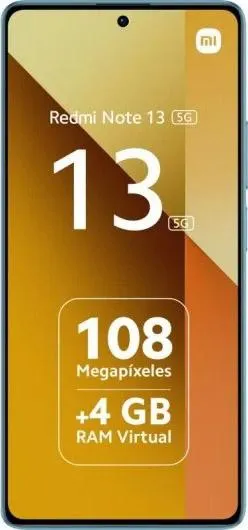
Nokia G60 vs. Xiaomi Redmi Note 13: A Deep Dive for the Discerning Smartphone User
The mid-range smartphone battleground is fierce, with contenders constantly vying for your attention and wallet. Today, we pit the Nokia G60 against the Xiaomi Redmi Note 13, dissecting their specifications and uncovering what truly matters for the everyday user.
1. Specifications Breakdown
| Feature | Nokia G60 | Xiaomi Redmi Note 13 | Real-World Implications |
|---|---|---|---|
| Design | |||
| Dimensions (mm) | 166 x 75.9 x 8.6 | 161.1 x 75 x 7.6 | Redmi Note 13 is slightly more compact and lighter, potentially improving one-handed usability. |
| Weight (g) | 190 | 174.5 | Noticeable difference in hand feel; Redmi Note 13 will feel less bulky. |
| Display | |||
| Type | IPS LCD, 120Hz | AMOLED, 120Hz | Redmi Note 13's AMOLED offers deeper blacks, vibrant colors, and potentially better battery efficiency. |
| Size (inches) | 6.58 | 6.67 | Redmi Note 13 provides a slightly larger viewing area. |
| Resolution (px) | 1080 x 2408 | 1080 x 2400 | Virtually identical sharpness; both offer crisp visuals. |
| Performance | |||
| Chipset | Snapdragon 695 5G (6nm) | Dimensity 6080 (6nm) | Comparable performance in day-to-day tasks, though benchmarks might reveal minor differences. |
| CPU | Octa-core (2x2.2 GHz...) | Octa-core (2x2.4 GHz...) | Redmi Note 13 might offer a slight edge in demanding applications. |
| RAM (base) | 4GB | 6GB (China/Global) or 8GB (India) | Redmi Note 13's larger RAM enables smoother multitasking and better handles memory-intensive apps. |
| OS | Android 12 (up to ?) | Android 13 (up to 16) | Redmi Note 13 boasts a newer OS with longer software support, ensuring future-proofing. |
| Camera | |||
| Main Camera (MP) | 50 | 108 | Redmi Note 13's higher resolution main camera potentially captures more detail. |
| Selfie Camera(MP) | 8 | 16 | Redmi Note 13's higher resolution selfie camera likely produces better self-portraits. |
| Battery Life | |||
| Capacity (mAh) | 4500 | 5000 | Redmi Note 13 likely offers longer battery life due to larger capacity and potentially AMOLED efficiency. |
| Fast Charging | 20W | 33W | Redmi Note 13 charges significantly faster, minimizing downtime. |
| Other | |||
| Price Range | Medium | Low | Redmi Note 13 offers a more budget-friendly option. |
2. Key Insights
The Redmi Note 13 boasts a superior display with AMOLED technology, translating to richer visuals and potentially better battery life. Its faster charging and larger battery capacity are significant advantages for power users. The Nokia G60 counters with potentially longer software updates (depending on future Nokia support) and a cleaner Android experience, free of bloatware often found on Xiaomi devices. While the Redmi Note 13 boasts a 108MP main camera, megapixels don't tell the whole story; real-world image quality will depend on factors like sensor size and image processing.
3. User Profiles and Recommendations
Nokia G60: Users prioritizing a clean Android experience, potential for extended software updates, and durability might prefer the G60.
Redmi Note 13: Users seeking a vibrant display, long battery life with fast charging, and a budget-friendly option will find the Redmi Note 13 compelling.
4. Buying Decision Framework
- Is display quality a top priority? If yes, the Redmi Note 13's AMOLED screen is the clear winner.
- How important is battery life and charging speed? The Redmi Note 13 offers a larger battery and significantly faster charging.
- What's your budget? The Redmi Note 13 provides excellent value for its lower price.
My Choice: The Xiaomi Redmi Note 13
While I appreciate Nokia's commitment to software updates and a clean Android experience, the Redmi Note 13's compelling combination of a stunning AMOLED display, long battery life with fast charging, and aggressive pricing wins me over. The performance differences are negligible for my usage, and the superior screen and battery experience outweigh other considerations. The significantly lower price of the Redmi Note 13 makes it an exceptional value proposition.
