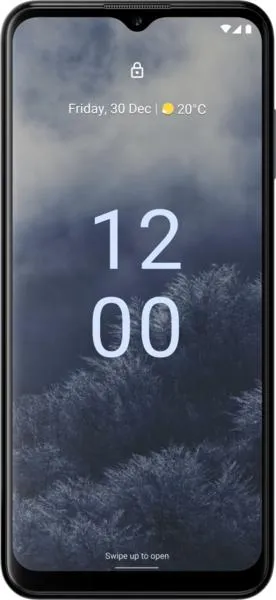
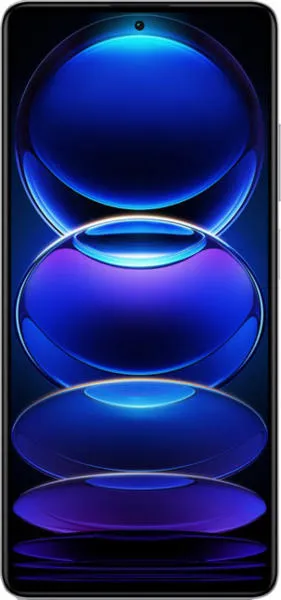
Nokia G60 vs. Xiaomi Redmi Note 12 Pro+: A Practical Comparison
Let's dive into a head-to-head comparison of the Nokia G60 and the Xiaomi Redmi Note 12 Pro+, dissecting their specs and uncovering what they mean for you, the user.
1. Specifications Breakdown
| Feature | Nokia G60 | Xiaomi Redmi Note 12 Pro+ | Real-World Implications |
|---|---|---|---|
| Design | |||
| Dimensions (mm) | 166 x 75.9 x 8.6 | 162.9 x 76 x 8.9 | Nokia G60 slightly taller and thicker. Redmi Note 12 Pro+ feels a tad slimmer in hand. |
| Weight (g) | 190 | 208.4 | Redmi Note 12 Pro+ noticeably heavier; might impact one-handed use. |
| Display | |||
| Type | IPS LCD | OLED | Redmi Note 12 Pro+ offers deeper blacks, vibrant colors, and better power efficiency. |
| Size (inches) | 6.58 | 6.67 | Redmi Note 12 Pro+ provides slightly more screen real estate. |
| Resolution | 1080x2408 | 1080x2400 | Virtually identical sharpness; imperceptible difference in daily use. |
| Refresh Rate (Hz) | 120 | 120 | Both offer smooth scrolling and animations. |
| HDR | No | HDR10+, Dolby Vision | Redmi Note 12 Pro+ significantly enhances video quality with richer colors and dynamic range. |
| Performance | |||
| Chipset | Snapdragon 695 | Dimensity 1080 | Comparable performance, Dimensity 1080 might have a slight edge in graphics intensive tasks. |
| CPU | Octa-core (2.2 GHz & 1.7 GHz) | Octa-core (2.6 GHz & 2.0 GHz) | Redmi Note 12 Pro+'s higher clock speeds potentially offer quicker app loading and multitasking. |
| RAM (GB) | 4/6 | 8/12 | Redmi Note 12 Pro+ provides more RAM for smoother multitasking and demanding applications. |
| Camera | |||
| Main Camera (MP) | 50 | 200 | Redmi Note 12 Pro+ boasts significantly higher resolution for potentially more detailed photos. |
| Features | Basic | OIS, Ultrawide, Macro | Redmi Note 12 Pro+ provides more versatile camera features and optical image stabilization. |
| Battery Life | |||
| Capacity (mAh) | 4500 | 5000 | Redmi Note 12 Pro+ likely offers longer battery life due to larger capacity and efficient OLED. |
| Fast Charging | 20W | 120W | Redmi Note 12 Pro+ charges dramatically faster. |
2. Key Insights
- Display: The Redmi Note 12 Pro+'s OLED display is a clear winner, delivering superior contrast, colors, and HDR support. The Nokia G60's LCD is functional but lacks the vibrancy and dynamic range.
- Performance: While both chipsets offer comparable performance for everyday tasks, the Redmi Note 12 Pro+'s Dimensity 1080 and larger RAM capacity give it an edge in demanding applications and multitasking.
- Camera: The 200MP main camera on the Redmi Note 12 Pro+, combined with OIS and additional lenses (ultrawide and macro), provides superior photographic capabilities compared to the Nokia G60's more basic setup.
- Charging: The 120W fast charging on the Redmi Note 12 Pro+ is a game-changer, replenishing the battery incredibly quickly. The Nokia G60's 20W charging pales in comparison.
3. User Profiles and Recommendations
- Nokia G60: Best suited for budget-conscious users prioritizing durability and software updates (Nokia is known for timely updates). Ideal for basic tasks like calling, texting, browsing, and light media consumption.
- Xiaomi Redmi Note 12 Pro+: A great choice for users seeking a multimedia powerhouse with a stunning display, fast performance, excellent camera capabilities, and incredibly fast charging. Ideal for mobile gaming, photography enthusiasts, and content creators.
4. Buying Decision Framework
- What is your budget? The Nokia G60 is generally more affordable.
- Is display quality a top priority? If yes, the Redmi Note 12 Pro+'s OLED is the clear winner.
- Do you need top-tier camera features and fast charging? The Redmi Note 12 Pro+ excels in these areas.
My Choice: Xiaomi Redmi Note 12 Pro+
While the Nokia G60 offers good value for its price, the Xiaomi Redmi Note 12 Pro+ is the device I would choose. The superior OLED display, faster charging, more powerful camera system, and overall performance edge make it a compelling package. The significantly faster charging alone is a huge convenience in today's fast-paced world. While it comes at a slightly higher price, the enhanced user experience offered by the Redmi Note 12 Pro+ justifies the premium for me. I value the immersive visual experience, the versatility of the camera, and the sheer speed of charging. These features align with my daily usage patterns, making the Redmi Note 12 Pro+ the more compelling choice.
