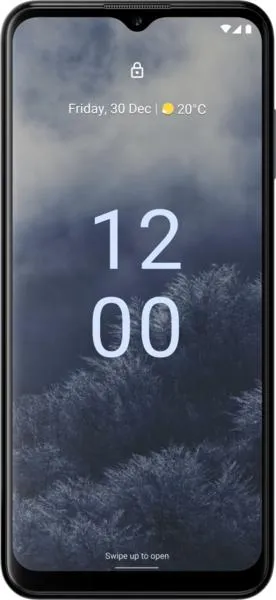
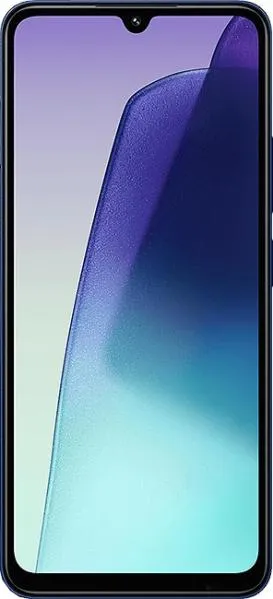
Nokia G60 vs. Xiaomi Redmi 14C: A Detailed Comparison
Let's dive deep into a comparative analysis of the Nokia G60 and the Xiaomi Redmi 14C, dissecting their specifications and uncovering what they truly offer in terms of real-world performance.
1. Specifications Breakdown
| Feature | Nokia G60 | Xiaomi Redmi 14C | Real-World Implications |
|---|---|---|---|
| Design | |||
| Dimensions (mm) | 166 x 75.9 x 8.6 | 171.9 x 77.8 x 8.2 | Redmi 14C is slightly larger and heavier. |
| Weight (g) | 190 | 211 | G60 feels more lightweight in hand. |
| Display | |||
| Size (inches) | 6.58 | 6.88 | Redmi 14C offers a larger screen for media consumption. |
| Resolution (px) | 1080 x 2408 | 720 x 1640 | G60 boasts significantly sharper visuals due to higher resolution. |
| Refresh Rate (Hz) | 120 | 120 | Both phones offer smooth scrolling and animations. |
| Display Type | IPS LCD | IPS LCD | Expect similar color accuracy and viewing angles. |
| Performance | |||
| Chipset | Snapdragon 695 5G | Helio G81 Ultra | G60's Snapdragon offers better performance and 5G connectivity. |
| CPU | Octa-core (2x2.2 GHz & 6x1.7 GHz) | Octa-core (2x2.0 GHz & 6x1.8 GHz) | G60 likely edges out in demanding tasks. |
| RAM (GB) | 4/6 | 4/6/8 | More RAM options available with the Redmi 14C. |
| OS | Android 12 | Android 14 | Redmi 14C comes with a newer Android version out of the box. |
| Camera | |||
| Rear Camera | 50MP + 5MP + 2MP | 50MP + 0.8MP | G60 has a more versatile triple camera setup. |
| Front Camera | 8MP | 13MP | Redmi 14C likely delivers better selfie quality with a higher resolution sensor. |
| Battery Life | |||
| Capacity (mAh) | 4500 | 5160 | Redmi 14C has a larger battery, potentially lasting longer. |
| Charging (W) | 20W | 18W | G60 charges slightly faster despite a smaller battery. |
2. Key Insights
- Performance: The Nokia G60, powered by the Snapdragon 695, coupled with its higher resolution display makes it a clear winner in performance. It also offers 5G connectivity, future-proofing your investment. The Redmi 14C's Helio G81, while capable for everyday tasks, might struggle with more demanding applications and games.
- Display: While the Redmi 14C boasts a larger 6.88-inch display, the G60's 1080p resolution provides a noticeably sharper and more detailed viewing experience. The difference in pixel density (401 ppi vs. 260 ppi) translates to crisper text, images, and videos on the G60. Both offer a 120Hz refresh rate ensuring smooth visuals.
- Camera: The G60's triple camera system with a dedicated ultrawide lens provides greater flexibility for capturing various scenes compared to the Redmi 14C's dual camera setup. However, the Redmi 14C boasts a higher-resolution 13MP front camera, potentially offering superior selfie quality.
- Battery: The Redmi 14C packs a larger 5160mAh battery, likely providing longer usage time between charges. While the G60's 4500mAh battery is smaller, its more efficient processor could potentially offset this difference.
3. User Profiles and Recommendations
- Nokia G60: Best suited for users who prioritize performance, a sharp display, and future-proof 5G connectivity. Ideal for mobile gaming, content creation, and multitasking.
- Xiaomi Redmi 14C: A good option for budget-conscious users who prioritize long battery life and a large screen for media consumption. Suitable for casual browsing, social media, and video streaming.
4. Buying Decision Framework
- Is 5G connectivity a necessity? If yes, the Nokia G60 is the only choice.
- Which matters more: performance and display quality or battery life? Prioritize the G60 for the former and the Redmi 14C for the latter.
- What's your budget? Consider the price difference between the two models and choose the one that offers the best value for your needs.
My Choice: I would choose the Nokia G60. While the Redmi 14C offers a larger battery and a newer version of Android, the G60's superior performance, sharper display, 5G capability, and more versatile camera system are more compelling to me. I value a smooth and responsive user experience, especially for tasks like gaming and multitasking. The future-proof nature of 5G connectivity is also a significant advantage. The slightly higher price of the G60 is justified by the significant performance and feature advantages it offers in the long run.
