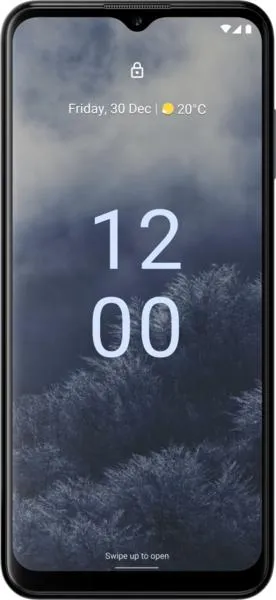
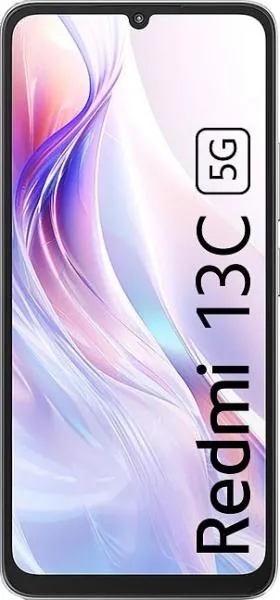
Nokia G60 vs. Xiaomi Redmi 13C 5G: A Detailed Comparison
Let's dive into a head-to-head comparison of the Nokia G60 and the Xiaomi Redmi 13C 5G, dissecting their specs and uncovering what they mean for you, the user.
1. Specifications Breakdown
| Feature | Nokia G60 | Xiaomi Redmi 13C 5G | Real-World Implications |
|---|---|---|---|
| Design | |||
| Dimensions (mm) | 166 x 75.9 x 8.6 | 168 x 78 x 8.1 | G60 slightly thinner, 13C slightly narrower |
| Weight (g) | 190 | 192 | Negligible difference in hand feel |
| Display | |||
| Size (inches) | 6.58 | 6.74 | 13C offers a larger screen |
| Resolution | 1080 x 2408 | 720 x 1600 | G60 significantly sharper (401 vs 260 ppi) – crisper text and images |
| Refresh Rate (Hz) | 120 | 90 | G60 smoother scrolling and animations |
| Display Type | IPS LCD | IPS LCD | Similar color accuracy and viewing angles |
| Performance | |||
| Chipset | Snapdragon 695 5G | Dimensity 6100+ | Both capable for everyday tasks, gaming performance edge to the Dimensity 6100+ |
| CPU | Octa-core (2x2.2 GHz & 6x1.7 GHz) | Octa-core (2x2.2 GHz & 6x2.0 GHz) | Comparable processing power |
| GPU | Adreno 619 | Mali-G57 MC2 | G60 likely better for gaming due to more mature GPU drivers |
| RAM | 4/6GB | 4/6/8GB | More RAM options with the 13C |
| OS | Android 12 (up to Android 15 confirmed) | Android 13 | 13C ships with a newer Android version |
| Camera | |||
| Rear Camera | 50MP + 5MP + 2MP | 50MP + 0.8MP | G60 more versatile with ultrawide and depth sensor |
| Front Camera | 8MP | 5MP | G60 higher resolution selfie camera |
| Battery Life | |||
| Capacity (mAh) | 4500 | 5000 | 13C larger battery capacity, potentially longer battery life |
| Charging | 20W Fast Charging | 18W Fast Charging | Similar charging speeds |
| Other | |||
| NFC | Yes | No | G60 supports contactless payments |
2. Key Insights
- Display: The Nokia G60's higher resolution display is a clear winner. The difference between 401 ppi and 260 ppi is noticeable, resulting in sharper text, images, and videos. While the 13C boasts a slightly larger screen and 90Hz refresh rate, the lower resolution will impact clarity.
- Performance: While both chipsets offer decent performance for daily use, the Dimensity 6100+ generally benchmarks higher in raw performance. However, real-world gaming performance often favors Qualcomm's Adreno GPUs due to better software optimization.
- Camera: The Nokia G60's triple camera system offers more versatility. The ultrawide lens allows for capturing broader scenes, while the depth sensor aids in portrait mode shots. The Redmi 13C's secondary 0.8MP "AI" Lens does not contribute significant photographic utility.
- Battery: The Redmi 13C has a slight edge in battery capacity, but real-world battery life depends heavily on usage patterns and software optimization.
- Software & Updates: Nokia is committed to providing OS and security updates to the G60 until at least 2025 - a major advantage for long-term use. The Redmi 13C's update policy is less clear.
3. User Profiles and Recommendations
- Nokia G60: Best for users who prioritize display quality, camera versatility, software updates, and NFC functionality. Ideal for photography enthusiasts, content consumers, and those who value a longer software support lifecycle.
- Xiaomi Redmi 13C 5G: Best suited for budget-conscious users who prioritize battery life and a large screen size above all else. A good option for basic tasks, media consumption, and those seeking a large display for gaming or video on a tight budget.
4. Buying Decision Framework
- Do you value a sharp, high-resolution display? If yes, the G60 is the clear choice.
- Is a long software update policy important to you? Nokia's commitment to updates makes the G60 a future-proof option.
- Do you need NFC for contactless payments? The G60's NFC functionality is a significant advantage if you rely on tap-to-pay.
My Choice: I would choose the Nokia G60. The superior display, guaranteed software updates, NFC functionality, and more versatile camera system outweigh the Redmi 13C's larger battery and slightly faster processor for my personal needs. I prioritize a smooth, visually engaging experience and the peace of mind that comes with long-term software support. The price difference is justified by these crucial advantages.
