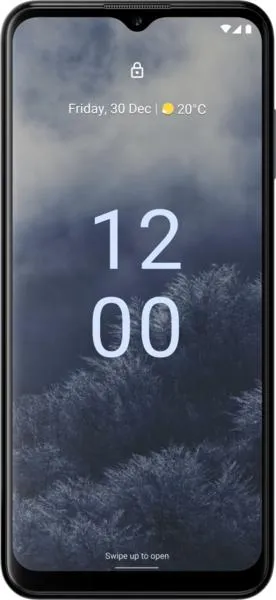
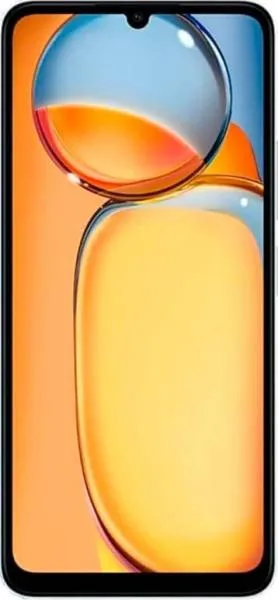
Nokia G60 vs. Xiaomi Redmi 13C: A Deep Dive for the Discerning Smartphone User
The mid-range smartphone market is a battlefield, and two contenders vying for your attention are the Nokia G60 and the Xiaomi Redmi 13C. Let's dissect their specifications and uncover what truly sets them apart.
1. Specifications Breakdown
| Feature | Nokia G60 | Xiaomi Redmi 13C | Real-World Implications |
|---|---|---|---|
| Design | |||
| Dimensions (mm) | 166 x 75.9 x 8.6 | 168 x 78 x 8.1 | Nokia G60 slightly more compact. Negligible difference in daily use. |
| Weight (g) | 190 | 192 | Virtually identical; both feel substantial in hand. |
| Build Materials | unspecified | unspecified | Durability and premium feel remain unknown without further information. |
| Display | |||
| Size (inches) | 6.58 | 6.74 | Redmi 13C offers a larger screen for more immersive media consumption. |
| Resolution (px) | 1080 x 2408 | 720 x 1600 | Nokia G60 boasts significantly sharper visuals (401 ppi vs. 260 ppi), crucial for text clarity and image detail. |
| Refresh Rate (Hz) | 120 | 90 | G60's higher refresh rate ensures smoother scrolling and animations, enhancing responsiveness. |
| Display Type | IPS LCD | IPS LCD | Both offer good color reproduction and viewing angles, but lack the deep blacks and vibrant colors of OLED displays. |
| Performance | |||
| Chipset | Snapdragon 695 5G (6 nm) | MediaTek Helio G85 (12 nm) | G60's Snapdragon chip generally offers better performance and power efficiency, especially for gaming and demanding tasks. |
| CPU | Octa-core (2x2.2 GHz & 6x1.7 GHz) | Octa-core (2x2.0 GHz & 6x1.8 GHz) | G60 likely to edge out Redmi 13C in processing power, though both are sufficient for everyday tasks. |
| RAM (GB) | 4/6 | 4/6/8 | Redmi 13C offers a higher RAM configuration, but without further details about memory technology, practical impact is hard to assess. |
| OS | Android 12 (upgradable to Android 15) | Android 13 | G60 has a confirmed upgrade path which is a big plus for long-term use. |
| Camera | |||
| Rear Camera | 50MP (wide) + 5MP (ultrawide) + 2MP (depth) | 50MP (wide) + 2MP (macro) + 0.08MP(Unknown) | Both have a 50MP main sensor, but the G60's ultrawide lens offers more versatility than the Redmi 13C's macro lens. |
| Front Camera | 8MP | 5MP | G60 likely to produce better selfie images. |
| Battery Life | |||
| Capacity (mAh) | 4500 | 5000 | Redmi 13C boasts a larger battery, suggesting potentially longer usage time. |
| Charging | 20W fast charging | 18W fast charging | Both offer reasonably fast charging, minimizing downtime. |
2. Key Insights
- Display: The Nokia G60's higher resolution and refresh rate provide a noticeably smoother and sharper visual experience.
- Performance: The Snapdragon 695 in the G60 delivers superior performance and efficiency compared to the Helio G85. This will be most apparent in demanding tasks and gaming.
- Camera: While both phones feature a 50MP main sensor, the G60's ultrawide lens provides greater creative flexibility.
- Battery: The Redmi 13C has a larger battery capacity, which might translate to longer battery life, but real-world usage will depend on optimization. The Nokia G60's more efficient processor may help to close the gap.
- Software and 5G: The G60 supports 5G connectivity, a crucial feature for future-proofing. The promised upgrade path for the Nokia phone is also a major advantage for long-term use. The Redmi 13C lacks 5G support and its software support future is unclear.
3. User Profiles and Recommendations
Nokia G60: Best suited for users who prioritize performance, a smooth display, and future-proof features like 5G and long-term Android updates. Ideal for moderate gaming, multitasking, and media consumption.
Xiaomi Redmi 13C: A budget-friendly option for users primarily focused on basic tasks like calling, texting, social media browsing, and casual photography. The larger battery is appealing for those needing extended usage time.
4. Buying Decision Framework
- Is 5G connectivity and a guaranteed software update path important to you? If yes, the Nokia G60 is the clear winner.
- What is your budget? The Redmi 13C is significantly more affordable.
- What are your primary smartphone usage patterns? For demanding tasks and gaming, the G60 is superior; for basic usage, the Redmi 13C is sufficient.
My Choice: I would choose the Nokia G60. While the Redmi 13C offers a tempting price and larger battery, the G60's superior performance, sharper display, 5G connectivity, and guaranteed Android updates make it a much better long-term investment. The smoother user experience and future-proof features outweigh the price difference and larger battery of the Redmi 13C for me. I value a phone that will remain performant and relevant for several years, and the G60 delivers on that promise.
