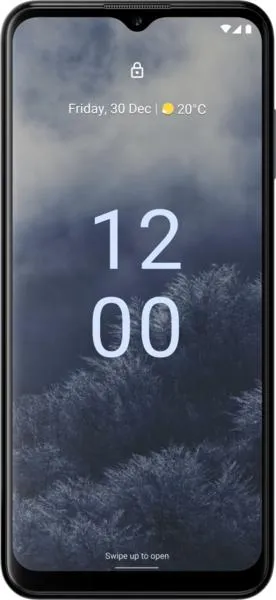
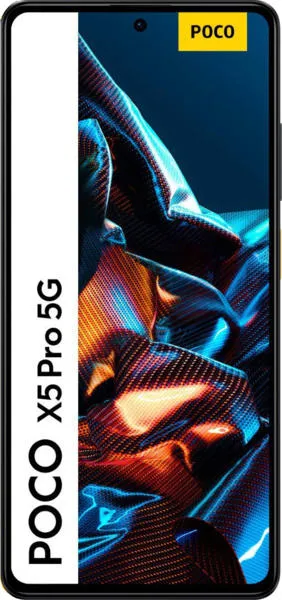
Let's dive into a comparative analysis of the Nokia G60 and the Xiaomi Poco X5 Pro, dissecting their technical specifications and translating them into real-world implications for you.
1. Specifications Breakdown
| Feature | Nokia G60 | Xiaomi Poco X5 Pro | Real-World Implications |
|---|---|---|---|
| Design | |||
| Dimensions (mm) | 166 x 75.9 x 8.6 | 162.9 x 76 x 7.9 | Poco X5 Pro is slightly more compact and thinner. |
| Weight (g) | 190 | 181 | Poco X5 Pro feels lighter in hand. |
| Display | |||
| Type | IPS LCD | AMOLED | Poco X5 Pro offers deeper blacks, more vibrant colors, and better power efficiency due to individual pixel illumination. |
| Size | 6.58" | 6.67" | Poco X5 Pro has a slightly larger display. |
| Resolution | 1080x2408 | 1080x2400 | Virtually identical pixel density, resulting in sharp visuals on both. |
| Refresh Rate | 120Hz | 120Hz | Both offer smooth scrolling and animations. |
| HDR | No | HDR10+, Dolby Vision | Poco X5 Pro supports HDR content for a wider dynamic range and richer visuals in compatible media. |
| Performance | |||
| Chipset | Snapdragon 695 | Snapdragon 778G | Poco X5 Pro boasts a significantly more powerful processor, leading to smoother multitasking, faster app loading, and better gaming. |
| CPU | Octa-core (2.2 GHz) | Octa-core (2.4 GHz) | Poco X5 Pro's higher clock speed contributes to its superior performance. |
| GPU | Adreno 619 | Adreno 642L | Poco X5 Pro's GPU provides a noticeable boost in graphics performance for demanding games and applications. |
| RAM | 4/6GB | 6/8GB | Poco X5 Pro generally offers more RAM, further enhancing multitasking capabilities. |
| Camera | |||
| Main Camera | 50MP | 108MP | Poco X5 Pro boasts higher resolution, potentially capturing more detail. However, megapixels aren't everything; image processing matters. |
| Video Recording | 1080p@30fps | 4K@30fps | Poco X5 Pro supports 4K video recording for higher resolution footage. |
| Battery Life | |||
| Capacity | 4500mAh | 5000mAh | Poco X5 Pro offers a larger battery capacity, potentially translating to longer usage time. |
| Fast Charging | 20W | 67W | Poco X5 Pro charges significantly faster. |
2. Key Insights
The Nokia G60 focuses on durability and sustainability with its three years of OS and security updates and a rugged build. It's a reliable workhorse for everyday tasks but not a performance powerhouse.
The Xiaomi Poco X5 Pro prioritizes performance and multimedia consumption. Its superior processor, AMOLED display with HDR support, and enhanced camera capabilities make it a strong contender for gamers and content creators.
3. User Profiles and Recommendations
Nokia G60: Best suited for users who value longevity, software updates, and reliability over raw performance. Ideal for casual users, budget-conscious buyers, and those seeking a sustainable option.
Xiaomi Poco X5 Pro: Best for users who prioritize performance, gaming, multimedia consumption, and photography. A great choice for tech enthusiasts, content creators, and mobile gamers.
4. Buying Decision Framework
Questions to consider:
- What is your budget? The G60 is generally more affordable.
- What are your primary use cases? Gaming and media? Poco X5 Pro. Everyday tasks and long-term use? G60.
- How important is camera quality and video recording resolution? The Poco X5 Pro offers a significant advantage here.
My Choice: Xiaomi Poco X5 Pro
While I appreciate the Nokia G60's commitment to sustainability and long-term software support, as a tech enthusiast, I lean towards the Xiaomi Poco X5 Pro. Its superior performance, vibrant AMOLED display with HDR, faster charging, and more capable camera system are compelling. The performance difference between the Snapdragon 695 and 778G is substantial, particularly for gaming and demanding applications, which are important to me. The significantly faster charging speed of the Poco X5 Pro is also a major plus in my fast-paced life. While the price difference might exist, the performance and feature upgrades offered by the Poco X5 Pro make it a more compelling device for my needs.
