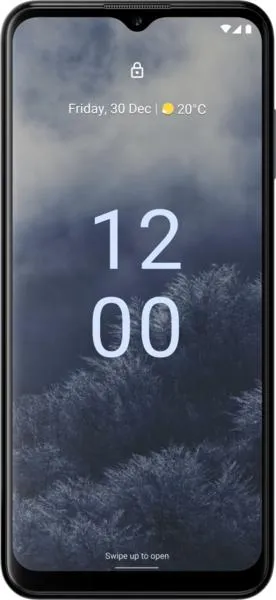
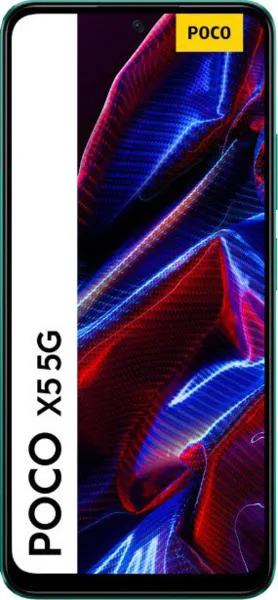
Let's dive into a comparative analysis of the Nokia G60 and the Xiaomi Poco X5, dissecting their specifications and uncovering what they truly offer users in the real world.
Nokia G60 vs. Xiaomi Poco X5: A Comparative Analysis
Both the Nokia G60 and Xiaomi Poco X5 aim for the mid-range smartphone market, but their subtle differences in specifications cater to distinct user preferences. Let's break down their features and see how they stack up.
1. Specifications Breakdown
| Feature | Nokia G60 | Xiaomi Poco X5 | Real-World Implications |
|---|---|---|---|
| Design | |||
| Dimensions (mm) | 166 x 75.9 x 8.6 | 165.9 x 76.2 x 8 | Poco X5 is slightly thinner and lighter, potentially feeling more comfortable for extended use. |
| Weight (g) | 190 | 189 | Negligible difference in weight. |
| Build Materials | N/A | N/A | Durability and premium feel are unclear without this information. |
| Display | |||
| Type | IPS LCD | AMOLED | Poco X5's AMOLED offers richer colors, deeper blacks, and better power efficiency. |
| Size | 6.58" | 6.67" | Poco X5 provides a slightly larger screen for more immersive content consumption. |
| Resolution | 1080 x 2408 | 1080 x 2400 | Virtually identical pixel density; sharpness will be similar on both. |
| Refresh Rate | 120Hz | 120Hz | Both offer smooth scrolling and animations. |
| Peak Brightness | N/A | 1200 nits | Poco X5's significantly higher peak brightness ensures better visibility in direct sunlight. |
| Performance | |||
| Chipset | Snapdragon 695 5G | Snapdragon 695 5G | Identical chipset points to similar performance capabilities. |
| CPU | Octa-core | Octa-core | Same CPU architecture suggests comparable processing power for everyday tasks. |
| GPU | Adreno 619 | Adreno 619 | Equal GPU performance; gaming experiences should be largely similar. |
| RAM | 4/6GB | 6/8GB | Poco X5 generally offers more RAM, enabling better multitasking and smoother performance with demanding apps. |
| Camera | |||
| Main Camera | 50MP | 48MP | Nokia G60 has a slightly higher resolution main sensor, but real-world image quality depends on many factors. |
| Ultrawide | 5MP | 8MP | Poco X5 likely offers a wider field of view with its ultrawide lens. |
| Selfie Camera | 8MP | 13MP | Poco X5 boasts a higher resolution selfie camera, potentially capturing more detail. |
| Battery Life | |||
| Capacity | 4500mAh | 5000mAh | Poco X5's larger battery suggests longer usage on a single charge. |
| Fast Charging | 20W | 33W | Poco X5 supports significantly faster charging, minimizing downtime. |
2. Key Insights
- Display: The Poco X5's AMOLED display is a clear winner, offering vibrant colors and superior contrast. The higher peak brightness makes it more usable outdoors.
- Performance: While both phones share the same chipset, the Poco X5's larger RAM options provide a performance edge for heavy multitasking.
- Camera: The megapixel count difference in the main cameras might not translate directly to better photos. Real-world performance will depend on sensor quality, image processing, and software optimization. The Poco X5's higher resolution selfie camera and wider ultrawide lens are tangible benefits.
- Battery: The Poco X5's combination of a larger battery and faster charging provides a significant advantage for users who demand all-day battery life and minimal charging time.
3. User Profiles and Recommendations
- Nokia G60: Suitable for users prioritizing a clean Android experience and potentially longer software updates (Nokia is known for good update support).
- Xiaomi Poco X5: Best for users who value a vibrant display, strong performance, long battery life, and fast charging. Multimedia enthusiasts and gamers would lean towards the Poco X5.
4. Buying Decision Framework
- Is display quality a top priority? If yes, the Poco X5's AMOLED is the clear choice.
- How important is battery life and charging speed? The Poco X5 excels in both areas.
- What is your budget and required storage? Consider the RAM and storage variants available for each phone and compare pricing.
My Choice: I would choose the Xiaomi Poco X5. The superior AMOLED display, larger battery with faster charging, and generally higher RAM options make it a more compelling overall package for my needs. While I appreciate Nokia's commitment to software updates, the Poco X5's hardware advantages are more significant in my daily usage. The brighter screen, longer battery life, and faster charging significantly enhance my user experience.
