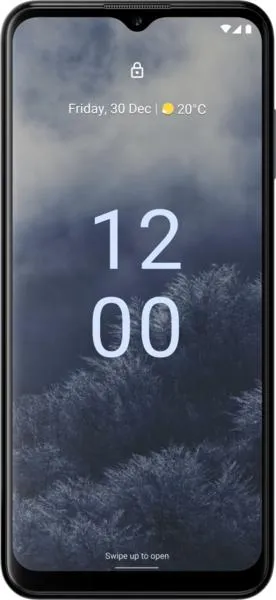
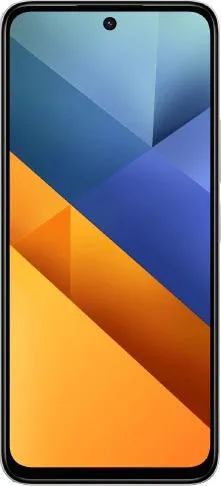
Let's dive into a comparative analysis of the Nokia G60 and the Xiaomi Poco M6 4G, dissecting their specifications and uncovering what they truly offer the everyday user.
1. Specifications Breakdown
| Feature | Nokia G60 | Xiaomi Poco M6 4G | Real-World Implications |
|---|---|---|---|
| Design | |||
| Dimensions (mm) | 166x75.9x8.6 | 168.6x76.3x8.3 | Poco M6 4G is slightly larger and thinner. Negligible difference in everyday handling. |
| Weight (g) | 190 | 205 | Poco M6 4G is slightly heavier, but unlikely to be noticeable. |
| Display | |||
| Size (inches) | 6.58 | 6.79 | Poco M6 4G offers a larger screen for more immersive media consumption. |
| Resolution (px) | 1080x2408 | 1080x2460 | Virtually identical sharpness. |
| Refresh Rate (Hz) | 120 | 90 | Nokia G60's higher refresh rate provides smoother scrolling and animations, leading to a more fluid user experience. |
| Panel Type | IPS LCD | IPS LCD | Similar display technology; expect comparable color accuracy and viewing angles. |
| Performance | |||
| Chipset | SD 695 5G | Helio G91 | Nokia G60's Snapdragon chip generally offers better performance and 5G connectivity, though real-world difference might be less significant. |
| CPU | Octa-core | Octa-core | Both offer capable multi-tasking, but benchmark tests would reveal the finer performance differences. |
| RAM (GB) | 4/6 | 6/8 | Poco M6 4G offers larger RAM options for improved multitasking and app switching. |
| Camera | |||
| Main Camera (MP) | 50 | 108 | Poco M6 4G boasts higher resolution, potentially capturing more detail, but image quality depends heavily on sensor and processing. |
| Selfie Camera (MP) | 8 | 13 | Poco M6 4G offers a higher resolution selfie camera. |
| Battery Life | |||
| Capacity (mAh) | 4500 | 5030 | Poco M6 4G has a significantly larger battery, likely translating to longer usage time. |
| Fast Charging (W) | 20 | 33 | Poco M6 4G supports faster charging, reducing downtime. |
| Other | |||
| OS | Android 12 | Android 14 | Poco M6 4G ships with a newer Android version, offering potential feature and security advantages. |
| 5G | Yes | No | Nokia G60 offers future-proofing with 5G connectivity. |
| Price | Medium | Low | Poco M6 4G is positioned in a lower price bracket. |
2. Key Insights
- Performance: While benchmarks would provide a clearer picture, the Nokia G60 with the Snapdragon 695 and higher refresh rate display likely edges out the Poco M6 4G in fluidity and responsiveness, especially for gaming or demanding tasks. The Poco M6 4G counters with larger RAM options, beneficial for heavy multitaskers.
- Camera: The Poco M6 4G's 108MP main camera sensor is enticing on paper, but real-world performance will depend on factors beyond resolution. The Nokia G60's camera system, while lower in resolution, might surprise with its overall image quality.
- Battery: The Poco M6 4G's substantially larger battery and faster charging are clear winners for endurance and convenience.
- Future-proofing: The Nokia G60's 5G capability is a significant advantage for long-term use, ensuring compatibility with evolving network infrastructure.
3. User Profiles and Recommendations
- Nokia G60: Suited for users who prioritize a smooth, responsive experience, value 5G connectivity, and appreciate a robust build. Ideal for moderate gaming, multitasking, and those seeking a phone that stays relevant for longer.
- Xiaomi Poco M6 4G: Best for users who primarily consume media, prioritize long battery life, and are on a tighter budget. Excellent for social media, browsing, and casual photography.
4. Buying Decision Framework
- Is 5G connectivity crucial? If yes, the Nokia G60 is the only option.
- What's your budget? The Poco M6 4G provides excellent value in the lower price range.
- What's your primary usage? Heavy multitasking and gaming lean towards the Nokia G60; media consumption and extended battery life favor the Poco M6 4G.
My Choice: I would personally choose the Nokia G60. While the Poco M6 4G offers a compelling battery and price, I prioritize the smoother performance offered by the 120Hz display and Snapdragon chipset. The inclusion of 5G ensures the phone remains relevant for longer, justifying the higher price point for my needs. The slightly smaller battery is a trade-off I'm willing to make for the performance and future-proofing benefits. I also value the promise of longer software support and durability that often comes with Nokia devices.
