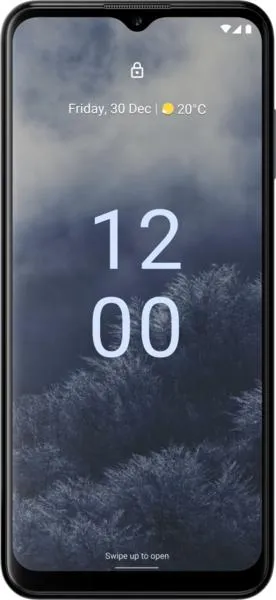
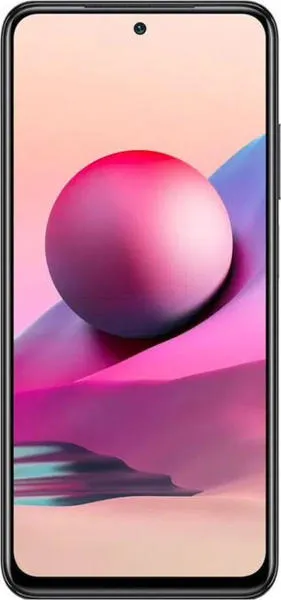
Nokia G60 vs. Xiaomi Poco M5s: A Detailed Comparison
Let's dive deep into a comparative analysis of the Nokia G60 and the Xiaomi Poco M5s, dissecting their specifications and uncovering what they truly offer in real-world usage.
1. Specifications Breakdown
| Feature | Nokia G60 | Xiaomi Poco M5s | Real-World Implications |
|---|---|---|---|
| Design | |||
| Dimensions (mm) | 166 x 75.9 x 8.6 | 160.5 x 74.5 x 8.3 | Poco M5s is slightly more compact and lighter, potentially offering better one-handed usability. |
| Weight (g) | 190 | 178.8 | Noticeable difference in hand feel; Poco M5s will feel less bulky. |
| Display | |||
| Type | IPS LCD, 120Hz | AMOLED | AMOLED generally offers richer colors, deeper blacks, and better power efficiency. |
| Size (inches) | 6.58 | 6.43 | Negligible difference in screen real estate. |
| Resolution (px) | 1080 x 2408 | 1080 x 2400 | Virtually identical sharpness; both offer crisp visuals. |
| Refresh Rate (Hz) | 120 | (Unspecified - likely 60) | Nokia G60's 120Hz provides smoother scrolling and animations, enhancing the user experience. |
| Performance | |||
| Chipset | Snapdragon 695 5G (6nm) | Helio G95 (12nm) | Snapdragon 695 generally offers better performance and power efficiency due to its smaller node. |
| CPU | Octa-core (2.2 GHz & 1.7 GHz) | Octa-core (2.05 GHz & 2.0 GHz) | Nokia G60 likely has a slight edge in processing power. |
| GPU | Adreno 619 | Mali-G76 MC4 | Adreno 619 provides decent gaming performance, but Mali-G76 MC4 might offer slightly better graphics. |
| RAM (GB) | 4/6 | 4/6/8 | More RAM options with the Poco M5s, allowing for better multitasking. |
| Camera | |||
| Rear Main (MP) | 50 | 64 | Poco M5s boasts higher resolution, potentially capturing more detail. |
| Front (MP) | 8 | 13 | Poco M5s offers a higher resolution selfie camera. |
| Video | 1080p@30fps | 4K@30fps, 1080p@120fps | Poco M5s provides more versatile video recording options. |
| Battery | |||
| Capacity (mAh) | 4500 | 5000 | Poco M5s offers a larger battery, potentially translating to longer usage time. |
| Fast Charging (W) | 20 | 33 | Poco M5s charges significantly faster. |
2. Key Insights
- Display: The Poco M5s' AMOLED display delivers vibrant colors and deep blacks, ideal for media consumption. The Nokia G60's 120Hz IPS LCD, however, provides a noticeably smoother user experience, especially in gaming and scrolling.
- Performance: While both phones offer decent performance for everyday tasks, the Nokia G60, with its Snapdragon 695 and smaller node size, likely holds a slight edge in overall speed and efficiency. The Poco M5s offers more RAM options, beneficial for heavy multitaskers.
- Camera: The Poco M5s boasts higher resolution sensors for both front and rear cameras, promising more detailed photos and videos. Its ability to record 4K video and 1080p slow-motion at 120fps gives it a clear advantage in video capabilities.
- Battery: The Poco M5s packs a larger 5000mAh battery and faster 33W charging, making it the clear winner in terms of battery life and charging speed.
3. User Profiles and Recommendations
- Nokia G60: Best suited for users prioritizing a smooth and responsive user experience, thanks to its 120Hz display. Also a good choice for those who value 5G connectivity and slightly better overall performance.
- Xiaomi Poco M5s: Ideal for users who prioritize battery life, camera quality, and vibrant visuals. The faster charging is a bonus for those constantly on the go. The various RAM options cater to different needs and budgets.
4. Buying Decision Framework
- Do you prioritize a smooth display or vibrant colors and battery life? 120Hz is a game changer for smoothness, but AMOLED offers richer visuals and the Poco M5s has much better battery life.
- Is 5G connectivity essential for you? The Nokia G60 offers 5G, while the Poco M5s is limited to 4G.
- What's your budget? The Poco M5s generally falls into a lower price bracket, offering excellent value for its features.
My Choice: Xiaomi Poco M5s
While the Nokia G60's 120Hz refresh rate is tempting, the Xiaomi Poco M5s wins me over with its compelling combination of a vibrant AMOLED display, larger battery with significantly faster charging, a higher-resolution camera system capable of 4K video, and a more attractive price point. As someone who consumes a lot of media and values battery life, the Poco M5s aligns better with my personal needs. The trade-off of a 60Hz display is acceptable considering the other advantages. The availability of 8GB RAM is a bonus for future-proofing. Ultimately, the Poco M5s provides a well-rounded package that delivers exceptional value.
