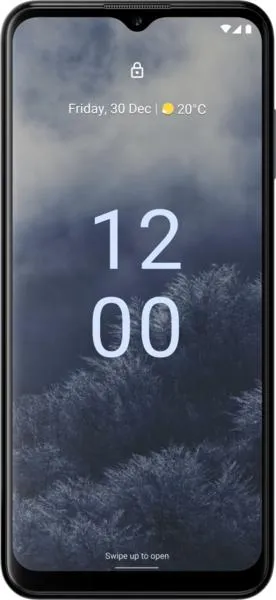
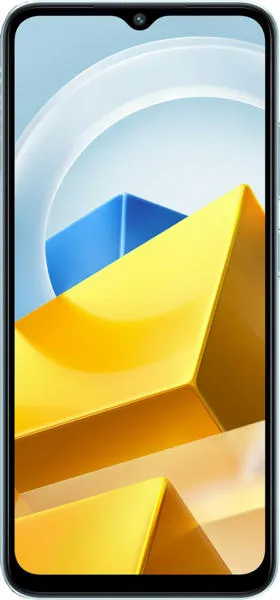
Nokia G60 vs. Xiaomi Poco M5: A Practical Comparison for the Discerning Smartphone User
Choosing the right smartphone involves navigating a sea of specifications. Let's cut through the noise and compare the Nokia G60 and Xiaomi Poco M5, focusing on what truly matters to you, the user.
1. Specifications Breakdown
| Feature | Nokia G60 | Xiaomi Poco M5 | Real-World Implications |
|---|---|---|---|
| Design | |||
| Dimensions (mm) | 166 x 75.9 x 8.6 | 164 x 76.1 x 8.9 | Poco M5 is slightly more compact. Negligible difference in daily use. |
| Weight (g) | 190 | 201 | Poco M5 is slightly heavier, but again, the difference is minimal. |
| Display | |||
| Size (inches) | 6.58 | 6.58 | Identical screen sizes. |
| Resolution | 1080 x 2408 | 1080 x 2408 | Both offer sharp Full HD+ visuals. |
| Refresh Rate (Hz) | 120 | 90 | Nokia G60's higher refresh rate provides smoother scrolling and animations, especially noticeable in gaming. |
| Display Type | IPS LCD | IPS LCD | Both use power-efficient LCD technology, expect vibrant colors but potentially less contrast than OLED. |
| Performance | |||
| Chipset | Snapdragon 695 5G | Helio G99 | Both are mid-range chipsets; Snapdragon 695 generally offers slightly better performance and 5G connectivity. |
| CPU | Octa-core (2x2.2 GHz & 6x1.7 GHz) | Octa-core (2x2.2 GHz & 6x2.0 GHz) | Comparable CPU performance, day-to-day tasks should feel similar. |
| GPU | Adreno 619 | Mali-G57 MC2 | Adreno 619 typically edges out the Mali-G57 in graphics performance, giving the Nokia G60 an advantage in gaming. |
| RAM | 4/6GB | 4/6GB | RAM options are equal; 6GB provides smoother multitasking. |
| Camera | |||
| Main Camera (MP) | 50 | 50 | Similar resolution, image quality will depend on sensor and software processing – a deeper dive into camera samples is needed. |
| Secondary Cameras | 5MP Wide, 2MP Depth | 2MP Macro, 2MP Depth | Poco M5 offers a dedicated macro lens, while the Nokia G60 includes a wider-angle lens - preference depends on your shooting style. |
| Battery Life | |||
| Capacity (mAh) | 4500 | 5000 | Poco M5 boasts a larger battery, potentially translating to longer usage time. Real-world battery life depends on usage patterns. |
| Charging (W) | 20W | 18W | Nokia G60 supports slightly faster charging. |
2. Key Insights
- Performance Edge: The Nokia G60, with its Snapdragon 695 and 120Hz display, provides a smoother and potentially more powerful user experience, especially for gaming.
- Battery Champion: The Poco M5's larger 5000mAh battery likely offers extended usage time, crucial for heavy users.
- Connectivity: The Nokia G60 supports 5G, future-proofing your connectivity, while the Poco M5 is limited to 4G.
- Camera Trade-offs: Both phones have 50MP main cameras, but secondary lens choices cater to different needs: wide-angle on the G60 vs. macro on the Poco M5.
3. User Profiles and Recommendations
- Nokia G60: Suited for users who prioritize a fluid user experience, gaming performance, and future-proof 5G connectivity. The slightly higher price is justified by these advantages.
- Xiaomi Poco M5: Best for budget-conscious users who value long battery life and occasionally use the macro camera. It’s a solid choice for everyday tasks and media consumption.
4. Buying Decision Framework
- Is 5G connectivity a priority for you? If yes, the Nokia G60 is the clear winner.
- How important is smooth scrolling and gaming performance? If crucial, the G60's 120Hz display and Snapdragon 695 offer a noticeable advantage.
- Are you a heavy user who needs maximum battery life? The Poco M5's larger battery might be the deciding factor.
My Choice: I would choose the Nokia G60. While the Poco M5 offers compelling value with its larger battery, I prioritize the smoother performance provided by the 120Hz display and the future-proofing of 5G connectivity. The slightly faster processor in the G60 would also be beneficial for tasks like mobile photography editing and ensuring a fluid experience over time as apps become more demanding. The potential trade-off in battery life is acceptable to me for the overall enhanced user experience. Moreover, the inclusion of a wider-angle lens on the G60 aligns better with my photography preferences compared to a dedicated macro lens.
