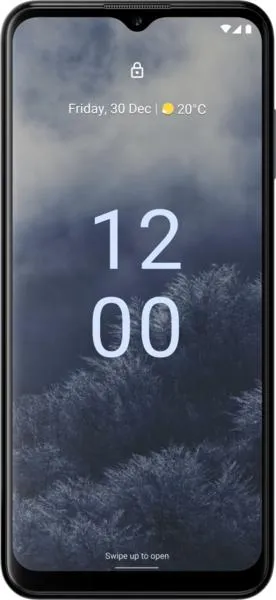

Nokia G60 vs. Sony Xperia 10 V: A Deep Dive for the Discerning Smartphone User
Let's cut through the marketing fluff and get down to brass tacks. We're comparing the Nokia G60 and the Sony Xperia 10 V, two mid-range contenders vying for your attention. I've spent time dissecting their specs and translating them into real-world implications, so you can choose the phone that truly fits your needs.
1. Specifications Breakdown
| Feature | Nokia G60 | Sony Xperia 10 V | Real-World Implications |
|---|---|---|---|
| Design | |||
| Dimensions (mm) | 166x75.9x8.6 | 155x68x8.3 | Xperia 10 V is noticeably more compact and lighter, making it easier to pocket and handle. |
| Weight (g) | 190 | 159 | Lighter phone enhances one-handed usability and reduces fatigue during extended use. |
| Display | |||
| Type | IPS LCD | OLED | Xperia 10 V's OLED offers deeper blacks, richer colors, and potentially better power efficiency. Nokia G60's IPS LCD might offer better visibility in bright sunlight. |
| Size (inches) | 6.58 | 6.1 | G60 provides a larger screen for media consumption; Xperia 10 V offers a more compact form factor. |
| Resolution | 1080x2408 | 1080x2520 | Both offer sharp visuals, but the Xperia 10 V boasts a slightly higher pixel density due to its smaller screen size. |
| Refresh Rate | 120Hz | Unspecified | G60's 120Hz delivers smoother scrolling and animations. Lack of specification for the Xperia suggests a standard 60Hz refresh rate. |
| Performance | |||
| Chipset | Snapdragon 695 | Snapdragon 695 | Identical chipsets suggest similar performance capabilities, targeting efficiency over raw power. |
| RAM | 4/6GB | 8GB | Xperia 10 V's 8GB RAM enables smoother multitasking and handling of demanding applications compared to the 4/6GB options in the G60. |
| OS | Android 12 | Android 13 | Xperia 10 V ships with a newer Android version, offering potential feature and security advantages, and likely an upgrade path to Android 14. |
| Camera | |||
| Main Camera | 50MP | 48MP | Megapixel count isn't everything; image quality depends on sensor size, aperture, and processing. Xperia 10 V boasts OIS for potentially better low-light shots. |
| Video | 1080p@30fps | 1080p@30fps | Both offer basic video recording capabilities. |
| Battery Life | |||
| Capacity (mAh) | 4500 | 5000 | Xperia 10 V's larger battery capacity suggests longer usage time between charges. |
2. Key Insights
- Performance Parity: Both phones use the same Snapdragon 695, so day-to-day tasks should feel similar. However, the Xperia 10 V's 8GB RAM gives it a clear edge in multitasking and future-proofing.
- Display Dilemma: The G60's larger IPS LCD with 120Hz refresh rate suits media consumption. The Xperia 10 V's OLED offers vibrant colors and deeper blacks, ideal for content creators and media enthusiasts, but lacks the higher refresh rate.
- Camera Considerations: While megapixel counts differ slightly, the Xperia 10 V's inclusion of Optical Image Stabilization (OIS) could significantly improve low-light photography and video stability. OIS is a major advantage for casual photographers.
- Battery Battle: The Xperia 10 V's 5000mAh battery likely outlasts the G60's 4500mAh. For power users, this difference could be significant.
3. User Profiles and Recommendations
- Nokia G60: Best for budget-conscious users who prioritize a large, smooth display for media and gaming. Its durable design adds value for those seeking longevity.
- Sony Xperia 10 V: Ideal for users who value a compact, lightweight design, vibrant OLED display, better camera capabilities (due to OIS), and extended battery life. This phone caters to a more discerning user who appreciates quality over sheer size.
4. Buying Decision Framework
- What's your budget? Both are mid-range, but prices can vary. Find the best deal available in your region.
- What screen experience matters most? Large and smooth (G60) or compact and vibrant (Xperia 10 V)?
- How important is camera quality and battery life? The Xperia 10 V holds the advantage in both areas.
My Choice: The Sony Xperia 10 V
While the Nokia G60 offers a compelling package, I'd choose the Sony Xperia 10 V. The combination of a compact design, stunning OLED display, superior camera with OIS, longer battery life, and extra RAM makes it a more well-rounded device. While the G60's 120Hz refresh rate is tempting, the overall user experience offered by the Xperia 10 V, especially in terms of image quality and longevity (thanks to the larger battery and extra RAM), edges it out for me. It feels like a more premium and future-proof device.
