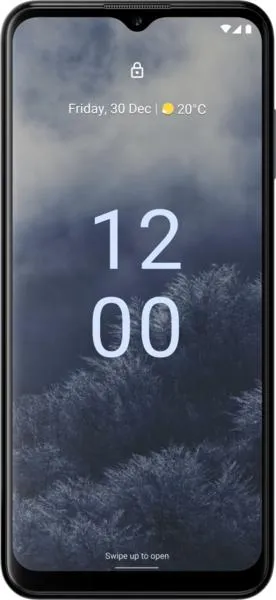
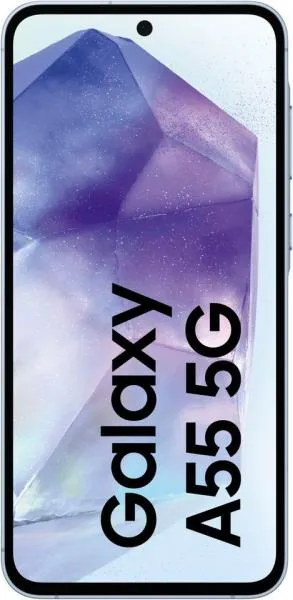
Let's dive into a comparative analysis of the Nokia G60 and the Samsung Galaxy A55, dissecting their specifications and uncovering what they truly offer users in the real world.
1. Specifications Breakdown
| Feature | Nokia G60 | Samsung Galaxy A55 | Real-World Implications |
|---|---|---|---|
| Design | |||
| Dimensions (mm) | 166 x 75.9 x 8.6 | 161.1 x 77.4 x 8.2 | A55 is slightly more compact and thinner. |
| Weight (g) | 190 | 213 | Noticeable difference in hand feel; G60 lighter, A55 might feel more substantial. |
| Display | |||
| Type | IPS LCD | Super AMOLED | A55 boasts richer colors, deeper blacks, and better contrast leading to a more vibrant viewing experience. G60's LCD is generally less power-hungry. |
| Size (inches) | 6.58 | 6.6 | Negligible size difference in real-world usage. |
| Refresh Rate (Hz) | 120 | 120 | Both offer smooth scrolling and animations. |
| Resolution | 1080 x 2408 | 1080 x 2340 | Virtually identical sharpness; pixel density differences are imperceptible. |
| Performance | |||
| Chipset | Snapdragon 695 | Exynos 1480 | A55's Exynos 1480, being newer (4nm vs 6nm process), likely offers better performance and efficiency, especially in graphics-intensive tasks and sustained use. |
| CPU | Octa-core | Octa-core | Both have comparable CPU configurations, though architectural differences (Kryo vs Cortex) will influence real-world speed and efficiency. |
| RAM (GB) | 4/6 | 8/12 | A55 offers significantly more RAM, enabling better multitasking and smoother performance with demanding apps. |
| OS | Android 12 | Android 14 | A55 ships with a newer OS, offering potential feature advantages and longer software support. G60 may receive updates, but this is not guaranteed. |
| Camera | |||
| Main Camera (MP) | 50 | 50 | Comparable resolution; however, sensor quality and image processing will significantly impact actual photo quality. Look for reviews with sample images. |
| OIS | No | Yes | A55's optical image stabilization (OIS) will result in noticeably smoother videos and potentially better low-light photos. |
| Battery Life | |||
| Capacity (mAh) | 4500 | 5000 | A55 has a larger battery capacity, potentially translating to longer usage time. However, real-world battery life depends heavily on usage patterns and optimization. |
2. Key Insights
- Display: The Samsung A55's Super AMOLED display is a clear winner, offering vibrant visuals and deeper blacks.
- Performance: The A55 pulls ahead with its newer and more powerful Exynos 1480 chipset and more generous RAM options. This translates to smoother multitasking, better gaming performance, and potentially longer-term viability due to the more efficient 4nm process.
- Camera: While both have 50MP main cameras, the A55 benefits significantly from Optical Image Stabilization (OIS), leading to superior video quality and improved low-light performance.
- Software: The A55 ships with Android 14 and a promise of longer updates, giving it an edge in terms of features and longevity.
- Battery: While the A55 has a larger battery, real-world battery life will depend on individual usage patterns.
3. User Profiles and Recommendations
- Nokia G60: Best suited for budget-conscious users who prioritize a lighter phone, decent performance for everyday tasks, and a long-lasting battery (although we need real-world tests to confirm this). Its commitment to software updates, though less extensive than the A55, is commendable.
- Samsung Galaxy A55: Ideal for users who value a vibrant display, smoother performance for demanding tasks and gaming, a superior camera with OIS, and the latest Android features with extended software support.
4. Buying Decision Framework
- What is your budget? The G60 is likely to be more affordable.
- Are you a heavy user or gamer? The A55's superior performance will be crucial for a smooth experience.
- How important is camera quality? The A55's OIS is a game-changer for video and low-light photography.
My Choice: Samsung Galaxy A55
While the Nokia G60 offers good value, the Samsung Galaxy A55 is the superior device overall. The combination of a stunning AMOLED display, a more powerful processor, OIS for the camera, longer software support with Android 14, and a bigger battery creates a more compelling package. The performance difference, in particular, combined with the superior camera and display, makes the A55 a more future-proof choice. While price is a factor, the A55's advantages justify the likely price premium for most users seeking a well-rounded mid-range smartphone.
