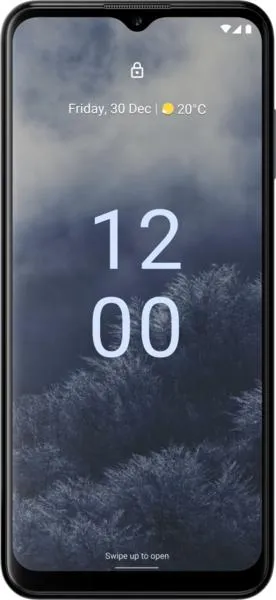
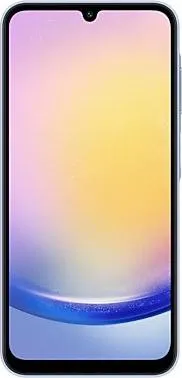
Nokia G60 vs. Samsung Galaxy A25: A Deep Dive for the Discerning User
The mid-range smartphone market is fiercely competitive, with devices vying for your attention with compelling features and aggressive pricing. Today, we dissect two contenders – the Nokia G60 and Samsung Galaxy A25 – going beyond the spec sheet to uncover what truly matters for the everyday user.
1. Specifications Breakdown
| Feature | Nokia G60 | Samsung Galaxy A25 | Real-World Implications |
|---|---|---|---|
| Design | |||
| Dimensions (mm) | 166 x 75.9 x 8.6 | 161 x 76.5 x 8.3 | A25 slightly more compact, potentially easier for one-handed use. |
| Weight (g) | 190 | 197 | Negligible difference in weight. |
| Display | |||
| Type | IPS LCD | Super AMOLED | A25 offers richer colors, deeper blacks, and better outdoor visibility. |
| Size | 6.58" | 6.5" | Negligible difference in screen real estate. |
| Resolution | 1080 x 2408 | 1080 x 2340 | Virtually identical sharpness. |
| Refresh Rate | 120Hz | 120Hz | Both offer smooth scrolling and responsive gaming. |
| Performance | |||
| Chipset | Snapdragon 695 5G (6nm) | Exynos 1280 (5nm) | Both offer solid mid-range performance, A25 potentially slightly faster. |
| CPU | Octa-core (2x2.2 GHz & 6x1.7 GHz) | Octa-core (2x2.4 GHz & 6x2.0 GHz) | A25 has a slightly higher clock speed, potentially better multi-tasking. |
| RAM | 4/6GB | 6/8GB | A25 offers more RAM options for smoother multitasking. |
| OS | Android 12 (up to ?) | Android 14 (up to 18) | A25 ships with a newer OS and longer software support commitment. |
| Camera | |||
| Main | 50MP | 50MP | Comparable main camera resolution. |
| Selfie | 8MP | 13MP | A25 boasts a higher resolution selfie camera. |
| Video | 1080p@30fps | 4K@30fps, 1080p@30fps with EIS | A25 offers superior video recording capabilities, including 4K and stabilization. |
| Battery | |||
| Capacity | 4500mAh | 5000mAh | A25 provides a larger battery for potentially longer usage. |
| Charging | 20W Fast Charging | 25W Fast Charging | A25 offers slightly faster charging. |
2. Key Insights
Display: The Samsung Galaxy A25's Super AMOLED display is a clear winner, delivering vibrant colors and superior contrast compared to the Nokia G60's IPS LCD. This translates to a more enjoyable media consumption experience and improved outdoor visibility.
Performance: While both chipsets offer competent performance for everyday tasks, the Exynos 1280 in the A25, coupled with more RAM options, might provide a slight edge in demanding applications and multitasking.
Camera: The A25 pulls ahead with its 4K video recording capability and Electronic Image Stabilization (EIS), ensuring smoother and higher-resolution videos. The higher-resolution selfie camera is also a plus for social media enthusiasts.
Software & Updates: The Galaxy A25's commitment to longer software updates, up to Android 18, provides a significant advantage in terms of security and longevity compared to the Nokia G60's less defined update path.
Battery: The A25's larger 5000mAh battery and faster 25W charging offer a clear advantage in terms of endurance and convenience.
3. User Profiles and Recommendations
Nokia G60: Best suited for budget-conscious users who prioritize a durable build (Nokia's renowned for this, though not explicitly stated in specs) and 5G connectivity. Good for basic tasks, web browsing, and casual photography.
Samsung Galaxy A25: Ideal for users who value a vibrant display, excellent camera capabilities, long battery life, and extended software support. Suitable for media consumption, mobile gaming, and social media enthusiasts.
4. Buying Decision Framework
- What is your budget? The Nokia G60 is generally more affordable.
- Is display quality a top priority? If yes, the A25's AMOLED screen is a compelling reason to choose it.
- How important is long-term software support? The A25's commitment to future Android updates offers peace of mind.
My Choice: Samsung Galaxy A25
While the Nokia G60 offers a respectable package for its price, the Samsung Galaxy A25 edges out as the superior device overall. The vibrant Super AMOLED display, longer software support, superior camera capabilities (especially video), and larger battery make it a more compelling choice for most users. The slightly higher price is justified by the significant advantages in key areas that enhance the daily user experience. While I admire Nokia's commitment to durability, the A25's modern feature set better caters to the needs of today's smartphone user.
