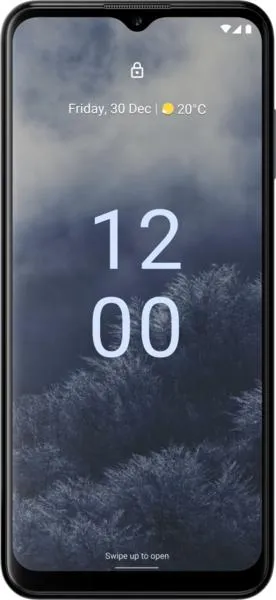
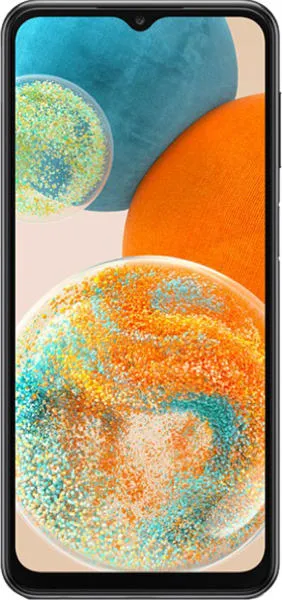
Nokia G60 vs. Samsung Galaxy A23 5G: A Deep Dive for the Discerning User
The mid-range smartphone arena is fiercely competitive, with devices vying for your attention with compelling features and attractive price points. Today, we dissect two contenders: the Nokia G60 and the Samsung Galaxy A23 5G. We'll go beyond the spec sheet, translating technical jargon into real-world implications to help you decide which phone fits your needs.
1. Specifications Breakdown
| Feature | Nokia G60 | Samsung Galaxy A23 5G | Real-World Implications |
|---|---|---|---|
| Design | |||
| Dimensions (mm) | 166 x 75.9 x 8.6 | 165.4 x 76.9 x 8.4 | G60 slightly taller and thicker |
| Weight (g) | 190 | 197 | Negligible difference in hand feel |
| Display | |||
| Type/Refresh Rate | IPS LCD, 120Hz | PLS LCD, 120Hz | Both offer smooth scrolling and responsive touch, but PLS LCD might offer slightly better color accuracy |
| Size/Resolution | 6.58", 1080x2408 | 6.6", 1080x2408 | Virtually identical screen real estate and sharpness |
| Performance | |||
| Chipset | Snapdragon 695 5G | Snapdragon 695 5G | Identical processing power, expect similar performance in apps and games |
| RAM | 4GB/6GB | 4GB/6GB | RAM options provide flexibility for multitasking needs |
| OS | Android 12 (up to 14) | Android 12 (up to Android 14) | A23 has a longer confirmed software update cycle, offering better long-term value |
| Camera | |||
| Rear Camera | 50MP Main, 5MP Ultrawide, 2MP Depth | 50MP Main, 5MP Ultrawide, 2MP Macro, 2MP Depth | A23 adds a dedicated macro lens for close-up shots; OIS on A23 should result in noticeably better low-light photos and videos |
| Front Camera | 8MP | 8MP | Similar selfie camera capabilities |
| Battery Life | |||
| Capacity | 4500 mAh | 5000 mAh | A23 boasts a larger battery, potentially translating to longer usage time |
| Charging | 20W Fast Charging | 25W Fast Charging | A23 charges slightly faster |
2. Key Insights
- Performance Parity: Both phones utilize the same Snapdragon 695 5G chipset, promising comparable performance for everyday tasks and gaming. The real-world difference will likely come down to software optimization.
- Display Dilemma: While both feature 120Hz refresh rates for fluid visuals, the panel technologies differ. PLS LCD on the A23 often delivers slightly richer colors and better viewing angles compared to IPS LCD. However, this difference might be subtle to the average user.
- Camera Considerations: The A23 features Optical Image Stabilization (OIS) on its main camera, a significant advantage for sharper images, especially in low light and when shooting video. The dedicated macro lens on the A23 offers specialized functionality, but its usefulness depends on individual shooting preferences.
- Longevity and Updates: Samsung's commitment to longer software updates for the A23 provides a significant advantage in terms of long-term security and feature updates.
- Battery Battle: The A23's 5000 mAh battery should provide longer endurance compared to the G60's 4500 mAh battery. The faster 25W charging on the A23 is a bonus for quicker top-ups.
3. User Profiles and Recommendations
- Nokia G60: This phone suits users prioritizing a potentially more durable build (Nokia is known for its robust hardware) and a clean Android experience. The price might be a deciding factor if it's significantly lower than the A23.
- Samsung Galaxy A23 5G: The better camera system, larger battery, longer software support, and faster charging make the A23 appealing to users who value photography, all-day battery life, and staying up-to-date with the latest software.
4. Buying Decision Framework
- How important is camera quality? If you frequently take photos or videos, particularly in challenging lighting conditions, the A23's OIS and slightly more versatile camera system are significant advantages.
- How long do you plan to keep your phone? The A23's longer software update commitment ensures a more future-proof device.
- What's your budget? Compare prices in your region. If the price difference is minimal, the A23 generally offers a more compelling package.
My Choice: I would choose the Samsung Galaxy A23 5G. The combination of OIS-enabled camera, larger battery with faster charging, and longer software support makes it a more well-rounded device for my needs. While the Nokia G60 offers a solid foundation, the A23 provides tangible benefits in key areas that matter most to me – photography, battery life, and long-term usability. The slightly more vibrant display of the PLS LCD panel is a welcome bonus.
