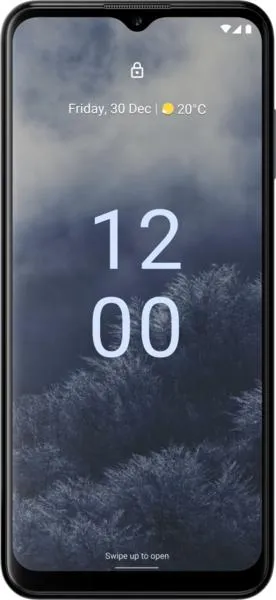
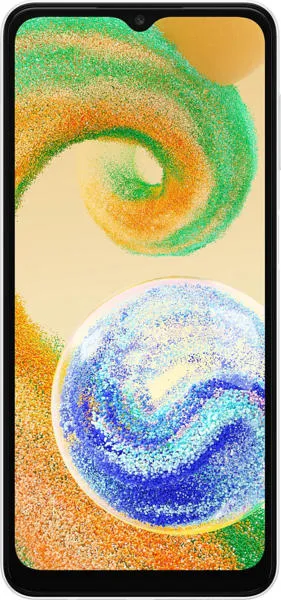
Let's dive into a comparative analysis of the Nokia G60 and Samsung Galaxy A04s, dissecting their technical specifications and translating them into real-world implications for you.
1. Specifications Breakdown
| Feature | Nokia G60 | Samsung Galaxy A04s | Real-World Implications |
|---|---|---|---|
| Design | |||
| Dimensions (mm) | 166 x 75.9 x 8.6 | 164.7 x 76.7 x 9.1 | Nokia G60 slightly taller and thinner. Negligible difference in everyday use. |
| Weight (g) | 190 | 195 | Virtually identical weight; both comfortable to hold. |
| Display | |||
| Size (inches) | 6.58 | 6.5 | Nearly identical screen real estate. |
| Resolution | 1080 x 2408 | 720 x 1600 | Nokia G60 significantly sharper; noticeably better for media consumption, reading, and gaming. |
| Refresh Rate (Hz) | 120 | 90 | Nokia G60 smoother for scrolling and animations, leading to a more fluid user experience. |
| Type | IPS LCD | PLS LCD | Similar panel technology; expect good color reproduction and viewing angles from both. |
| Performance | |||
| Chipset | Snapdragon 695 5G (6 nm) | Exynos 850 (8 nm) | Nokia G60 more powerful, especially for demanding tasks and multitasking. Supports 5G for faster data. |
| CPU | Octa-core (2x2.2 GHz & 6x1.7 GHz) | Octa-core (8x2.0 GHz Cortex-A55) | Nokia G60's higher clock speeds translate to faster app launches and smoother performance. |
| RAM (GB) | 4/6 | 3/4 | More RAM in some Nokia G60 variants enables better multitasking and background app retention. |
| OS | Android 12 (up to Android 15 confirmed) | Android 12 (up to Android 14) | Nokia G60 guaranteed one more major OS update, contributing to longer-term usability and security. |
| Camera | |||
| Main Camera (MP) | 50 | 50 | Similar main camera resolution suggests comparable image quality in good lighting. |
| Other Cameras | 5MP ultrawide, 2MP depth | 2MP macro, 2MP depth | Nokia G60 offers an ultrawide lens for broader shots; A04s has a dedicated macro lens for close-ups. |
| Battery | |||
| Capacity (mAh) | 4500 | 5000 | Samsung A04s boasts a larger battery, potentially leading to longer usage time between charges. |
| Fast Charging | 20W | 15W | Nokia G60 charges faster, minimizing downtime. |
| Price | Medium | Low | Nokia G60 is more expensive |
2. Key Insights
The Nokia G60 clearly outperforms the Samsung Galaxy A04s in several key areas: display quality, processing power, software support, and charging speed. Its sharper screen with a faster refresh rate provides a more enjoyable visual experience, while the more powerful Snapdragon chipset ensures smoother performance even with demanding apps and games. The commitment to longer software updates adds to the G60's longevity.
The A04s' main advantage lies in its larger battery capacity, which might translate to longer usage time on a single charge. It also boasts a lower price point, making it a more budget-friendly option. However, the lower resolution display and less powerful processor contribute to a less premium user experience.
3. User Profiles and Recommendations
- Nokia G60: Ideal for users who prioritize performance, a smooth display, future-proof software, and faster charging. Gamers, multitaskers, and those who consume a lot of media will appreciate the G60's capabilities.
- Samsung Galaxy A04s: Best suited for budget-conscious users who prioritize battery life above all else. Light users who primarily use their phones for basic tasks like calling, texting, and social media browsing will find the A04s sufficient.
4. Buying Decision Framework
- What is your budget? If price is a major constraint, the A04s offers decent value for its lower cost.
- What do you primarily use your phone for? For demanding tasks and media consumption, the G60 is a better fit. For basic use and long battery life, the A04s is sufficient.
- How important is future-proofing? The G60's longer software support ensures it will remain up-to-date and secure for a longer period.
My Choice
Personally, I would choose the Nokia G60. While the Samsung Galaxy A04s offers a larger battery and a lower price, I value the superior performance, sharper display, faster refresh rate, and guaranteed software updates of the G60. The slightly higher price is a worthwhile investment for the significantly enhanced user experience and longevity it offers. The smoother performance, better display, and 5G connectivity are crucial for my workflow and daily usage. The faster charging is a bonus that minimizes downtime. While battery life is important, I prioritize a responsive and enjoyable user experience, which the G60 delivers in spades.
