Nokia G60 vs. Realme Note 50: A Detailed Comparison
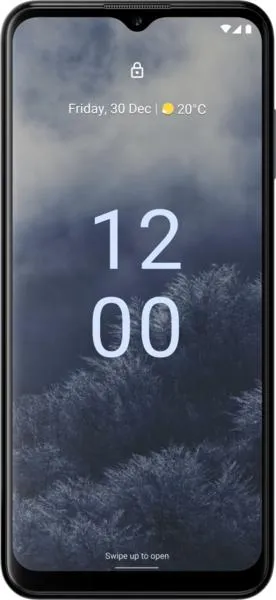
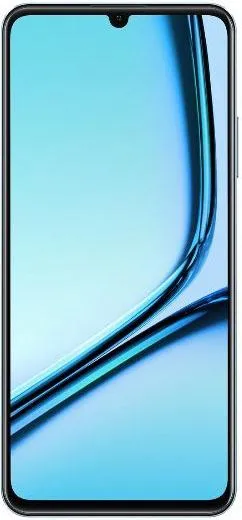
Let's dive deep into a comparative analysis of the Nokia G60 and the Realme Note 50, dissecting their specifications and uncovering what they truly offer in terms of real-world performance.
1. Specifications Breakdown
| Feature | Nokia G60 | Realme Note 50 | Real-World Implications |
|---|---|---|---|
| Design | |||
| Dimensions (mm) | 166 x 75.9 x 8.6 | 167.2 x 76.7 x 8 | Nokia G60 slightly smaller, might feel a tad more compact in hand. |
| Weight (g) | 190 | 186 | Negligible weight difference. |
| Build Materials | Not specified | Not specified | Durability and premium feel are unknown without further information. |
| Display | |||
| Size (inches) | 6.58 | 6.74 | Realme Note 50 offers a slightly larger screen for more immersive content consumption. |
| Resolution (px) | 1080 x 2408 | 720 x 1600 | Nokia G60 boasts significantly sharper visuals due to higher resolution and pixel density. |
| Refresh Rate (Hz) | 120 | 90 | Nokia G60's 120Hz display will feel smoother and more responsive, especially in games. |
| Display Type | IPS LCD, 120Hz, 400 nits (typ) | IPS LCD, 90Hz, 560 nits (peak) | Realme Note 50 may be slightly brighter outdoors, but Nokia G60 offers smoother scrolling. |
| Performance | |||
| Chipset | Snapdragon 695 5G (6 nm) | Unisoc Tiger T612 (12 nm) | Nokia G60's Snapdragon chip offers notably better performance and 5G connectivity. |
| CPU | Octa-core (2x2.2 GHz & 6x1.7 GHz) | Octa-core (2x1.8 GHz & 6x1.8 GHz) | Nokia G60 has a performance advantage with faster clock speeds on its performance cores. |
| GPU | Adreno 619 | Mali-G57 | Nokia G60's GPU offers a significant advantage in graphics performance. |
| RAM (GB) | 4/6 | 3/4 | Both offer configurations with ample RAM for multitasking, though Nokia G60 offers 6GB option. |
| Camera | |||
| Rear Camera | 50MP (Main) + 5MP (Wide) + 2MP (Depth) | 13MP (Main) + 2MP (B&W) | Nokia G60 likely provides significantly better image quality and versatility. |
| Front Camera | 8MP | 5MP | Nokia G60's selfie camera offers higher resolution. |
| Battery Life | |||
| Capacity (mAh) | 4500 | 5000 | Realme Note 50 has a larger battery, potentially leading to longer usage time. |
| Charging | 20W Fast Charging | 10W Fast Charging | Nokia G60 charges significantly faster. |
2. Key Insights
- Performance: The Nokia G60, powered by the Snapdragon 695, significantly outperforms the Realme Note 50 in processing power and graphics capabilities. This translates to smoother multitasking, faster app loading, and superior gaming performance.
- Display: While the Realme Note 50 has a slightly larger display, the Nokia G60's higher resolution and faster refresh rate provide a noticeably sharper and more responsive visual experience.
- Camera: The Nokia G60 boasts a more versatile and capable camera system, likely producing higher quality photos and videos compared to the Realme Note 50.
- Battery: While the Realme Note 50 has a larger battery capacity, the Nokia G60's faster charging speed might be more convenient for users who need quick top-ups.
3. User Profiles and Recommendations
- Nokia G60: Ideal for users who prioritize performance, a smooth display, and a capable camera. Gamers, content creators, and those who demand a responsive user experience would appreciate the G60.
- Realme Note 50: Suitable for budget-conscious users who prioritize battery life and a large screen for media consumption. Casual users who primarily use their phones for browsing, social media, and watching videos might find the Note 50 sufficient.
4. Buying Decision Framework
- What is your budget? The Realme Note 50 is positioned as a low-price option, while the Nokia G60 falls into the medium-price range.
- What are your primary use cases? If performance and camera quality are paramount, the G60 is the better choice. If battery life and a large screen are more important, consider the Note 50.
- Do you need 5G connectivity? The Nokia G60 offers 5G, future-proofing your device for faster mobile internet.
My Choice: I would choose the Nokia G60. While the Realme Note 50 offers a larger battery, the significantly better performance, display, and camera of the G60 are more compelling to me. The faster charging mitigates the slightly smaller battery capacity. As a tech enthusiast, I value a smooth and responsive user experience, making the G60 the clear winner in my book. The inclusion of 5G also ensures the phone remains relevant for longer. The price difference is justifiable considering the substantial performance gap.
