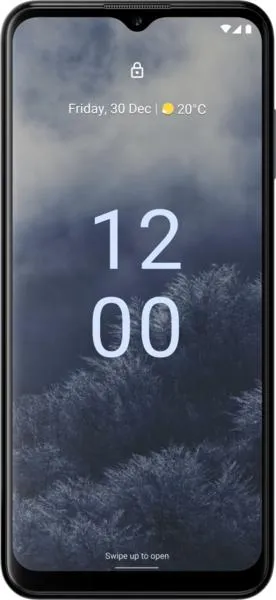
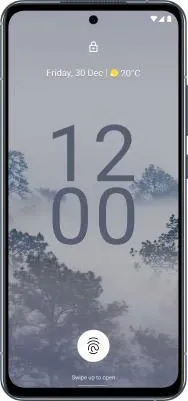
Let's dive into a comparative analysis of the Nokia G60 and Nokia X30, dissecting their specifications and translating them into real-world implications for you.
1. Specifications Breakdown
| Feature | Nokia G60 | Nokia X30 | Real-World Implications |
|---|---|---|---|
| Design | |||
| Dimensions (mm) | 166 x 75.9 x 8.6 | 158.9 x 73.9 x 8 | X30 is slightly smaller and lighter, potentially more pocketable |
| Weight (g) | 190 | 185 | Negligible difference in hand feel |
| Build Materials | Unspecified (Likely polycarbonate) | Unspecified (Likely polycarbonate) | Durability and premium feel may vary depending on final materials used. Expect a sturdy phone in either case. |
| Display | |||
| Type | IPS LCD | AMOLED | X30 offers richer colors, deeper blacks, and potentially better power efficiency due to AMOLED tech. G60's LCD might be brighter outdoors. |
| Size (inches) | 6.58 | 6.43 | Negligible difference in screen real estate |
| Resolution | 1080 x 2408 | 1080 x 2400 | Virtually identical sharpness |
| Refresh Rate (Hz) | 120 | 90 | G60 boasts smoother scrolling and animations, but may consume more battery |
| Performance | |||
| Chipset | Snapdragon 695 5G | Snapdragon 695 5G | Identical performance foundation |
| CPU | Octa-core (2x2.2 GHz & 6x1.7 GHz) | Octa-core (2x2.2 GHz & 6x1.7 GHz) | Same processing power |
| RAM (GB) | 4/6 | 6/8 | X30 offers smoother multitasking and potentially better handling of demanding apps in its higher RAM configuration. |
| Camera | |||
| Rear Camera | 50MP Main, 5MP Ultrawide, 2MP Depth | 50MP Main, 13MP Ultrawide | X30's ultrawide likely provides higher resolution and detail. G60 includes a depth sensor, which may slightly improve portrait mode. |
| Front Camera | 8MP | 16MP | X30 boasts significantly higher resolution selfies |
| Video | 1080p@30fps | 1080p@30/60fps | X30 offers smoother video recording at 60fps |
| Optical Image Stabilization | No | Yes (Main Camera) | X30 should deliver noticeably steadier videos and potentially better low-light photos. |
| Battery Life | |||
| Capacity (mAh) | 4500 | 4200 | G60 likely offers slightly longer battery life due to larger capacity |
| Charging | 20W Fast Charging | 33W Fast Charging | X30 charges significantly faster |
| Other | |||
| OS | Android 12 | Android 12 (upgradable to 13) | X30 has a confirmed longer software update lifecycle |
| Price | Starting ~$270 | Starting ~$530 | G60 offers a more budget-friendly option. |
2. Key Insights
- Performance Parity: Both phones, powered by the Snapdragon 695, deliver similar performance for everyday tasks.
- Display Differences: The X30's AMOLED screen offers vibrant colors and deep blacks, while the G60's 120Hz refresh rate provides a smoother visual experience.
- Camera Trade-offs: The X30 boasts a better ultrawide camera, a higher-resolution selfie camera, OIS, and 60fps video recording. The G60 offers a depth sensor for portrait mode shots.
- Battery and Charging: While the G60 might have slightly longer battery life due to its larger battery, the X30 charges considerably faster.
- Software and Longevity: Nokia commits to longer software updates for the X30, ensuring it stays current for a longer period.
3. User Profiles and Recommendations
- Nokia G60: Ideal for budget-conscious users who prioritize battery life and a smooth display experience. Suitable for everyday tasks, web browsing, social media, and casual gaming.
- Nokia X30: Geared towards users who value a vibrant display, superior camera capabilities (especially video), faster charging, and longer software support. Excellent for content consumption, photography enthusiasts, and those seeking a more future-proof device.
4. Buying Decision Framework
Questions to Ask Yourself:
- What's your budget? The G60 offers significantly better value for its price.
- Are camera quality and features a top priority? The X30 is the clear winner in this department.
- How important is software update longevity? The X30's guaranteed updates provide peace of mind.
Scenario-Based Recommendations:
- Tight Budget, Everyday Use: Nokia G60
- Photography Enthusiast: Nokia X30
- Future-Proofing and Longer Software Support: Nokia X30
My Choice:
If I were choosing between these two, I'd opt for the Nokia X30. While the G60 offers compelling value, I prioritize camera quality, software updates, and a vibrant display. The X30's superior camera system, particularly its optically stabilized main lens and higher-resolution ultrawide, combined with the AMOLED screen and guaranteed Android 13 update, outweighs the price difference for me. I'm willing to invest a bit more for these features and the longer-term value they provide.
