1. Specifications Comparison
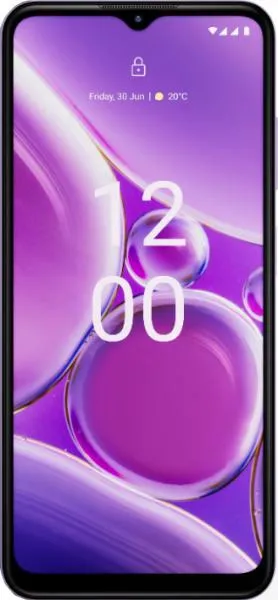
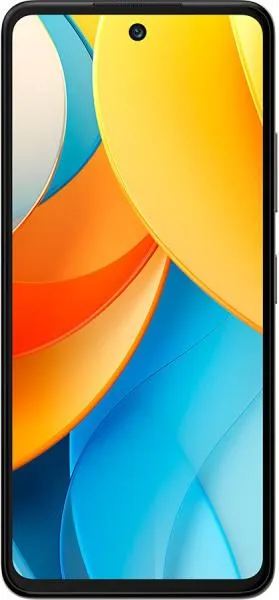
| Feature | Nokia G42 | ZTE Blade V60 Design | Practical Impact |
|---|---|---|---|
| Design | |||
| Dimensions (mm) | 165 x 75.8 x 8.6 | 164.2 x 75.3 x 8.6 | Virtually identical in size and feel. |
| Weight (g) | 193.8 | 198 | Negligible weight difference in real-world usage. |
| Display | |||
| Size (inches) | 6.56 | 6.6 | ZTE offers a slightly larger screen, but the difference is minimal. |
| Resolution (px) | 720 x 1612 | 720 x 1612 | Identical resolution, resulting in similar sharpness. Both are lower resolution, impacting clarity, especially for text and detailed images. |
| Refresh Rate (Hz) | 90 | 90 | Both offer smooth scrolling and animations thanks to the 90Hz refresh rate. |
| Display Type | IPS LCD | IPS LCD | Similar display technology, expect comparable color accuracy and viewing angles. Neither offers the deep blacks and power efficiency of OLED. |
| Performance | |||
| Chipset | Snapdragon 480+ 5G (8 nm) | Unisoc T606 (12 nm) | Snapdragon 480+ generally offers better performance and power efficiency due to its superior architecture and smaller manufacturing process. |
| CPU | Octa-core (2x2.2 GHz & 6x1.8 GHz) | Octa-core (2x1.6 GHz & 6x1.6 GHz) | Nokia G42 likely to have noticeably faster performance, especially in demanding tasks. |
| GPU | Adreno 619 | Mali-G57 MP1 | Adreno 619 generally provides better gaming performance. |
| RAM (GB) | 4/6/8 | 4/6 | More RAM options with the Nokia allowing for smoother multitasking in the higher configurations. |
| Camera | |||
| Main Camera (MP) | 50 | 50 | Similar main camera resolution, image quality will depend on sensor and software processing (unspecified here). |
| Other Cameras | 2MP Depth, 2MP Macro | 2MP Depth, 0.3MP (unknown purpose) | The third camera on the ZTE is of unclear utility; Nokia's macro lens may offer slightly more versatility. |
| Battery | |||
| Capacity (mAh) | 5000 | 5000 | Identical battery capacity, expected similar battery life depending on usage and software optimization. |
2. Key Differences Analysis
Nokia G42 Advantages:
- Superior Performance: The Snapdragon 480+ significantly outperforms the Unisoc T606, providing a smoother user experience for demanding tasks and gaming.
- Potentially Better Connectivity: While both support a wide range of 5G bands, the Snapdragon modem in the Nokia G42 is generally regarded as more reliable and power-efficient. The Nokia also supports WiFi 6 (802.11ax) for faster wifi speeds.
ZTE Blade V60 Design Advantages:
- Lower Price: The ZTE is positioned in the "low price" range compared to Nokia's "medium price" indicating a potentially significant cost saving.
- Dual SIM: The ZTE supports dual SIM cards, allowing users to have two active phone numbers on a single device, beneficial for separating work and personal contacts or utilizing different data plans.
3. User Profiles & Recommendations
Nokia G42: Users who prioritize performance, smoother multitasking, and future-proof 5G connectivity. Suitable for moderate gaming, media consumption, and productivity tasks.
ZTE Blade V60 Design: Budget-conscious users prioritizing affordability and dual SIM functionality. Best for basic communication, social media, and light web browsing. Not recommended for demanding tasks or gaming.
4. Decision Framework
Key Questions for Buyers:
- What is your budget? The ZTE is significantly cheaper.
- How important is performance? The Nokia offers a considerably smoother experience.
- Do you need dual SIM functionality? This is a key advantage of the ZTE.
Scenario-Based Recommendations:
- Limited Budget, Basic Usage: ZTE Blade V60 Design
- Moderate Budget, Performance Focused: Nokia G42
- Dual SIM Required: ZTE Blade V60 Design
- Gaming or Demanding Apps: Nokia G42
My Choice: Nokia G42
While the ZTE Blade V60 Design offers a tempting price, the performance difference due to the chipset is crucial for a satisfying long-term smartphone experience. The Snapdragon 480+ in the Nokia G42 will provide a smoother and more responsive experience across a wider range of applications. The superior processor also translates to better power efficiency and longevity. While I don't need 5G currently, the Nokia future-proofs my purchase. While the price difference is notable, the improved performance and user experience of the Nokia G42 make it the better overall choice for my needs. I would rather invest a bit more for a phone that will remain usable and enjoyable for a longer period.
