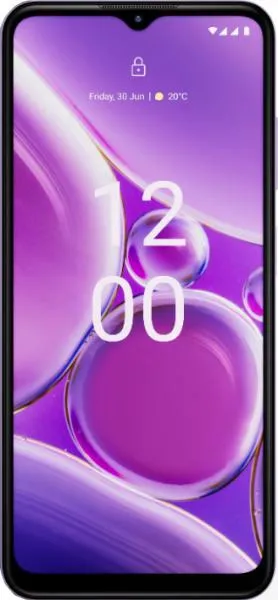
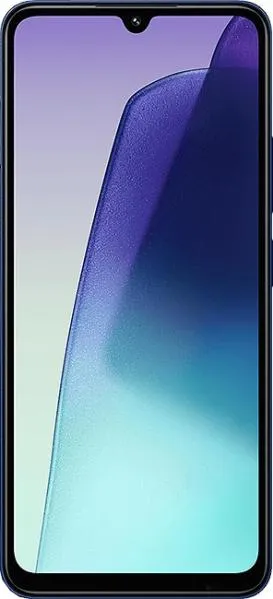
1. Specifications Comparison
| Feature | Nokia G42 | Xiaomi Redmi 14C | Practical Impact |
|---|---|---|---|
| Design | |||
| Dimensions (mm) | 165 x 75.8 x 8.6 | 171.9 x 77.8 x 8.2 | Redmi 14C is slightly larger and heavier. G42 might be more pocketable. |
| Weight (g) | 193.8 | 211 | Redmi 14C feels more substantial, but could be tiring for extended use. |
| Display | |||
| Size (inches) | 6.56 | 6.88 | Redmi 14C offers a larger screen for media consumption. |
| Resolution (px) | 720 x 1612 | 720 x 1640 | Negligible difference in sharpness due to similar pixel density. |
| Refresh Rate (Hz) | 90 | 120 | Redmi 14C provides smoother scrolling and animations. |
| Display Type | IPS LCD | IPS LCD | Both offer good color reproduction but may lack the deep blacks of OLED. |
| Performance | |||
| Chipset | Snapdragon 480+ 5G | Helio G81 Ultra | Snapdragon 480+ generally offers better performance and 5G connectivity. |
| CPU | Octa-core (2x2.2 GHz & 6x1.8 GHz) | Octa-core (2x2.0 GHz & 6x1.8 GHz) | Slight performance advantage for the G42, but real-world difference might be minimal. |
| GPU | Adreno 619 | Mali-G52 MC2 | Adreno 619 generally provides better gaming performance. |
| RAM (GB) | 4/6/8 | 4/6/8 | RAM options impact multitasking; more RAM handles more apps smoothly. |
| Camera | |||
| Main Camera (MP) | 50 | 50 | Similar resolution, but image quality depends on sensor and processing. |
| Front Camera (MP) | 8 | 13 | Redmi 14C boasts a higher resolution selfie camera. |
| Video Recording | 1080p@30fps | 1080p@30fps | Both offer basic video recording capabilities. Redmi claims 120fps slow-mo, but at unspecified resolution. |
| Battery | |||
| Capacity (mAh) | 5000 | 5160 | Marginally larger battery in the Redmi 14C, but actual battery life depends on optimization. |
2. Key Differences Analysis
Nokia G42 Advantages:
- Slightly better performance: The Snapdragon 480+ 5G generally outperforms the Helio G81 Ultra in benchmarks and offers 5G connectivity. This translates to smoother gaming and faster app loading.
- More compact: Smaller dimensions and lighter weight make it more pocketable and comfortable for one-handed use.
Xiaomi Redmi 14C Advantages:
- Higher refresh rate display: 120Hz provides a smoother and more responsive user experience.
- Larger display: Offers more immersive media consumption.
- Higher resolution selfie camera: Better for video calls and self-portraits.
- Dual SIM: Supports two SIM cards simultaneously, useful for travelers or those with separate work/personal numbers.
Trade-offs:
- The Redmi 14C's larger display and battery contribute to its increased size and weight.
- The G42's superior performance comes at the potential cost of slightly lower battery life compared to the Redmi 14C.
3. User Profiles & Recommendations
Nokia G42: Suitable for users who prioritize performance, portability, and 5G connectivity. Ideal for moderate gaming, everyday tasks, and those seeking a compact phone.
Xiaomi Redmi 14C: Best for users who value a large, smooth display for media consumption, a better selfie camera, and dual SIM functionality. Suitable for casual gaming, browsing, and those who prioritize screen real estate.
4. Decision Framework
Key Questions:
- Is 5G connectivity crucial? The G42 offers 5G, while the Redmi 14C does not.
- Do you prioritize performance or a larger display? The G42 performs better, while the Redmi 14C has a larger, smoother display.
- Is a compact form factor important? The G42 is smaller and lighter than the Redmi 14C.
Scenario-Based Recommendations:
- Heavy user needing speed and future-proofing: Nokia G42
- Media enthusiast who watches a lot of videos: Xiaomi Redmi 14C
- Budget-conscious user who needs a reliable phone for basic tasks: Either phone, depending on specific priorities regarding screen size and performance. Consider price differences between RAM/storage options.
My Choice: Nokia G42
While the Redmi 14C offers a tempting larger display and 120Hz refresh rate, I would choose the Nokia G42. The Snapdragon 480+ 5G provides a noticeable performance advantage and future-proofs the device with 5G connectivity. I value performance and a more compact form factor for daily use. The slightly smaller battery is less of a concern given the generally efficient Snapdragon chipset. While the Redmi 14C has a higher resolution front camera, the G42's rear camera setup seems more versatile with its dedicated macro lens, even if specific sensor details are lacking for a comprehensive camera comparison. Ultimately, the G42 strikes a better balance for my needs.
