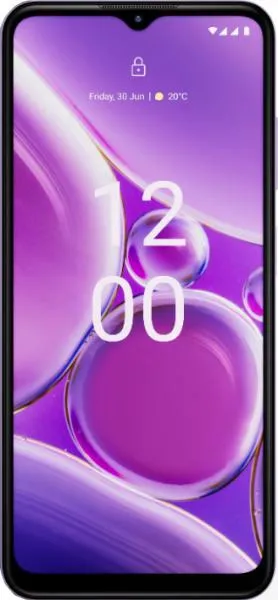
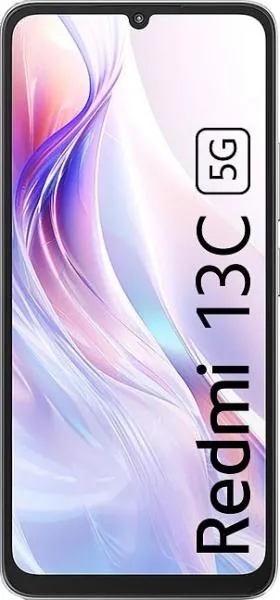
1. Specifications Comparison
| Feature | Nokia G42 | Xiaomi Redmi 13C 5G | Practical Impact |
|---|---|---|---|
| Design | |||
| Dimensions (mm) | 165 x 75.8 x 8.6 | 168 x 78 x 8.1 | Redmi 13C is slightly larger and thicker. |
| Weight (g) | 193.8 | 192 | Negligible weight difference. |
| Build Materials | Not specified | Not specified | Cannot compare build quality. |
| Display | |||
| Display Size (inches) | 6.56 | 6.74 | Redmi 13C offers a slightly larger screen for more immersive content consumption. |
| Resolution (px) | 720 x 1612 | 720 x 1600 | Virtually identical resolution; expect similar sharpness. |
| Display Type | IPS LCD | IPS LCD | Both use IPS LCD technology; expect similar color accuracy and viewing angles. |
| Refresh Rate (Hz) | 90 | 90 | Both offer smooth scrolling and animations thanks to the 90Hz refresh rate. |
| Peak Brightness (nits) | 560 | 600 | Redmi 13C might be slightly more readable in direct sunlight. |
| Performance | |||
| Chipset | Snapdragon 480+ 5G (8 nm) | Dimensity 6100+ (6 nm) | Dimensity 6100+ generally offers better performance and efficiency due to its more advanced manufacturing process and architecture. |
| CPU | Octa-core (2x2.2 GHz Kryo 460 & 6x1.8 GHz Kryo 460) | Octa-core (2x2.2 GHz Cortex-A76 & 6x2.0 GHz Cortex-A55) | Redmi 13C likely has a performance advantage with its Cortex-A76 cores. |
| GPU | Adreno 619 | Mali-G57 MC2 | Mali-G57 MC2 generally provides better graphics performance than Adreno 619. |
| RAM (GB) | 4/6/8 | 4/6/8 | RAM options are similar; choose based on your multitasking needs. |
| Camera | |||
| Main Camera (MP) | 50 | 50 | Both have 50MP main sensors; image quality will depend on sensor size, processing, and other factors not fully specified. |
| Other Cameras | 2MP Depth, 2MP Macro | 0.8MP (Unspecified), No dedicated macro | Nokia G42 offers a dedicated macro lens for close-up shots. Redmi 13C's secondary camera purpose is unclear. |
| Video Recording | 1080p@30fps | 1080p@30fps, Slow Motion 120fps | Redmi 13C offers slow-motion video recording. |
| Battery | |||
| Capacity (mAh) | 5000 | 5000 | Similar battery capacities suggest comparable battery life. Real-world usage will vary. |
2. Key Differences Analysis
Nokia G42 Advantages:
- NFC: Enables contactless payments and other NFC functionalities.
- Potentially Better Camera Versatility: Dedicated macro lens offers more shooting options.
Xiaomi Redmi 13C 5G Advantages:
- Superior Performance: Dimensity 6100+ offers better CPU and GPU performance for smoother multitasking and gaming.
- Brighter Display: Slightly higher peak brightness for better outdoor visibility.
- Dual SIM: Supports two SIM cards simultaneously for greater flexibility.
- Slow-Motion Video: Can capture slow-motion footage at 120fps.
3. User Profiles & Recommendations
Nokia G42: Suitable for users prioritizing NFC for contactless payments and occasional mobile photography with macro capabilities. Good for basic tasks and light gaming.
Xiaomi Redmi 13C 5G: Better suited for users who value performance for gaming and multitasking, along with dual SIM functionality. The brighter display is beneficial for outdoor use.
4. Decision Framework
Key Questions:
- Is NFC a must-have? If yes, the Nokia G42 is the only option.
- How important is performance? For demanding tasks and gaming, the Redmi 13C is significantly better.
- What is your budget? Compare prices in your region to determine the best value.
My Choice: Xiaomi Redmi 13C 5G
While NFC is a nice feature, the Xiaomi Redmi 13C 5G's superior performance, driven by the Dimensity 6100+ chipset, is a significant advantage. The brighter display and dual SIM support are also valuable additions. The lack of a dedicated macro lens is less critical than overall performance for my needs. While missing specs limit a truly comprehensive comparison, the available data strongly suggests the Redmi 13C provides a better user experience for a wider range of tasks.
