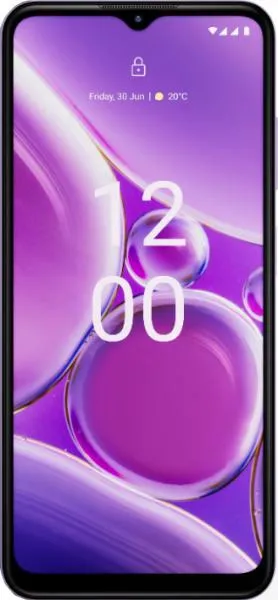
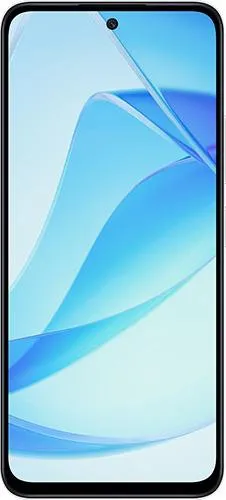
1. Specifications Comparison
| Feature | Nokia G42 | Xiaomi Redmi 12 5G | Practical Impact |
|---|---|---|---|
| Design | |||
| Dimensions (mm) | 165 x 75.8 x 8.6 | 168.6 x 76.3 x 8.2 | Redmi 12 5G is slightly larger and thinner. Negligible difference in daily use. |
| Weight (g) | 193.8 | 199 | Redmi 12 5G is slightly heavier, but the difference is minimal. |
| Build Material | Not specified | Not specified | Cannot compare build quality without material information. |
| Display | |||
| Display Size (inches) | 6.56 | 6.79 | Redmi 12 5G has a noticeably larger screen, better for media consumption. |
| Resolution | 720 x 1612 | 1080 x 2460 | Redmi 12 5G has a significantly sharper display (396 ppi vs 269 ppi), resulting in clearer text and images. |
| Display Type | IPS LCD | IPS LCD | Both use IPS LCD technology, offering good color reproduction and viewing angles. |
| Refresh Rate (Hz) | 90 | 90 | Both offer smooth scrolling and animations thanks to the 90Hz refresh rate. |
| Peak Brightness (nits) | 450 (typ), 560 (peak) | 550 | Redmi 12 5G likely offers better visibility in direct sunlight. |
| Performance | |||
| Chipset | Snapdragon 480+ 5G (8 nm) | Snapdragon 4 Gen 2 (4 nm) | Snapdragon 4 Gen 2 is newer and built on a smaller node, suggesting better power efficiency and potentially improved performance. |
| CPU | Octa-core (2x2.2 GHz Kryo 460 & 6x1.8 GHz Kryo 460) | Octa-core (2x2.2 GHz Cortex-A78 & 6x1.95 GHz Cortex-A55) | Both offer comparable CPU performance for everyday tasks. Architecture differences may favor Redmi 12 5G in some scenarios. |
| GPU | Adreno 619 | Adreno 613 | Adreno 619 may offer slightly better gaming performance. |
| RAM | 4GB | 4GB (listed option, other versions available) | Both have a base 4GB RAM, impacting multitasking capabilities. Redmi 12 5G offers higher RAM configurations for better performance. |
| Camera | |||
| Rear Camera | 50MP (Main) + 2MP (Depth) + 2MP (Macro) | 50MP (Main) + 2MP (Depth) | Similar primary camera setups. Nokia G42 has a dedicated macro lens, but its usefulness depends on implementation quality. |
| Front Camera | 8MP | 5MP | Nokia G42 boasts a higher resolution front camera for potentially better selfies. |
| Video Recording | 1080p@30fps | 1080p@30fps | Identical video recording capabilities. |
| Battery | |||
| Capacity (mAh) | 5000 | 5000 | Identical battery capacity. Real-world battery life depends on optimization and usage. |
2. Key Differences Analysis
Nokia G42 Advantages:
- Potentially better front camera: 8MP vs 5MP.
- NFC: Enables contactless payments and data transfer.
- Dedicated Macro Lens: Allows for close-up shots, though quality is undetermined.
Xiaomi Redmi 12 5G Advantages:
- Sharper Display: Higher resolution (1080p) and pixel density (396 ppi).
- Larger Display: 6.79 inches vs 6.56 inches.
- More Efficient Chipset: Snapdragon 4 Gen 2 (4nm) suggests better battery life and performance per watt.
- Dual SIM: Supports two SIM cards simultaneously.
3. User Profiles & Recommendations
Nokia G42: Users who prioritize NFC for contactless payments, want a decent front-facing camera, and need a reliable budget-friendly device.
Xiaomi Redmi 12 5G: Users who prioritize a large, sharp display for media consumption, value battery efficiency and smoother performance, and require dual SIM functionality.
4. Decision Framework
Key Questions:
- Is NFC a must-have? If yes, the Nokia G42 is the only option.
- How important is display quality? Redmi 12 5G offers a superior display experience.
- Is dual SIM required? Redmi 12 5G offers dual SIM support.
Scenario-Based Recommendations:
- Heavy media consumer: Redmi 12 5G
- Budget-conscious user needing NFC: Nokia G42
- User requiring dual SIM: Redmi 12 5G
My Choice: Xiaomi Redmi 12 5G
While the Nokia G42 offers NFC, the Xiaomi Redmi 12 5G is the stronger overall device for my needs. The significantly better display (larger size and higher resolution) is a major deciding factor. The more efficient chipset promises better battery life and performance, and while I don't need dual SIM, it's a nice bonus. The slightly larger size isn't a significant drawback for me. I rarely use contactless payments, so I can live without NFC in favor of a better overall user experience.
