1. Specifications Comparison
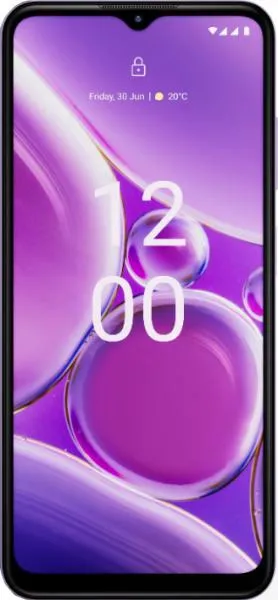
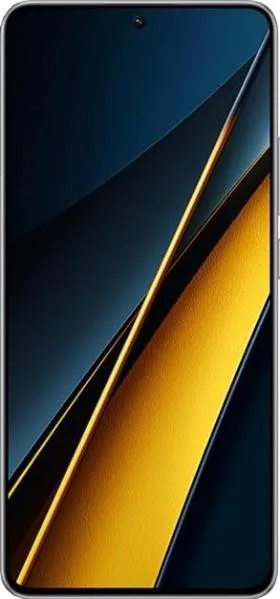
| Feature | Nokia G42 | Xiaomi Poco X6 Pro | Practical Impact |
|---|---|---|---|
| Design | |||
| Dimensions (mm) | 165 x 75.8 x 8.6 | 160.5 x 74.3 x 8.3 | Poco X6 Pro is slightly smaller and thinner. |
| Weight (g) | 193.8 | 186 | Poco X6 Pro is noticeably lighter, improving one-handed use. |
| Build Material | Not specified | Not specified | Cannot compare build quality and durability. |
| Display | |||
| Display Type | IPS LCD | AMOLED | Poco X6 Pro offers significantly better contrast, deeper blacks, and potentially brighter highlights due to AMOLED technology. |
| Display Size (inches) | 6.56 | 6.67 | Slightly larger screen on the Poco X6 Pro provides more immersive content consumption. |
| Resolution | 720 x 1612 | 1220 x 2712 | Much higher resolution on the Poco X6 Pro results in sharper text and images. |
| Refresh Rate (Hz) | 90 | 120 | Smoother animations and scrolling on the Poco X6 Pro with the higher refresh rate. |
| Peak Brightness (nits) | 560 | 1800 | Poco X6 Pro's drastically higher peak brightness ensures better visibility in sunlight. |
| HDR Support | No | HDR10+, Dolby Vision | Poco X6 Pro supports HDR content, resulting in a wider dynamic range and richer colors in compatible videos. |
| Performance | |||
| Chipset | Snapdragon 480+ 5G | Dimensity 8300 Ultra | Poco X6 Pro boasts a significantly more powerful chipset, leading to much faster performance in demanding tasks and games. |
| CPU | Octa-core (2x2.2 GHz & 6x1.8 GHz) | Octa-core (1x3.35 GHz & 3x3.2 GHz & 4x2.2 GHz) | Faster clock speeds and superior architecture of the Poco X6 Pro's CPU translate to a noticeable performance advantage. |
| GPU | Adreno 619 | Mali G615-MC6 | Poco X6 Pro's GPU is considerably more powerful, enabling smoother gaming and faster graphics rendering. |
| RAM | 4GB/6GB/8GB | 8GB/12GB | More RAM on the Poco X6 Pro allows for better multitasking and smoother performance with multiple apps open. |
| Storage | 128GB/256GB | 256GB/512GB | Poco X6 Pro offers more storage options for users with large media libraries. |
| Camera | |||
| Main Camera | 50MP | 64MP | While megapixels aren't everything, the Poco X6 Pro's larger sensor and wider aperture (f/1.7 vs f/1.8) potentially offer better low-light performance. |
| Video Recording | 1080p@30fps | 4K@30fps | Poco X6 Pro can record significantly higher resolution video. |
| Optical Image Stabilization | No | Yes | OIS on the Poco X6 Pro will result in steadier videos and potentially sharper photos in low light. |
| Battery | |||
| Capacity (mAh) | 5000 | 5000 | Similar battery capacity, but actual battery life will depend on software optimization and usage patterns. |
2. Key Differences Analysis
Nokia G42 Advantages:
- Potentially lower price point.
- Simpler user interface due to near-stock Android.
Xiaomi Poco X6 Pro Advantages:
- Significantly superior performance: The Dimensity 8300 Ultra outclasses the Snapdragon 480+ in all aspects.
- Much better display: AMOLED with higher resolution, refresh rate, and HDR support provides a vastly improved visual experience.
- Enhanced camera capabilities: Higher resolution sensor, wider aperture, OIS, and 4K video recording offer a significant advantage.
- More RAM and Storage: Provides smoother multitasking and ample space for files and apps.
3. User Profiles & Recommendations
Nokia G42:
- Ideal User: Budget-conscious users who prioritize basic functionality (calling, texting, web browsing, social media). Users who prefer a clean Android experience.
- Use Cases: Casual everyday use, light social media browsing, less demanding apps.
Xiaomi Poco X6 Pro:
- Ideal User: Users who demand high performance for gaming, multimedia consumption, and demanding tasks. Photography enthusiasts.
- Use Cases: Mobile gaming, high-resolution video streaming, content creation, photography.
4. Decision Framework
Key Questions for Buyers:
- What is your budget? The Nokia G42 likely offers a lower price point.
- What are your primary use cases? For demanding tasks, the Poco X6 Pro is a clear winner.
- How important is display quality and camera performance? The Poco X6 Pro excels in both areas.
My Choice: Xiaomi Poco X6 Pro
While pricing might be a factor, the Xiaomi Poco X6 Pro offers a significantly better overall experience. The vastly superior performance, stunning display, enhanced camera capabilities, and larger RAM/storage make it a compelling choice. The Nokia G42 is a decent budget option, but the Poco X6 Pro's advantages across multiple key areas justify the likely price difference for most users beyond those seeking the absolute lowest price. The difference in user experience would be substantial. The Poco X6 Pro is a future-proof choice with its powerful hardware and updated software, providing a more enjoyable and longer-lasting user experience.
