1. Specifications Comparison
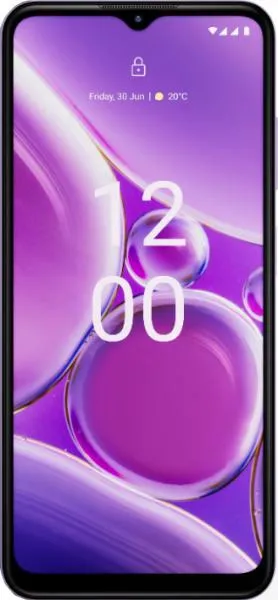
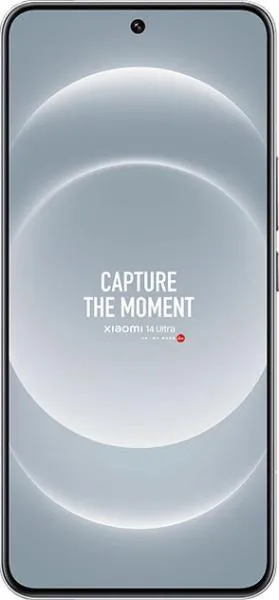
| Feature | Nokia G42 | Xiaomi 14 Ultra | Practical Impact |
|---|---|---|---|
| Design | |||
| Dimensions (mm) | 165 x 75.8 x 8.6 | 161.4 x 75.3 x 9.2 | Xiaomi 14 Ultra is slightly shorter and narrower, but thicker. Negligible difference in everyday use. |
| Weight (g) | 193.8 | 229.5 | Xiaomi 14 Ultra is noticeably heavier, potentially impacting one-handed use and pocket comfort. |
| Build Material | Missing | Missing | Cannot compare build quality and durability. |
| Display | |||
| Display Type | IPS LCD | LTPO AMOLED | Xiaomi 14 Ultra offers significantly better contrast, deeper blacks, and potentially better power efficiency due to AMOLED technology. |
| Display Size (inches) | 6.56 | 6.73 | Xiaomi 14 Ultra has a slightly larger display, providing a more immersive viewing experience. |
| Resolution | 720 x 1612 | 1440 x 3200 | Xiaomi 14 Ultra boasts a much sharper display with significantly higher pixel density, resulting in crisper text and images. |
| Refresh Rate (Hz) | 90 | 120 | Xiaomi 14 Ultra's higher refresh rate delivers smoother animations and scrolling. |
| Peak Brightness (nits) | 560 | 3000 | Xiaomi 14 Ultra offers exceptional outdoor visibility even in direct sunlight. |
| Performance | |||
| Chipset | Snapdragon 480+ 5G | Snapdragon 8 Gen 3 | Xiaomi 14 Ultra significantly outperforms the Nokia G42 in processing power, enabling smoother multitasking, faster app loading, and better gaming performance. |
| CPU | Octa-core (2x2.2 GHz Kryo 460 & 6x1.8 GHz Kryo 460) | Octa-core (1x3.3 GHz Cortex-X4 & 3x3.2 GHz Cortex-A720 & 2x3.0 GHz Cortex-A720 & 2x2.3 GHz Cortex-A520) | The Xiaomi 14 Ultra's CPU architecture and higher clock speeds offer a substantial performance advantage. |
| RAM | 4/6/8GB | 12/16GB | Xiaomi 14 Ultra offers much more RAM, allowing for seamless multitasking and keeping more apps open in the background. |
| Camera | |||
| Main Camera | 50MP | 50MP (1-inch sensor) | While both have 50MP sensors, the Xiaomi 14 Ultra's larger 1-inch sensor captures more light, resulting in better low-light performance and potentially improved dynamic range. |
| Additional Cameras | 2MP Depth, 2MP Macro | 50MP Wide Angle, 50MP Telephoto (3.2x), 50MP Periscope Telephoto (5x) | Xiaomi 14 Ultra offers a far more versatile camera system with high-quality zoom and wide-angle capabilities. |
| Video Recording | 1080p@30fps | 8K@24/30fps | Xiaomi 14 Ultra allows for significantly higher resolution video recording. |
| Battery | |||
| Capacity (mAh) | 5000 | 5000 | Similar battery capacity, though real-world battery life depends on factors like software optimization and display technology. Expect the Xiaomi's more powerful processor and brighter display to consume more power. |
| Charging Speed | Missing | Missing | Cannot compare charging speeds. |
2. Key Differences Analysis
Nokia G42 Advantages:
- Potentially Lower Price: Likely significantly cheaper than the Xiaomi 14 Ultra.
Xiaomi 14 Ultra Advantages:
- Superior Performance: Significantly faster processor, more RAM, smoother performance overall.
- High-Quality Display: Brighter, sharper, and more vibrant AMOLED display with a higher refresh rate.
- Versatile Camera System: Offers a larger main sensor, high-quality zoom lenses, and advanced video recording capabilities.
3. User Profiles & Recommendations
Nokia G42: Budget-conscious users who prioritize basic functionality (calling, texting, web browsing) and long battery life.
Xiaomi 14 Ultra: Power users, photographers, videographers, and mobile gamers seeking top-of-the-line performance, display, and camera capabilities.
4. Decision Framework
Key Questions for Buyers:
- What is your budget? The Nokia G42 is a budget-friendly option, while the Xiaomi 14 Ultra is a premium flagship.
- What are your primary smartphone needs? Basic use vs. demanding tasks like gaming and professional photography/videography.
- How important are display quality and camera performance? The Xiaomi 14 Ultra significantly excels in these areas.
My Choice: Xiaomi 14 Ultra
While the Nokia G42 might be a reasonable choice for a budget-conscious buyer with basic needs, the Xiaomi 14 Ultra is the clear winner for me. Its superior performance, stunning display, and incredibly versatile camera system make it a true flagship device. The significantly enhanced user experience offered by the Xiaomi 14 Ultra across various tasks, from gaming to content creation, justifies the higher price tag for anyone who prioritizes performance and quality. Even without knowing the exact price difference, the leap in capabilities is substantial. The advanced camera features alone would be a deciding factor for photography enthusiasts.
