1. Specifications Comparison
| Feature | Nokia G42 | Samsung Galaxy Tab S9 FE+ | Practical Impact |
|---|---|---|---|
| Design | |||
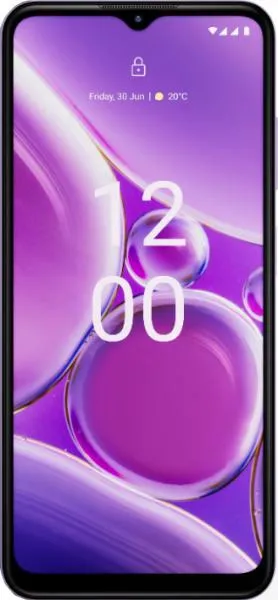
| Dimensions (mm) | 165 x 75.8 x 8.6 | 285.4 x 185.4 x 6.5 | The Nokia G42 is a typical smartphone size, pocketable and easy to handle one-handed. The Samsung is a large tablet, requiring two hands and a bag for transport. |
| Weight (g) | 193.8 | 627 | The Nokia is much lighter and easier to hold for extended periods. The Samsung's weight can be fatiguing. |
| Build Material | Missing | Missing | Build quality and durability cannot be assessed without this information. |
| Display | |||
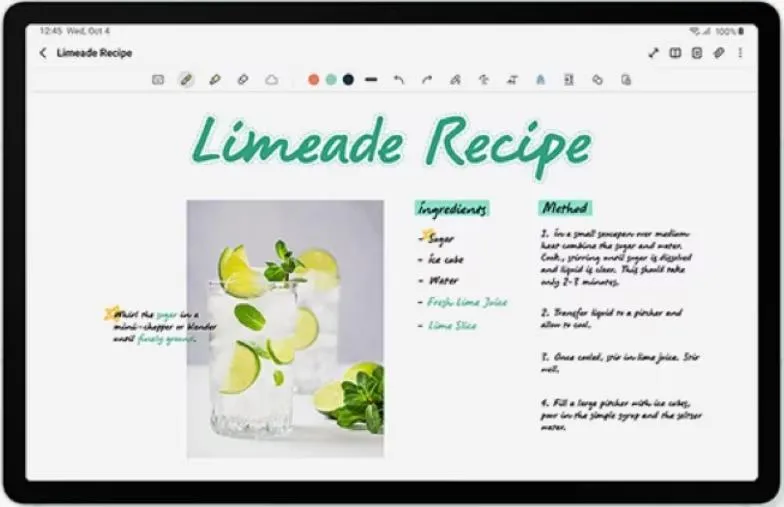
| Size (inches) | 6.56 | 12.4 | The Samsung offers significantly more screen real estate for media consumption, multitasking, and productivity. The Nokia is better for one-handed use. |
| Resolution (px) | 720 x 1612 | 2560 x 1600 | The Samsung has a much sharper display, offering a more detailed and immersive visual experience. The Nokia's lower resolution might appear pixelated to some users. |
| Display Type | IPS LCD, 90Hz | IPS LCD, 90Hz | Both offer smooth scrolling and animations thanks to the 90Hz refresh rate. Color accuracy and outdoor visibility may vary, though specific details on brightness (nits) are missing for a definitive comparison. |
| PPI | 269 | 243 | Despite the lower PPI, the Samsung's higher resolution makes text and images sharper overall. The difference in PPI might be noticeable in direct comparison but unlikely to impact daily usage significantly. |
| Performance | |||
| Chipset | Snapdragon 480+ 5G | Exynos 1380 (5 nm) | The Exynos 1380 in the Samsung is a more powerful chip, enabling smoother performance in demanding tasks and gaming. The Snapdragon 480+ is sufficient for everyday use but may struggle with heavy workloads. |
| CPU | Octa-core (2x2.2 GHz & 6x1.8 GHz) | Octa-core (4x2.4 GHz & 4x2.0 GHz) | The Samsung has faster CPU cores, resulting in snappier app loading and multitasking. |
| GPU | Adreno 619 | Mali-G68 MP5 | The Mali-G68 MP5 in the Samsung provides significantly better graphics performance for gaming and visually intensive applications. |
| RAM | 4GB (listed elsewhere as having 6/8GB options) | 8GB (listed elsewhere as having 12GB option) | More RAM in the Samsung allows for smoother multitasking and less frequent app reloading. The Nokia's 4GB might lead to performance hiccups when running multiple apps simultaneously. More RAM options are available for both phones depending on the specific version. |
| Camera | |||
| Rear Camera | 50MP Main, 2MP Depth, 2MP Macro | 12MP Main, 8MP Wide Angle | While the Nokia boasts a higher megapixel count on the main sensor, megapixels alone don't determine image quality. The Samsung offers a more versatile setup with a wide-angle lens. Practical image quality depends on factors like sensor size, processing, and aperture which are not fully available. |
| Front Camera | 8MP | 8MP | Front cameras have similar resolution. Image quality will depend on factors beyond resolution, which are not fully provided here. |
| Video Recording | 1080p@30fps | 4K@30fps, 1080p@30fps | The Samsung can record videos at a higher resolution (4K), resulting in more detailed footage. |
| Battery | |||
| Capacity (mAh) | 5000 | 10090 | The Samsung has a substantially larger battery, leading to significantly longer battery life, especially important for a tablet with a larger display. |
2. Key Differences Analysis
Nokia G42 Advantages:
- Portability: Significantly smaller and lighter, ideal for one-handed use and carrying in a pocket.
- Affordability: Likely more budget-friendly than the Samsung tablet.
Samsung Galaxy Tab S9 FE+ Advantages:
- Larger Display: Provides a more immersive experience for media consumption, multitasking, and productivity.
- Superior Performance: The Exynos 1380 chipset and higher RAM offer significantly better performance for demanding tasks and gaming.
- Longer Battery Life: The massive 10090mAh battery ensures extended usage without frequent charging.
- Higher Resolution Display: Sharper and more detailed visuals.
- More Versatile Camera: Wide-angle lens offers broader framing options.
- Higher Quality Video Recording: Capable of recording in 4K resolution.
3. User Profiles & Recommendations
Nokia G42: Ideal for users who prioritize portability, affordability, and basic smartphone functionality. Suitable for:
- Casual users primarily using their phone for calling, texting, social media, and light browsing.
- Budget-conscious buyers.
- Users who prefer a smaller, one-handed device.
Samsung Galaxy Tab S9 FE+: Ideal for users who value a large screen for media consumption, productivity, and creative tasks. Suitable for:
- Students for note-taking, research, and reading.
- Professionals for presentations, document editing, and multitasking.
- Artists and designers for drawing and sketching.
- Entertainment enthusiasts for watching movies, playing games, and browsing the web.
4. Decision Framework
Key Questions for Buyers:
- What is your primary use case for the device? (e.g., communication, media consumption, productivity)
- What is your budget?
- How important is portability versus screen size?
Scenario-Based Recommendations:
- Limited budget and prioritize calling/texting: Nokia G42
- Student needing a device for note-taking and research: Samsung Galaxy Tab S9 FE+
- Professional who requires a large screen for presentations and multitasking: Samsung Galaxy Tab S9 FE+
- Casual user who primarily uses social media and watches videos on the go: Consider the Nokia G42 for portability or the Samsung Galaxy Tab S9 FE+ if battery life and screen size are paramount.
My Choice: Samsung Galaxy Tab S9 FE+
While I appreciate the portability and potential affordability of the Nokia G42, the Samsung Galaxy Tab S9 FE+ better suits my needs. I value a large, high-resolution display for media consumption, reading, and occasional creative work. The superior performance of the Exynos 1380 and ample RAM are crucial for smooth multitasking, which is essential for my workflow. The significantly longer battery life is also a major advantage. Although the larger size and higher price are trade-offs, the benefits of the Tab S9 FE+ outweigh them for my use case. The lack of NFC is a minor inconvenience, but not a deal breaker for me.
