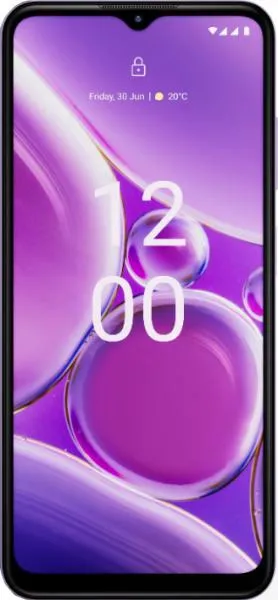
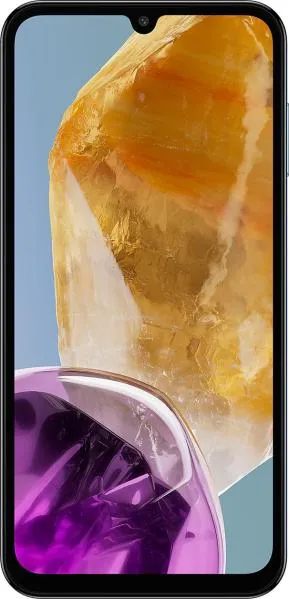
1. Specifications Comparison
| Feature | Nokia G42 | Samsung Galaxy M15 | Practical Impact |
|---|---|---|---|
| Design | |||
| Dimensions (mm) | 165 x 75.8 x 8.6 | 160.1 x 76.8 x 9.3 | M15 slightly shorter and narrower, but thicker. Negligible difference in everyday use. |
| Weight (g) | 193.8 | 217 | G42 noticeably lighter, reducing hand fatigue during extended use. |
| Build | Not specified | Not specified | Build quality and materials unknown, limiting comparison. |
| Display | |||
| Display Type | IPS LCD | Super AMOLED | AMOLED offers richer colors, deeper blacks, and better power efficiency in dark mode. LCD may be brighter in direct sunlight. |
| Display Size (inches) | 6.56 | 6.5 | Negligible difference in screen real estate. |
| Resolution | 720 x 1612 | 1080 x 2340 | M15 significantly sharper display, noticeable when viewing photos, videos, and text. |
| Refresh Rate | 90Hz | 90Hz | Both offer smooth scrolling and animations. |
| Peak Brightness (nits) | 560 (peak) | 800 (HBM) | M15 significantly brighter, improving outdoor visibility. |
| Performance | |||
| Chipset | Snapdragon 480+ 5G | Mediatek Dimensity 6100+ | Dimensity 6100+ offers significantly better CPU and GPU performance, resulting in smoother multitasking, faster app loading, and better gaming capabilities. |
| CPU | Octa-core (2x2.2 GHz Kryo 460 & 6x1.8 GHz Kryo 460) | Octa-core (2x2.2 GHz Cortex-A76 & 6x2.0 GHz Cortex-A55) | Dimensity 6100+'s more modern architecture provides a performance advantage. |
| GPU | Adreno 619 | Mali-G57 MC2 | Mali-G57 MC2 provides better graphics performance for gaming and demanding applications. |
| RAM | 4GB (listed in phoneVersions) | 4GB (listed in phoneVersions) | Same RAM capacity, though real-world performance can be impacted by other factors. |
| Camera | |||
| Main Camera | 50MP | 50MP | Resolution similar, but image quality depends on sensor size, processing, and other factors not fully specified. |
| Selfie Camera | 8MP | 13MP | M15 higher resolution selfie camera for potentially better quality self-portraits. |
| Video Recording | 1080p@30fps | 1080p@30fps with EIS | M15 includes Electronic Image Stabilization (EIS) for smoother video recording. |
| Battery | |||
| Capacity | 5000mAh | 6000mAh | M15 significantly larger battery, likely translating to longer battery life. |
2. Key Differences Analysis
Nokia G42 Advantages:
- Lighter Weight: More comfortable for extended use.
- Potentially Lower Price: Specific prices vary but generally the G42 is slightly cheaper.
Samsung Galaxy M15 Advantages:
- Significantly Better Performance: Smoother multitasking, gaming, and overall user experience.
- Sharper Display: Higher resolution and AMOLED technology provide a more visually appealing experience.
- Brighter Display: Enhanced outdoor visibility.
- Larger Battery: Longer usage time between charges.
- Better Camera Features: EIS for video stabilization, higher resolution selfie camera.
- Dual SIM: Supports two SIM cards simultaneously for greater flexibility.
3. User Profiles & Recommendations
Nokia G42:
- Budget-conscious users: Prioritizing affordability over top-tier performance.
- Basic users: Primarily using phone for calls, texting, and light browsing.
- Users valuing lightness and portability.
Samsung Galaxy M15:
- Users seeking a balance of performance and value.
- Gamers and multimedia consumers: Benefitting from the improved GPU and display.
- Users demanding long battery life.
- Users who require dual SIM functionality.
4. Decision Framework
Key Questions for Buyers:
- What is your budget? The Nokia G42 offers cost savings for budget-conscious buyers.
- What are your primary phone usage patterns? Heavy users will appreciate the M15's performance and battery.
- How important is display quality? The M15 offers a significantly better viewing experience.
My Choice: Samsung Galaxy M15
While the Nokia G42 offers a lighter weight and potential cost savings, the Samsung Galaxy M15 provides a significantly superior overall user experience due to its:
- Superior Performance: The Dimensity 6100+ provides a noticeable improvement in speed and responsiveness for everyday tasks and gaming, making the phone feel more future-proof.
- Better Display: The AMOLED screen with higher resolution and brightness delivers a much more enjoyable viewing experience.
- Longer Battery Life: The 6000mAh battery ensures all-day usage without worry.
The slightly higher price and heavier weight of the M15 are easily justified by these significant advantages. The G42 is a decent budget option, but the M15 provides a more compelling value proposition in the mid-range segment.
