1. Specifications Comparison
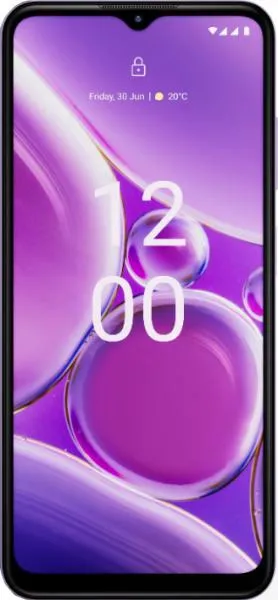
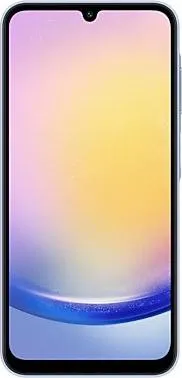
| Feature | Nokia G42 | Samsung Galaxy A25 | Practical Impact |
|---|---|---|---|
| Design | |||
| Dimensions (mm) | 165 x 75.8 x 8.6 | 161 x 76.5 x 8.3 | Galaxy A25 is slightly shorter, narrower, and thinner. Negligible difference in daily use. |
| Weight (g) | 193.8 | 197 | Almost identical weight, minimal difference in hand feel. |
| Build Materials | Not specified | Not specified | Cannot compare build quality and durability without more information. |
| Display | |||
| Display Type | IPS LCD | Super AMOLED | AMOLED offers richer colors, deeper blacks, and better power efficiency in dark mode. LCD might be slightly more visible in direct sunlight. |
| Display Size (inches) | 6.56 | 6.5 | Negligible difference in screen real estate. |
| Resolution | 720 x 1612 | 1080 x 2340 | Galaxy A25 has a significantly sharper display (396 ppi vs 269 ppi), resulting in clearer text and images. |
| Refresh Rate (Hz) | 90 | 120 | Galaxy A25's higher refresh rate provides smoother scrolling and animations, leading to a more responsive feel. |
| Peak Brightness (nits) | 560 (peak) | 1000 (HBM) | Galaxy A25 gets much brighter, making it easier to see outdoors in sunny conditions. |
| Performance | |||
| Chipset | Snapdragon 480+ 5G | Exynos 1280 | Exynos 1280 generally offers better performance in terms of CPU and GPU, leading to faster app loading, smoother multitasking, and better gaming performance. |
| CPU | Octa-core (2x2.2 GHz & 6x1.8 GHz) | Octa-core (2x2.4 GHz & 6x2.0 GHz) | Galaxy A25 has a slightly faster CPU clock speed, potentially offering a slight edge in processing power. |
| GPU | Adreno 619 | Mali-G68 | Mali-G68 generally provides better graphics performance compared to Adreno 619, benefiting gaming and graphically demanding tasks. |
| RAM (GB) | 4/6/8 | 6/8 | More RAM (8GB) options available for both; more RAM allows for smoother multitasking. |
| Camera | |||
| Main Camera (MP) | 50 | 50 | Megapixel count is similar, but image quality depends on sensor size, aperture, and processing, which are not fully specified. |
| Video Recording | 1080p@30fps | 4K@30fps with EIS | Galaxy A25 can record video at a much higher resolution (4K) and features Electronic Image Stabilization (EIS) for smoother footage. |
| Front Camera (MP) | 8 | 13 | Galaxy A25 has a higher resolution front camera for potentially better selfies. |
| Battery | |||
| Capacity (mAh) | 5000 | 5000 | Identical battery capacity; actual battery life depends on usage and optimization. |
2. Key Differences Analysis
Nokia G42 Advantages:
- Potentially Lower Price: Depending on specific configurations and market, the Nokia G42 might be more affordable.
Samsung Galaxy A25 Advantages:
- Significantly Better Display: Higher resolution, AMOLED technology, 120Hz refresh rate contribute to a superior visual experience.
- Superior Performance: More powerful chipset and GPU translate to smoother operation and better gaming.
- Better Camera Capabilities: 4K video recording with EIS and higher resolution front camera.
- Longer Software Support: Samsung generally provides longer software updates compared to Nokia, enhancing security and longevity.
Trade-offs:
- Price: The Galaxy A25 is likely more expensive given its superior specs.
3. User Profiles & Recommendations
Nokia G42: Budget-conscious users who prioritize basic functionality and 5G connectivity. Suitable for casual usage like calling, texting, browsing, and social media.
Samsung Galaxy A25: Users who value a premium display, smooth performance, better camera features, and longer software support. Suitable for gaming, multimedia consumption, and more demanding tasks.
4. Decision Framework
Key Questions for Buyers:
- What is your budget? The G42 is likely more affordable.
- What are your primary use cases? Casual usage vs. demanding tasks/gaming.
- How important is display quality and performance? The A25 significantly outperforms the G42 in these areas.
My Choice: Samsung Galaxy A25
While I lack specific pricing information, the Samsung Galaxy A25 offers a compelling package with a superior display, significantly better performance, and enhanced camera capabilities. The longer software update commitment from Samsung also adds to its value proposition. The smoother 120Hz display, sharper resolution, and brighter AMOLED panel alone offer a substantial upgrade in daily use. The Exynos 1280 provides a notable performance boost for a more responsive experience. While the Nokia G42 might be a viable option for extremely budget-conscious buyers, the Galaxy A25's advantages justify the likely price difference for most users seeking a well-rounded smartphone experience.
