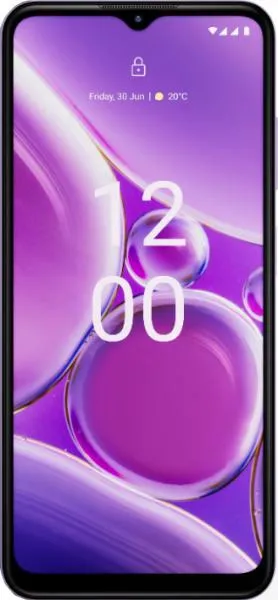
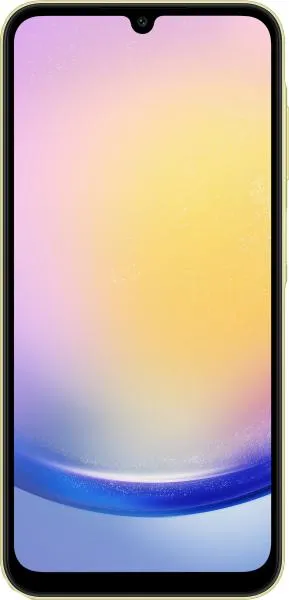
1. Specifications Comparison
| Feature | Nokia G42 | Samsung Galaxy A15 | Practical Impact |
|---|---|---|---|
| Design | |||
| Dimensions (mm) | 165 x 75.8 x 8.6 | 160.1 x 76.8 x 8.4 | Nokia G42 is slightly taller and thinner. Negligible difference in daily use. |
| Weight (g) | 193.8 | 200 | Samsung Galaxy A15 is slightly heavier, but the difference is minimal. |
| Display | |||
| Display Type | IPS LCD | Super AMOLED | AMOLED offers deeper blacks, more vibrant colors, and potentially better power efficiency. LCDs can be brighter in direct sunlight. |
| Display Size (inches) | 6.56 | 6.5 | Negligible difference in screen real estate. |
| Resolution | 720 x 1612 | 1080 x 2340 | Samsung Galaxy A15 has a significantly sharper display, resulting in clearer text and images. |
| Refresh Rate (Hz) | 90 | 90 | Both offer smooth scrolling and animations. |
| Peak Brightness (nits) | 560 (peak) | 800 (HBM) | Samsung Galaxy A15 can get brighter, improving outdoor visibility. |
| Performance | |||
| Chipset | Snapdragon 480+ 5G | Mediatek Helio G99 | Helio G99 generally offers better CPU performance than the Snapdragon 480+. |
| CPU | Octa-core (2x2.2 GHz Kryo 460 & 6x1.8 GHz Kryo 460) | Octa-core (2x2.2 GHz Cortex-A76 & 6x2.0 GHz Cortex-A55) | Both are capable for everyday tasks, but Helio G99 may handle demanding apps and multitasking better. |
| GPU | Adreno 619 | Mali-G57 MC2 | Mali-G57 MC2 generally provides a slight edge in graphics performance. |
| RAM (GB) | 4/6/8 | 4/6/8 | RAM options vary for both; more RAM improves multitasking. |
| Camera | |||
| Main Camera (MP) | 50 | 50 | Comparable main camera resolution. Image quality depends on sensor and processing. |
| Selfie Camera (MP) | 8 | 13 | Samsung Galaxy A15 has a higher resolution selfie camera, potentially capturing more detail. |
| Video Recording | 1080p@30fps | 1080p@30fps | Both record video at the same resolution and frame rate. |
| Battery | |||
| Capacity (mAh) | 5000 | 5000 | Similar battery capacity; actual battery life depends on usage and optimization. |
| OS | Android 13 | Android 14 | Samsung Galaxy A15 ships with a newer Android version and will likely receive more updates. |
2. Key Differences Analysis
Nokia G42 Advantages:
- Potentially lower price: Pricing varies, but the Nokia G42 might be more affordable depending on the configuration.
Samsung Galaxy A15 Advantages:
- Sharper Display: The higher resolution AMOLED display provides a noticeably better visual experience.
- Better Performance: The Helio G99 chipset offers a performance advantage in CPU and potentially GPU tasks.
- Higher Resolution Selfie Camera: The 13MP selfie camera on the A15 captures more detailed self-portraits.
- Newer OS with Longer Update Support: Starting with Android 14 and promising updates up to Android 17, the A15 offers a longer software support lifecycle.
- Dual SIM: The A15 supports dual SIM cards, allowing users to have two phone numbers on one device. This is a significant advantage for international travelers or those who want to separate work and personal lines.
Trade-offs:
- Display Technology: AMOLED offers vibrant colors and deep blacks, but LCD can be more readable in direct sunlight. This is a subjective preference.
3. User Profiles & Recommendations
Nokia G42: Budget-conscious users who prioritize basic functionality and 5G connectivity. Suitable for light usage like calling, texting, web browsing, and social media.
Samsung Galaxy A15: Users who value a better display, improved performance, longer software updates, and a better selfie camera experience. Ideal for multimedia consumption, gaming, and more demanding tasks. Good for users who want dual SIM functionality.
4. Decision Framework
Key Questions for Buyers:
- What is your budget? The Nokia G42 might offer a more affordable entry point.
- How important is display quality? The Samsung Galaxy A15 has a significantly better display.
- What is your typical smartphone usage? The A15 offers better performance for demanding tasks.
My Choice: Samsung Galaxy A15
While pricing can fluctuate, the Samsung Galaxy A15 offers a compelling package with a superior display, better performance, longer software update support, and crucial features like Dual SIM. The sharper resolution and AMOLED technology make a significant difference in daily use, providing a more enjoyable viewing experience. The performance boost offered by the Helio G99 ensures smoother operation for various tasks. While the Nokia G42 provides decent value, the A15's advantages in key areas make it a better overall choice for most users.
