1. Specifications Comparison
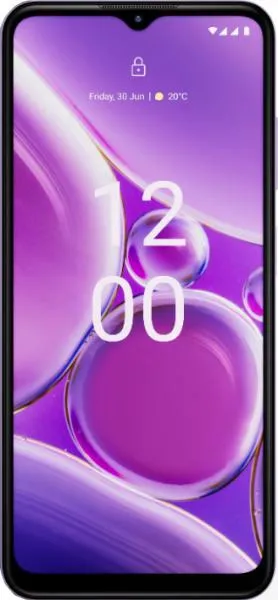
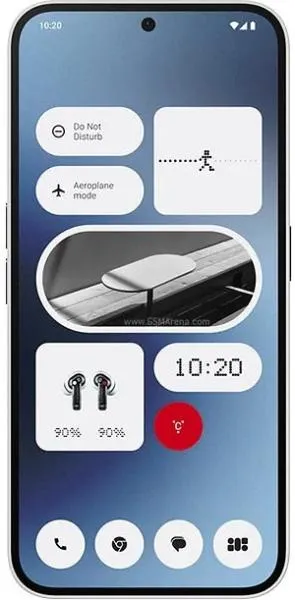
| Feature | Nokia G42 | Nothing Phone (2a) | Practical Impact |
|---|---|---|---|
| Design | |||
| Dimensions (mm) | 165 x 75.8 x 8.6 | 161.7 x 76.3 x 8.6 | Nokia G42 slightly taller, Nothing Phone (2a) slightly wider. Negligible difference in hand feel. |
| Weight (g) | 193.8 | 190 | Virtually identical weight; minimal difference in perceived heft. |
| Build Materials | Not specified | Not specified | Unable to compare build quality and durability. |
| Display | |||
| Display Type | IPS LCD | AMOLED | AMOLED offers deeper blacks, higher contrast, and potentially better power efficiency. |
| Display Size (inches) | 6.56 | 6.7 | Slightly larger screen on the Nothing Phone (2a) offers more immersive content consumption. |
| Resolution | 720 x 1612 | 1080 x 2412 | Significantly sharper and more detailed visuals on the Nothing Phone (2a) due to higher resolution. |
| Refresh Rate (Hz) | 90 | 120 | Smoother animations and scrolling on the Nothing Phone (2a) thanks to the higher refresh rate. |
| Peak Brightness (nits) | 560 | 1300 | Nothing Phone (2a) offers far superior outdoor visibility and HDR performance with much higher peak brightness. |
| Color Depth | Not specified | 1B | Nothing Phone (2a)'s 1 billion colors provide smoother color gradients and more realistic image reproduction. |
| Performance | |||
| Chipset | Snapdragon 480+ 5G (8 nm) | Dimensity 7200 Pro (4 nm) | Dimensity 7200 Pro offers significantly better performance in demanding tasks like gaming and multitasking. |
| CPU | Octa-core (2x2.2 GHz Kryo 460 & 6x1.8 GHz Kryo 460) | Octa-core (2x2.8 GHz Cortex-A715 & 6x 2.0 Cortex-A510) | Faster CPU cores in the Nothing Phone (2a) translate to snappier app launches and overall responsiveness. |
| GPU | Adreno 619 | Mali-G610 MC4 | Mali-G610 MC4 provides a noticeable improvement in graphics performance for gaming. |
| RAM | 4GB/6GB/8GB | 8GB/12GB | More RAM in the Nothing Phone (2a), particularly the 12GB option, allows for better multitasking and smoother performance with numerous apps open. |
| Camera | |||
| Main Camera | 50MP | 50MP (Samsung GN9) | While both have 50MP sensors, the Nothing Phone (2a) utilizes a higher-quality Samsung GN9 sensor with larger pixel size and pixel binning, potentially resulting in better low-light performance and dynamic range. |
| Ultrawide | Not specified | 50MP (Samsung S5KJN1) | Nothing Phone (2a) offers a dedicated ultrawide lens for capturing wider scenes. |
| Video Recording | 1080p@30fps | 4K@30fps with EIS | Nothing Phone (2a) can record significantly higher resolution video with electronic image stabilization. |
| Battery | |||
| Capacity (mAh) | 5000 | 5000 | Identical battery capacity suggests similar battery life, but real-world usage will depend on software optimization and hardware efficiency. |
2. Key Differences Analysis
Nokia G42 Advantages:
- Potentially lower price.
- Replaceable parts for easy self-repair. (Assuming, as this is a feature Nokia often promotes, but not explicitly stated in the provided data)
Nothing Phone (2a) Advantages:
- Significantly better display: AMOLED with higher resolution, refresh rate, and brightness.
- Much more powerful processor and GPU: Smoother performance and better gaming.
- Superior camera system: High-quality sensors, ultrawide lens, 4K video recording with EIS.
- More RAM: Enhanced multitasking capabilities.
- Newer OS with longer update support.
3. User Profiles & Recommendations
Nokia G42: Budget-conscious users prioritizing basic functionality and long battery life. Suitable for calling, texting, web browsing, and light social media usage.
Nothing Phone (2a): Users seeking a well-rounded smartphone experience with a premium display, strong performance, and a capable camera system. Ideal for mobile gaming, content consumption, photography, and demanding multitasking.
4. Decision Framework
Key Questions for Buyers:
- What is your budget? The Nokia G42 is likely more affordable.
- What are your primary smartphone usage patterns? Basic communication vs. demanding tasks like gaming and photography.
- How important is display quality and performance? The Nothing Phone (2a) excels in these areas.
My Choice: Nothing Phone (2a)
While the Nokia G42 might offer a lower price point and potentially easier repairability, the Nothing Phone (2a) offers a significantly better overall user experience. The superior display, powerful performance, capable camera system, and longer software support make it a more compelling choice for the majority of users. The price difference is justified by the substantial upgrades in key areas. While not specified, if repairability is a major concern, the Nokia G42 could be a viable option if budget constraints are stringent. However, for a balanced package of features and future-proofing, the Nothing Phone (2a) is the clear winner.
