1. Specifications Comparison
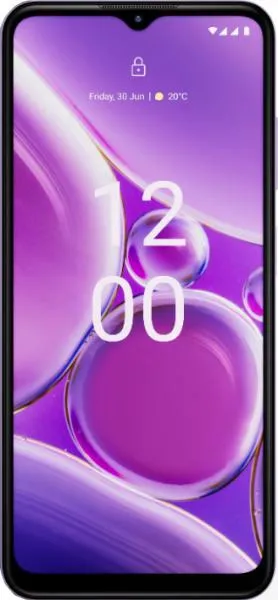
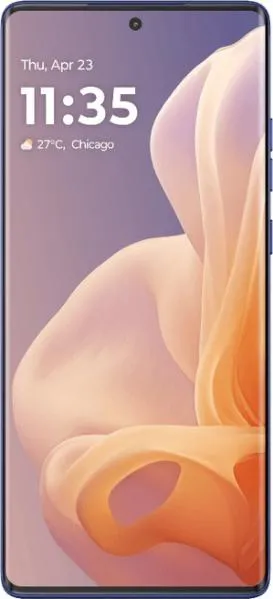
| Feature | Nokia G42 | Motorola Moto G85 | Practical Impact |
|---|---|---|---|
| Design | |||
| Dimensions (mm) | 165 x 75.8 x 8.6 | 161.9 x 73.1 x 7.6 | Moto G85 is slightly shorter, narrower, and thinner, making it potentially more pocketable. |
| Weight (g) | 193.8 | 171 | Moto G85 is noticeably lighter, improving one-handed use and reducing fatigue. |
| Build Material | Not specified | Not specified | Cannot compare build quality and durability without this information. |
| Display | |||
| Display Type | IPS LCD | P-OLED | P-OLED offers deeper blacks, higher contrast, and potentially better power efficiency. |
| Display Size (inches) | 6.56 | 6.67 | Moto G85 has a slightly larger screen, providing a more immersive viewing experience. |
| Resolution | 720 x 1612 | 1080 x 2400 | Moto G85 boasts significantly higher resolution, resulting in sharper text and images. |
| Refresh Rate (Hz) | 90 | 120 | Moto G85's higher refresh rate delivers smoother scrolling and animations. |
| Peak Brightness (nits) | 560 (peak) | 1600 (peak) | Moto G85 is much brighter, ensuring better visibility outdoors. |
| Performance | |||
| Chipset | Snapdragon 480+ 5G | Snapdragon 6s Gen 3 | Snapdragon 6s Gen 3 offers significantly better CPU and potentially GPU performance, leading to faster app loading, smoother multitasking, and better gaming capabilities. |
| CPU | Octa-core (2x2.2 GHz Kryo 460 & 6x1.8 GHz Kryo 460) | Octa-core (2x2.3 GHz Cortex-A78 & 6x2.0 GHz Cortex-A55) | Moto G85's CPU architecture is more modern and powerful. |
| GPU | Adreno 619 | Adreno 619 | Although both use the same GPU, the Snapdragon 6s Gen 3 may offer slightly better performance due to architectural improvements. |
| RAM | 4/6/8 GB | 8/12 GB | Moto G85 offers more RAM in its configurations, enhancing multitasking capabilities. |
| Camera | |||
| Main Camera | 50 MP | 50 MP | Similar resolution, but Moto G85 has a wider aperture (f/1.79 vs f/1.8) potentially allowing for better low-light performance. Moto G85 also has OIS for sharper images and videos. |
| Selfie Camera | 8 MP | 32 MP | Moto G85 has a much higher resolution selfie camera. |
| Video Recording | 1080p@30fps | 1080p@30/60fps | Moto G85 offers 60fps recording for smoother video. |
| Battery | |||
| Capacity (mAh) | 5000 | 5000 | Similar battery capacity, but real-world battery life will depend on factors like software optimization and display power consumption. |
2. Key Differences Analysis
Motorola Moto G85 Advantages:
- Superior Display: P-OLED with higher resolution, refresh rate, and peak brightness provides a vastly improved visual experience.
- Significantly Better Performance: Snapdragon 6s Gen 3 and more RAM deliver smoother multitasking, faster app loading, and improved gaming.
- Enhanced Camera Features: Higher resolution selfie camera, wider aperture on the main camera, OIS, and 60fps video recording.
- More Ergonomic Design: Lighter and slightly smaller.
Nokia G42 Advantages:
- Potentially Lower Price: Depending on specific configurations, the Nokia G42 may be more affordable.
3. User Profiles & Recommendations
Nokia G42: Budget-conscious users who prioritize basic functionality and 5G connectivity. Suitable for:
- Casual web browsing
- Social media
- Light gaming
Motorola Moto G85: Users seeking a well-rounded experience with a great display, smooth performance, and capable cameras. Suitable for:
- Mobile gaming
- Content consumption (video streaming, photo editing)
- Users who value a premium feel
4. Decision Framework
Key Questions for Buyers:
- What is your budget? The Nokia G42 likely offers a lower price point.
- What are your primary smartphone usage patterns? The Moto G85 is better suited for demanding tasks.
- How important is display quality? The Moto G85's OLED display is a significant advantage.
My Choice: Motorola Moto G85
While the Nokia G42 offers a more budget-friendly option, the Motorola Moto G85 provides a significantly better overall experience due to its superior display, performance, and camera features. The lighter and more compact design is also a plus. The price difference is likely worth the investment for the noticeable improvements in daily usability and long-term satisfaction. The improved performance, brighter display, and better camera system of the Moto G85 outweigh the potential price difference for me. While I don't know the exact price delta, the Moto G85 offers a tangible upgrade in almost every aspect of the user experience.
