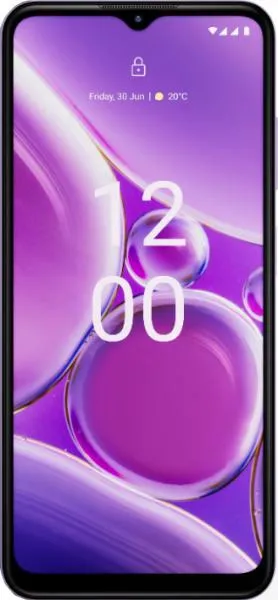
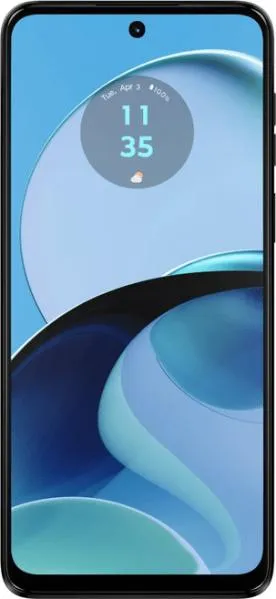
1. Specifications Comparison
| Feature | Nokia G42 | Motorola Moto G14 | Practical Impact |
|---|---|---|---|
| Design | |||
| Dimensions (mm) | 165 x 75.8 x 8.6 | 161.5 x 73.8 x 8 | Moto G14 is slightly smaller and thinner, potentially more pocketable. |
| Weight (g) | 193.8 | 177 | Moto G14 is noticeably lighter, improving one-handed use. |
| Build Material | Missing | Missing | Cannot compare build quality and durability. |
| Display | |||
| Display Size (inches) | 6.56 | 6.5 | Negligible size difference. |
| Resolution | 720 x 1612 | 1080 x 2400 | Moto G14 has a significantly sharper display, resulting in clearer text and images. |
| Display Type | IPS LCD | IPS LCD | Both use IPS LCD technology, offering good viewing angles but potentially lacking vibrant colors compared to AMOLED. |
| Refresh Rate | 90Hz | Unspecified | Nokia G42's 90Hz refresh rate provides smoother scrolling and animations. Moto G14's refresh rate is unknown, making direct comparison impossible. |
| Performance | |||
| Chipset | Snapdragon 480+ 5G | Unisoc Tiger T616 | Snapdragon 480+ generally offers better performance and 5G connectivity, although real-world differences may vary. |
| CPU | Octa-core (2x2.2 GHz & 6x1.8 GHz) | Octa-core (2x2.0 GHz & 6x1.8 GHz) | Slight CPU differences; real-world performance depends on optimization and RAM. |
| GPU | Adreno 619 | Mali-G57 MP1 | Adreno 619 generally provides better gaming performance compared to Mali-G57 MP1. |
| RAM | 4GB/6GB/8GB | 4GB/8GB | Both offer various RAM options, impacting multitasking capabilities. Higher RAM offers smoother performance with multiple apps. |
| Camera | |||
| Main Camera | 50MP | 50MP | Similar megapixel count, but image quality depends on sensor size, aperture, and processing. |
| Secondary Cameras | 2MP Depth, 2MP Macro | 2MP Macro | Both have a macro lens; Nokia G42 adds a depth sensor for portrait mode. Practical benefit of depth sensors varies. |
| Video Recording | 1080p@30fps | 1080p@30fps | Both offer basic video recording capabilities. Moto G14 lists 120fps slow-motion which is a significant advantage, but resolution at this frame rate is unconfirmed. |
| Battery | |||
| Capacity | 5000mAh | 5000mAh | Similar battery capacity, suggesting comparable battery life. Actual usage will vary based on software and usage patterns. |
2. Key Differences Analysis
Nokia G42 Advantages:
- 5G Connectivity: Future-proofs the device.
- 90Hz Refresh Rate: Smoother user experience.
- Potentially Better Performance: Snapdragon chipset generally performs better in benchmarks, but real-world use may vary.
Motorola Moto G14 Advantages:
- Sharper Display: Higher resolution for clearer content.
- Lighter and More Compact: Easier to handle and carry.
- Lower Price: Offers good value for its specifications.
- Dual SIM: Supports two SIM cards simultaneously for greater flexibility.
- Potentially Better Slow Motion: While specifics are missing, 120fps slow-motion is listed as a feature.
Trade-offs:
- Nokia G42: Higher price for 5G and potentially better performance.
- Moto G14: Lower resolution display and potentially less powerful processor.
3. User Profiles & Recommendations
Nokia G42: Users who prioritize 5G connectivity, smoother performance, and future-proofing. Suitable for moderate gaming, multitasking, and media consumption.
Motorola Moto G14: Budget-conscious users who prioritize a sharp display and comfortable handling. Ideal for everyday tasks, social media, and light gaming.
4. Decision Framework
Key Questions for Buyers:
- Is 5G connectivity essential? If yes, the Nokia G42 is the clear choice.
- What is your budget? The Moto G14 offers excellent value for its price.
- Which aspects of user experience matter most? Prioritize smoother performance (Nokia G42) or sharper display and portability (Moto G14).
Scenario-Based Recommendations:
- Limited Budget: Moto G14
- Future-Proofing: Nokia G42
- Gaming Focus: Nokia G42 (due to generally superior GPU)
- Basic Use & Media Consumption: Moto G14 (due to higher resolution display)
My Choice: Motorola Moto G14
Reasoning:
While the Nokia G42 offers 5G and potentially better performance, the Moto G14 provides a superior display experience with its 1080p resolution for a noticeably lower price. The lighter weight and smaller form factor also enhance daily usability. For my personal needs, which prioritize media consumption and everyday tasks, the Moto G14's sharper screen and affordability outweigh the benefits of 5G and a slightly faster processor. The lack of specific refresh rate information for the Moto G14 makes this a slightly less clear-cut decision, but the price difference and immediate benefit of the higher resolution screen make it the more compelling choice for me.
