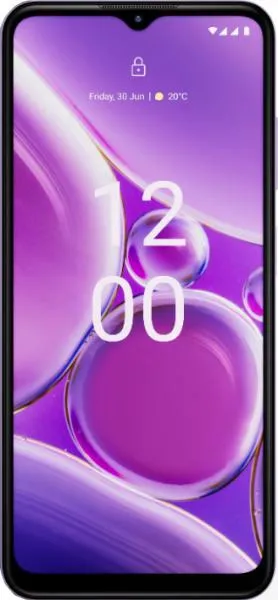
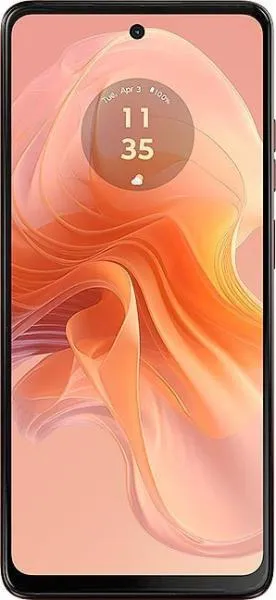
1. Specifications Comparison
| Feature | Nokia G42 | Motorola Moto G04s | Practical Impact |
|---|---|---|---|
| Design | |||
| Dimensions (mm) | 165 x 75.8 x 8.6 | 163.5 x 74.5 x 8 | Moto G04s is slightly smaller and thinner. |
| Weight (g) | 193.8 | 178.8 | Moto G04s is noticeably lighter, improving one-handed use. |
| Build Materials | Not specified | Not specified | Cannot compare build quality and durability. |
| Display | |||
| Size (inches) | 6.56 | 6.56 | Identical screen sizes. |
| Resolution | 720 x 1612 | 720 x 1612 | Identical resolutions, resulting in similar sharpness. |
| Refresh Rate | 90Hz | 90Hz | Both offer smooth scrolling and animations. |
| Display Type | IPS LCD | IPS LCD | Similar color accuracy and viewing angles expected. |
| Peak Brightness | Not specified for both | Not specified for both | Outdoor visibility comparison not possible. |
| Performance | |||
| Chipset | Snapdragon 480+ 5G | Unisoc T606 | Snapdragon 480+ generally offers better performance and 5G connectivity. |
| CPU | Octa-core (2x2.2 GHz & 6x1.8 GHz) | Octa-core (2x1.6 GHz & 6x1.6 GHz) | Nokia G42 likely has a performance advantage due to higher clock speeds on performance cores. |
| GPU | Adreno 619 | Mali-G57 MP1 | Adreno 619 generally provides better gaming performance. |
| RAM | 4/6/8GB | 4GB | Nokia G42 offers configurations with higher RAM, enabling better multitasking. |
| Storage | 128/256GB | 64/128/256GB | Both offer ample storage options. |
| Camera | |||
| Rear Camera | 50MP Main + 2MP Depth + 2MP Macro | 50MP Main | Nokia G42 has dedicated depth and macro sensors, but practical image quality comparison requires real-world testing. Moto G04s claims OIS, a significant advantage for stable videos and low-light photos. |
| Front Camera | 8MP | 5MP | Nokia G42 has a higher resolution front camera. |
| Video Recording | 1080p@30fps | 1080p@30fps | Both offer basic video recording capabilities, but Moto G04s boasts 120fps slow-motion, a significant advantage. |
| Battery | |||
| Capacity | 5000 mAh | 5000 mAh | Identical battery capacities suggest similar battery life, but real-world usage may vary. |
| Charging Speed | Not specified for both | Not specified for both | Charging speed comparison not possible. |
| Other | |||
| OS | Android 13 | Android 14 | Moto G04s ships with a newer Android version, offering potential software features and longer support. |
| NFC | Yes | Yes | Both support contactless payments. |
| 5G | Yes | No | Nokia G42 offers 5G connectivity for faster data speeds. |
2. Key Differences Analysis
Nokia G42 Advantages:
- Performance: Likely faster CPU and GPU due to the Snapdragon 480+.
- Connectivity: Offers 5G for future-proofing.
- RAM Options: Availability of higher RAM configurations for smoother multitasking.
- Dedicated Camera Sensors: Offers dedicated depth and macro sensors.
Motorola Moto G04s Advantages:
- Lighter and More Compact: Easier to handle and carry.
- Newer Android Version: Android 14 may offer new features and longer software updates.
- OIS: Optical Image Stabilization for significantly improved video and low-light photography.
- 120fps Slow Motion: Offers higher frame rate slow-motion video capture.
- Potentially Lower Price: Based on listed prices, the Moto G04s seems to be more affordable.
3. User Profiles & Recommendations
Nokia G42: Users who prioritize performance, 5G connectivity, and future-proofing. Suitable for moderate gaming, multitasking, and areas with 5G coverage.
Motorola Moto G04s: Users who prioritize a lightweight and compact phone, latest software, and good camera features, especially video recording with OIS and slow motion. Budget-conscious buyers will also find it attractive. Suitable for everyday use, social media, and casual photography/videography.
4. Decision Framework
Key Questions for Buyers:
- Is 5G connectivity crucial? If yes, the Nokia G42 is the only option.
- Which is more important: Performance or camera features like OIS and slow-motion video? G42 for performance; Moto G04s for camera.
- What is your budget? Moto G04s offers a more affordable entry point.
My Choice: Motorola Moto G04s
While the Nokia G42 might offer slightly better raw performance, the Moto G04s provides a more well-rounded package for my needs. The lighter weight, newer Android version (with potential for longer updates), and especially the inclusion of OIS make it a more compelling choice. OIS dramatically improves video stability and low-light photography, features I value more than a slight performance bump. The 120fps slow-motion is a welcome addition. Finally, the potential price difference further solidifies the Moto G04s as the better value proposition for me. While 5G is a nice feature, it's not essential in my current location and usage scenario. The slightly lower resolution front-facing camera is a minor trade-off considering the overall package.
