1. Specifications Comparison
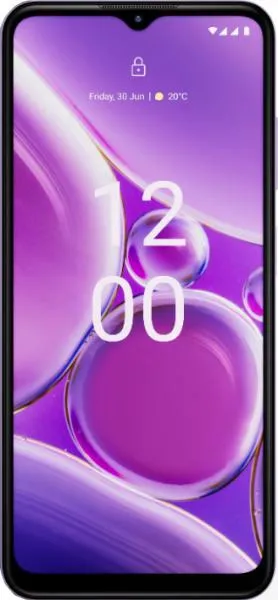
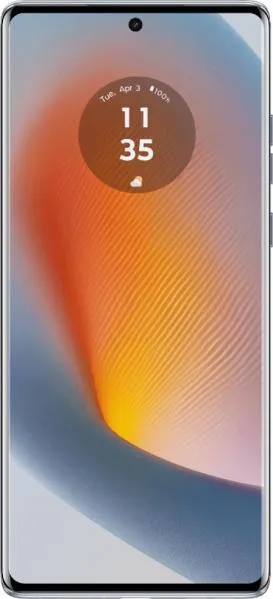
| Feature | Nokia G42 | Motorola Edge 50 Fusion | Practical Impact |
|---|---|---|---|
| Design | |||
| Dimensions (mm) | 165 x 75.8 x 8.6 | 161.9 x 73.1 x 7.9 | Edge 50 Fusion is slightly smaller and thinner. |
| Weight (g) | 193.8 | 174.9 | Edge 50 Fusion is noticeably lighter, improving one-handed use. |
| Build Material | Not specified | Not specified | Cannot compare build quality and durability. |
| Display | |||
| Display Type | IPS LCD | P-OLED | Edge 50 Fusion's P-OLED offers deeper blacks, higher contrast, and potentially better power efficiency. |
| Display Size (inches) | 6.56 | 6.7 | Negligible difference in screen real estate. |
| Resolution | 720 x 1612 | 1080 x 2400 | Edge 50 Fusion has a significantly sharper display, resulting in clearer text and images. |
| Refresh Rate (Hz) | 90 | 120/144 (Region Dependent) | Edge 50 Fusion offers smoother scrolling and animations thanks to its higher refresh rate. |
| Peak Brightness (nits) | 560 (peak) | 1600 (peak) | Edge 50 Fusion should be much more readable in direct sunlight. |
| Performance | |||
| Chipset | Snapdragon 480+ 5G | Snapdragon 7s Gen 2 | Edge 50 Fusion boasts a significantly more powerful processor, enabling smoother multitasking and better gaming performance. |
| CPU | Octa-core (2x2.2 GHz & 6x1.8 GHz) | Octa-core (4x2.4 GHz & 4x1.95 GHz) | Edge 50 Fusion's CPU architecture and clock speeds deliver a significant performance advantage. |
| GPU | Adreno 619 | Adreno 710 | Edge 50 Fusion's GPU is considerably more powerful, benefiting graphically demanding games and apps. |
| RAM (GB) | 4/6/8 | 8/12 | Edge 50 Fusion offers more RAM, improving multitasking and app loading times. |
| Camera | |||
| Main Camera (MP) | 50 | 50 | Megapixel count is similar, but sensor and image processing likely differ. |
| Additional Cameras | 2MP Depth, 2MP Macro | 13MP Wide Angle + Macro | Edge 50 Fusion offers a more versatile camera setup with a usable ultrawide lens. |
| Video Recording | 1080p@30fps | Up to 4K@30fps | Edge 50 Fusion supports higher resolution video recording. |
| Battery | |||
| Capacity (mAh) | 5000 | 5000 | Similar battery capacity. Real-world battery life will depend on usage and optimization. |
2. Key Differences Analysis
Motorola Edge 50 Fusion Advantages:
- Significantly better performance: The Snapdragon 7s Gen 2 and higher RAM offer a vastly improved user experience for demanding tasks and gaming.
- Superior display: The P-OLED panel with higher resolution, refresh rate, and peak brightness provides a more vibrant and enjoyable viewing experience.
- More versatile camera system: The inclusion of an ultrawide lens adds practical value for capturing landscapes and group photos.
- Faster charging: While not specified for either phone, newer chipsets generally support faster charging technologies. This is likely the case for the Edge 50 Fusion.
Nokia G42 Advantages:
- Potentially lower price: While exact pricing varies, the G42 generally occupies a lower price bracket.
- Repair Focus: The Nokia G42 is marketed with repairability in mind. This could translate to lower repair costs and longer lifespan.
3. User Profiles & Recommendations
Nokia G42: Budget-conscious users who prioritize basic functionality (calling, texting, web browsing) and simple apps. Users who value repairability and longevity.
Motorola Edge 50 Fusion: Users who demand smooth performance for demanding games, multitasking, and media consumption. Photographers and videographers will appreciate the superior camera system and higher resolution video recording capabilities.
4. Decision Framework
Key Questions for Buyers:
- What is your budget? The G42 is likely more affordable.
- What are your primary smartphone uses? Basic tasks vs. demanding apps and gaming.
- How important is display quality and camera versatility? The Edge 50 Fusion excels in these areas.
My Choice: Motorola Edge 50 Fusion
While the Nokia G42 might be a compelling option for budget-conscious users seeking a basic smartphone experience, the Motorola Edge 50 Fusion offers a significantly more compelling overall package. The superior performance, display, and camera system justify the likely price difference for most users. The higher refresh rate and resolution create a noticeably better user experience, and the improved camera system provides greater flexibility for capturing memories. While repairability is a valid concern, the significant performance and feature advantages of the Edge 50 Fusion outweigh the potential benefits of the G42 for me.
