1. Specifications Comparison
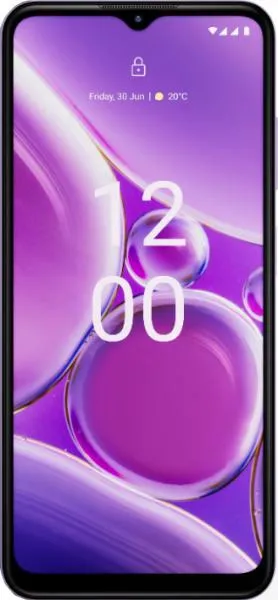
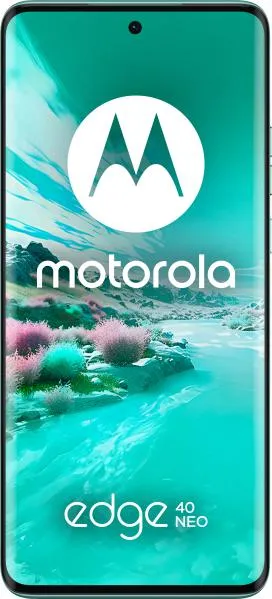
| Feature | Nokia G42 | Motorola Edge 40 Neo | Practical Impact |
|---|---|---|---|
| Design | |||
| Dimensions (mm) | 165 x 75.8 x 8.6 | 159.6 x 72 x 7.9 | Edge 40 Neo is noticeably smaller and thinner, making it more pocketable and comfortable for one-handed use. |
| Weight (g) | 193.8 | 170 | Edge 40 Neo is significantly lighter, reducing hand fatigue during extended use. |
| Display | |||
| Display Type | IPS LCD, 90Hz | P-OLED, 144Hz | Edge 40 Neo offers deeper blacks, more vibrant colors, and smoother scrolling due to the P-OLED technology and higher refresh rate. |
| Resolution | 720 x 1612 | 1080 x 2400 | Edge 40 Neo has a much sharper and more detailed display, enhancing media consumption and overall visual clarity. |
| Peak Brightness (nits) | 560 (peak) | 1300 (peak) | Edge 40 Neo offers superior outdoor visibility in bright sunlight. Nokia's typical brightness is not specified, limiting comparison. |
| Performance | |||
| Chipset | Snapdragon 480+ 5G (8nm) | Dimensity 7030 (6nm) | Edge 40 Neo boasts a more powerful and efficient processor, resulting in smoother multitasking, faster app loading, and better gaming performance. |
| CPU | Octa-core (2x2.2 GHz...) | Octa-core (2x2.5 GHz...) | Edge 40 Neo has a faster CPU, contributing to its overall performance advantage. |
| RAM | 4/6/8GB | 12GB | Edge 40 Neo offers significantly more RAM, enabling smoother multitasking and handling of demanding applications. |
| Camera | |||
| Rear Camera | 50MP + 2MP + 2MP | 50MP + 13MP | Edge 40 Neo features OIS for stabilized photos and videos, resulting in clearer images and smoother footage. It also has a wider secondary lens. |
| Selfie Camera | 8MP | 32MP | Edge 40 Neo offers a much higher resolution selfie camera, capturing more detailed self-portraits. |
| Video Recording | 1080p@30fps | 4K@30fps, 1080p@240fps | Edge 40 Neo supports higher resolution video recording and slow-motion capture. |
| Battery | |||
| Capacity | 5000 mAh | 5000 mAh | Both phones have the same battery capacity. Real-world battery life will depend on usage and software optimization. |
2. Key Differences Analysis
Nokia G42 Advantages:
- Potentially Lower Price: While exact prices vary, the Nokia G42 generally sits at a lower price point within the "medium price" range compared to the Edge 40 Neo.
- Repair Focus: Nokia emphasizes repairability, potentially making it easier and cheaper to fix.
Motorola Edge 40 Neo Advantages:
- Superior Display: The P-OLED display with a 144Hz refresh rate provides a significantly better visual experience.
- Significantly Better Performance: The more powerful processor, GPU, and larger RAM contribute to a smoother and faster user experience.
- Enhanced Camera System: OIS, higher resolution sensors, and 4K video recording capabilities make the Edge 40 Neo's camera system more versatile.
- More Modern Design: The Edge 40 Neo is lighter, thinner, and more compact.
3. User Profiles & Recommendations
Nokia G42: Budget-conscious users who prioritize basic functionality, long battery life, and repairability over high-end features. Suitable for:
- Calling, texting, and web browsing
- Light social media usage
Motorola Edge 40 Neo: Users who value a premium display, smooth performance, a capable camera system, and a modern design. Suitable for:
- Mobile gaming
- Media consumption (videos, photos)
- Demanding applications
- Users who appreciate a responsive and visually appealing interface
4. Decision Framework
Key Questions for Buyers:
- What is your budget? The Nokia G42 offers better value for a lower price.
- What are your primary smartphone usage patterns? For basic tasks, the G42 suffices. For demanding tasks, the Edge 40 Neo is necessary.
- How important are display quality and performance? The Edge 40 Neo excels in these areas.
My Choice: Motorola Edge 40 Neo
While the Nokia G42 offers repairability and potential cost savings, the Motorola Edge 40 Neo provides a significantly superior overall user experience. The vastly improved display, powerful performance, enhanced camera, and more modern design make it the clear winner for me. I prioritize a smooth and enjoyable user experience, and the Edge 40 Neo delivers on that front. The higher refresh rate, sharper resolution, and vibrant colors of the P-OLED display are crucial for media consumption and general usage. The powerful processor ensures smooth multitasking and handles demanding applications with ease. While price is a factor, the noticeable difference in features and performance justifies the higher cost of the Edge 40 Neo for my needs.
